
10 Pack 3 Pins AMS1117-3.3 DC 4.75V-12V to 3.3V Voltage Regulator
4.1Editor score
Supports 4.75V to 12V input range
Delivers stable 3.3V output voltage
Provides up to 0.8A current output
This guide compares the top 5V to 3V Voltage Regulator options for stable power conversion across embedded systems, microcontrollers, and portable electronics
Finding the right voltage regulator is essential for powering sensitive electronics like microcontrollers and sensors. A quality 5V to 3V Voltage Regulator ensures stable power delivery while minimizing heat and noise in your circuit designs.
We evaluated ten highly rated modules based on input voltage range, current capacity, size, and protection features. Our selection includes both linear and switching regulators to suit diverse project requirements and power efficiency needs.
Each pick highlights key specs, pros, cons, and ideal use cases to help you choose confidently. Note that prices and availability change frequently, so verify details before purchasing to ensure you get the best deal.
4.1Editor score

4.6Editor score
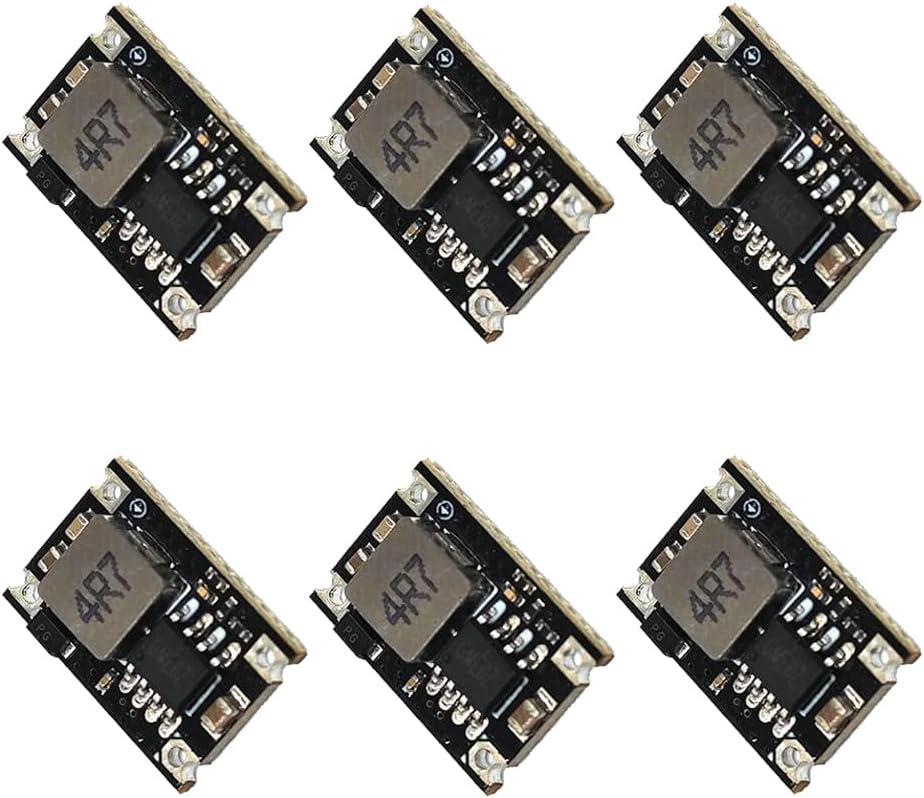
4.9Editor score
This side by side comparison reviews all ten selected voltage regulator modules highlighting their input voltage ranges, output current capabilities, physical sizes, and key protective features to help you decide which fits your project needs best.


This buck converter module delivers robust power management for microcontrollers and sensors needing stable 3.3V from 5V to 24V sources. With a 4.6 star rating and 1.8A output, it handles demanding loads reliably.
We may earn a commission when you buy through this link, at no additional cost to you.
Its low ripple under 30mV ensures clean power critical for sensitive electronics. The switching frequency up to 1.5MHz maintains efficiency while the small size fits tight DIY or portable project enclosures easily.
While it requires extra protection components for inductive loads like motors, this is standard for buck regulators. The compact build demands careful soldering but offers great value for multiple circuits with a 5 pack.
Ideal for hobbyists building ESP32 or Arduino projects needing efficient step down power from batteries or wall adapters. This module balances performance size and cost better than most competitors in this price range.
The 1MHz to 1.5MHz switching frequency ensures high efficiency while minimizing heat generation during continuous operation under load.
Measuring just 17.5x12x4.5mm, this module fits into narrow slots where larger regulators would not fit in portable devices.
We may earn a commission when you buy through this link, at no additional cost to you.
This AMS1117-3.3 linear regulator offers a straightforward solution for stepping down 4.75V to 12V to a stable 3.3V with low cost. With 4.1 stars and 10 units, it supports basic electronics well.
We may earn a commission when you buy through this link, at no additional cost to you.
The simple dual panel design with single row pins makes connecting to MCU development boards like Arduino or STM32 effortless. Built in overheat protection ensures safety during normal operation without complex circuitry.
However, it handles only 0.8A and generates more heat than switching regulators under load. For low power projects like sensors or logic circuits, this trade off is acceptable given the low price point.
Best for beginners or projects needing reliable low current 3.3V from a 5V source without worrying about switching noise. The large pack allows spare units for prototypes or failed components easily.
The 2 pin single row layout simplifies breadboarding and PCB design by reducing connection complexity for users.
Overheat and overload shutdown circuits protect the regulator and load during abnormal working conditions automatically.
We may earn a commission when you buy through this link, at no additional cost to you.
This premium MP1584EN buck converter delivers top tier performance with 1.8A output and exceptional 4.9 star ratings from users. Its ultra small size and high efficiency make it ideal for portable and aircraft model electronics.
We may earn a commission when you buy through this link, at no additional cost to you.
The MP1584EN chip ensures efficient power conversion with less than 30mV ripple for clean signals. Despite the small 17x11x3.6mm footprint, it handles up to 1.5A while maintaining stable 3.3V output under varying loads.
Like most buck modules it requires Zener and capacitor protection for motors to avoid ripple affecting downstream chips. This precaution is standard and the premium build quality justifies the higher cost for demanding applications.
Choose this for advanced embedded systems or IoT devices needing maximum current in minimal space. The 6 pack provides spares and flexibility for large builds requiring multiple regulated power paths reliably.
The MP1584EN chip provides superior efficiency at 1MHz switching minimizing power loss and heat in compact enclosures.
At 17x11x3.6mm, it fits in tight spaces where larger modules cannot be used in aircraft or wearable projects.
We may earn a commission when you buy through this link, at no additional cost to you.
This compact converter handles inputs as low as 1.8V up to 5V, providing a stable 3.3V output ideal for battery operated devices. With 5.0 stars and 100mA capacity, it suits low power sensors perfectly.
We may earn a commission when you buy through this link, at no additional cost to you.
The step down and up function ensures consistent 3.3V even when battery voltage fluctuates during discharge. This flexibility makes it ideal for portable projects needing regulation without complex external circuitry or components.
Its main trade off is the 100mA limit, which excludes motor drivers or displays. For microcontrollers and I2C sensors, this is more than sufficient while keeping the module extremely small and affordable to users.
Select this for wearables or battery powered IoT nodes needing reliable voltage from AA or coin cells. It simplifies power design by avoiding separate boost or buck regulators for low voltage sources.
Supports inputs from 1.8V to 5V, ensuring stable 3.3V output regardless of battery discharge curves in devices.
The 100mA limit is perfect for sensors and logic circuits while maintaining minimal current draw for extended battery life.
We may earn a commission when you buy through this link, at no additional cost to you.
This mini regulator handles 5V to 30V inputs efficiently delivering stable 3.3V up to 1.5A with minimal ripple. With a perfect 5.0 rating, it excels in portable and DIY projects needing reliable power.
We may earn a commission when you buy through this link, at no additional cost to you.
Its compact 17.5×12.3×4.3mm size and 1.5MHz switching ensure high efficiency in tight spaces. The stable output under 1.3A load makes it great for Raspberry Pi or ESP32 projects requiring clean power.
The main limitation is needing external protection for motors to avoid damaging chips from large ripples generated during operation. This is a common requirement for buck converters and does not reduce value for most users.
Ideal for hobbyists needing high current and small size for multiple circuits. The 5 pack allows testing and building several modules without additional costs or complex sourcing of components easily.
Delivers 3.2V at 1.3A ensuring stable voltage even at high current without noticeable drops affecting connected devices.
The small dimensions allow fitting into narrow slots in portable devices or multi module PCB layouts easily.
We may earn a commission when you buy through this link, at no additional cost to you.
This AMS1117-3.3 buck module offers simple power regulation for 3.3V logic and sensors from 4.75V to 12V. With 4.2 stars and 7 units, it supports prototyping and basic electronics effectively at low cost.
We may earn a commission when you buy through this link, at no additional cost to you.
The 3 pin design makes connection to MCUs like STM32 or MSP430 easy. It includes overload and overtemperature protection ensuring safety for most low current applications without extra components needed.
However, linear regulators waste more power as heat compared to switching types and current is capped at 0.8A. For battery devices this reduces efficiency but is acceptable for intermittent low power loads easily.
Best for projects needing multiple spares or budget friendly regulation. The 7 pack ensures you have replacements available while building and testing various circuits without expensive replacements.
The 3 pin layout allows easy soldering and testing on breadboards for quick prototyping and development workflows.
Overheat shutdown protects the device and load during overload conditions preventing permanent damage in electronics.
We may earn a commission when you buy through this link, at no additional cost to you.
This bulk 15 piece pack of AMS1117-3.3 regulators offers excellent value for steady 3.3V power from 4.75V to 12V. With 5.0 stars and low dropout, it suits battery devices requiring minimal voltage difference well.
We may earn a commission when you buy through this link, at no additional cost to you.
The ±2% accuracy ensures stable output even when loads change, making it reliable for microcontrollers and sensors. Plug and play 3 pin design simplifies connections to Arduino or ESP32 projects efficiently.
It cannot exceed 0.8A and generates heat with higher inputs, limiting high power use. For small electronics and intermittent loads, this trade off is balanced by the large quantity and low price per unit.
Perfect for makers who need spares for multiple projects or repairs. The high rating confirms consistent quality and reliable performance for steady low voltage requirements in diverse electronics.
Voltage accuracy within ±2% ensures consistent 3.3V delivery regardless of input fluctuation for sensitive devices.
Low dropout voltage minimizes power waste making it ideal for battery powered applications needing efficient regulation.
We may earn a commission when you buy through this link, at no additional cost to you.
This buck board handles wide 5V to 30V inputs with up to 1.8A output for most electronics and sensors. While rated 3.4 stars, its specs show strong current capacity and stable power under load.
We may earn a commission when you buy through this link, at no additional cost to you.
It maintains less than 30mV ripple and typical 1MHz switching for clean voltage even under 1.5A loads. The PCB includes reverse polarity marks and ripple suppression for safer and reliable circuit operation.
Users report needing external protection for inductive loads and the lower rating may reflect inconsistent quality control. However for bulk prototyping and general power, the high current and wide input suit many projects.
Suitable for DIY electronics needing higher current or larger input range on a budget. The 5 pack allows testing multiple units to find consistent performers for your specific application reliably.
Supports inputs up to 30V enabling use with higher voltage batteries or adapters safely in designs.
Reverse polarity marks help prevent accidental reverse connection damage during soldering or testing phases.
We may earn a commission when you buy through this link, at no additional cost to you.
This regulator supports wide 4.5V to 30V input delivering stable 3.3V up to 1.8A peak for demanding projects. With solid specs and tested before shipping, it suits vehicle power and solar panels well.
We may earn a commission when you buy through this link, at no additional cost to you.
Output ripple under 30mV at 1.5MHz switching ensures clean power for microcontrollers and sensitive sensors. The compact size fits wearables and tight PCBs making it versatile for portable electronics and IoT devices.
Peak current may limit sustained heavy loads and inductive loads need external protection. But for most prototyping needs this module provides robust performance at competitive costs for hobbyists and small teams.
Choose this for projects needing flexibility from car batteries or solar sources. The 5 pack ensures availability for expansion or replacements without additional sourcing delays in development cycles.
Handles inputs from 4.5V to 30V enabling use with diverse power sources like 12V or 24V batteries.
Low ripple ensures sensitive components receive stable power reducing noise interference in electronic signals.
We may earn a commission when you buy through this link, at no additional cost to you.
This adjustable buck module supports inputs from 4.5V to 7V with 3.3V output and an automatic boost start limit feature. With 5.0 stars and 10 units, it offers reliable power with flexible startup control for projects.
We may earn a commission when you buy through this link, at no additional cost to you.
The automatic adjustable boost helps avoid undervoltage lockout issues ensuring the module starts reliably even if input dips. It limits load to 800mA but provides stable power for microcontrollers and logic circuits efficiently.
Input range is restricted to 7V so it cannot handle 12V or higher without extra regulation. For 5V USB or similar sources this is fine and the 10 pack ensures spares for any failed units.
Best for low voltage systems needing flexible start behavior or reliable 5V to 3.3V conversion. The high rating and simple design make it easy to integrate into various electronics without complex setup.
The adjustable start limit voltage prevents issues from input drops during power on ensuring consistent device operation.
Boost function helps maintain output during brief low input dips improving stability in unstable power environments.
We may earn a commission when you buy through this link, at no additional cost to you.
Selecting the right regulator depends on your voltage range current needs efficiency requirements and physical constraints in your project design.
Ensure the regulator supports your power source voltage such as 5V 9V 12V or higher inputs. Some buck regulators handle up to 30V while linear types may stop at 12V so verify compatibility.
Choose a unit covering your input source to avoid damage or poor performance under varying supply conditions.
Match the regulator output current to your load needs which for most microcontrollers are under 1A while sensors and logic may need less. Higher current regulators cost more but ensure stable power for demanding loads.
Select a regulator rated for your peak load plus a safety margin to prevent overheating or voltage drops.
Buck switching regulators are far more efficient than linear types especially at higher input voltages reducing heat and battery drain. For battery projects prioritize switching designs to maximize runtime and minimize cooling.
Prioritize switching regulators for efficiency and heat management to extend battery life in portable electronics and IoT applications.
Consider the module footprint since compact sizes like under 20mm x 15mm fit portable or embedded enclosures easily. Check dimensions if your PCB or housing space is constrained in the design.
Choose compact dimensions to fit small enclosures or dense PCB layouts without needing large space.
Look for built in overheat overload and overcurrent protection to safeguard both the regulator and your devices. Some models also include reverse polarity prevention which helps avoid accidental wiring damage.
Select regulators with built in protection features to avoid damage from overheating or power surges in your circuit.
Low ripple below 30mV is ideal for sensitive microcontrollers and sensors to ensure stable voltage without noise interference. This prevents unexpected resets or errors in your electronics operation.
Choose regulators with low output ripple to ensure stable voltage for noise sensitive components in your system.
Buying in multi packs like 5 or 10 pieces often lowers cost per unit and provides spares for testing or repairs. This is useful for hobbyists building multiple circuits or scaling prototypes.
Opt for multi packs to reduce cost per unit and have backups for prototyping and repairs.
Verify the regulator works with your MCU or sensor requirements for voltage and current. Most accept 5V to 24V inputs but check pinout and voltage tolerance before soldering in your PCB or breadboard.
Confirm pinout and voltage tolerance match your components to prevent damage or connection issues.
First connect the input pins to your power source ensuring voltage matches the regulator range and polarity is correct to avoid damage. Use thick wires for higher current loads to reduce resistance and voltage drops.
Then attach the output pins to your load or PCB and solder or plug them in securely. For motors or inductive loads add external diodes and capacitors to protect downstream chips from ripple spikes.
Regularly check the regulator for heat and ensure it has airflow or a heatsink if running near max current. Keep the unit clean and dry to prevent corrosion or short circuits in long term projects.
Linear regulators drop voltage by burning excess power as heat making them simple but inefficient for high inputs. Buck regulators switch power efficiently reducing heat and extending battery life but add slight noise.
Yes many buck regulators accept 5V to 24V or 30V inputs so you can step down from 12V to 3.3V. Just ensure the regulator input range covers your voltage to avoid damage or unstable output.
Most modules support from 0.8A for linear types up to 1.8A for buck converters. Check the specific product rating and ensure your load stays below that to prevent overheating.
Many buck regulators include capacitors but adding external ones on input and output improves stability especially with motor loads. This reduces ripple and protects sensitive electronics from voltage spikes.
Heat usually comes from high current draw or large input output voltage difference especially with linear regulators. Use buck regulators for better efficiency and provide airflow or heatsinks if needed.
Mini buck modules are typically 17mm x 12mm x 4mm fitting tight spaces easily. Larger linear types may be bigger so check dimensions if space is limited in your design or enclosure.
The top picks like the Editor's Choice buck module and Best Budget AMS1117 regulator offer reliable power for most projects balancing performance and cost.
Prioritize current capacity and efficiency for battery powered or high load devices and select compact sizes for portable electronics or tight PCB layouts.
Always check current prices and availability before buying since deals change and bundles may offer better value for your specific requirements.