
22MP Film & Slide Scanner with 5 LCD LCD
4.3Editor score
Affordable price point
Includes HDMI cable
Built in memory option
This guide compares the top 10 film scanner to digital converter options to help you preserve slides, negatives, and 8mm film with ease and high resolution.
Preserving your cherished memories requires the right tool to convert old slides and negatives into digital files. A quality film scanner to digital converter makes this process straightforward without needing expensive professional services or complex software setups.
We evaluated ten leading models based on resolution, ease of use, screen size, and format support. Our comparison covers standalone units that work without a computer as well as devices offering versatile connectivity options for modern workflows.
Each pick highlights key strengths like touchscreen controls, batch scanning speed, and specific film format compatibility. Note that prices and availability change frequently so verify current listings before making your final purchase decision today.
4.3Editor score
4.3Editor score
4.3Editor score
The following table provides a side-by-side overview of key specifications for each model including screen size, supported formats, and connection options to help you compare features quickly.




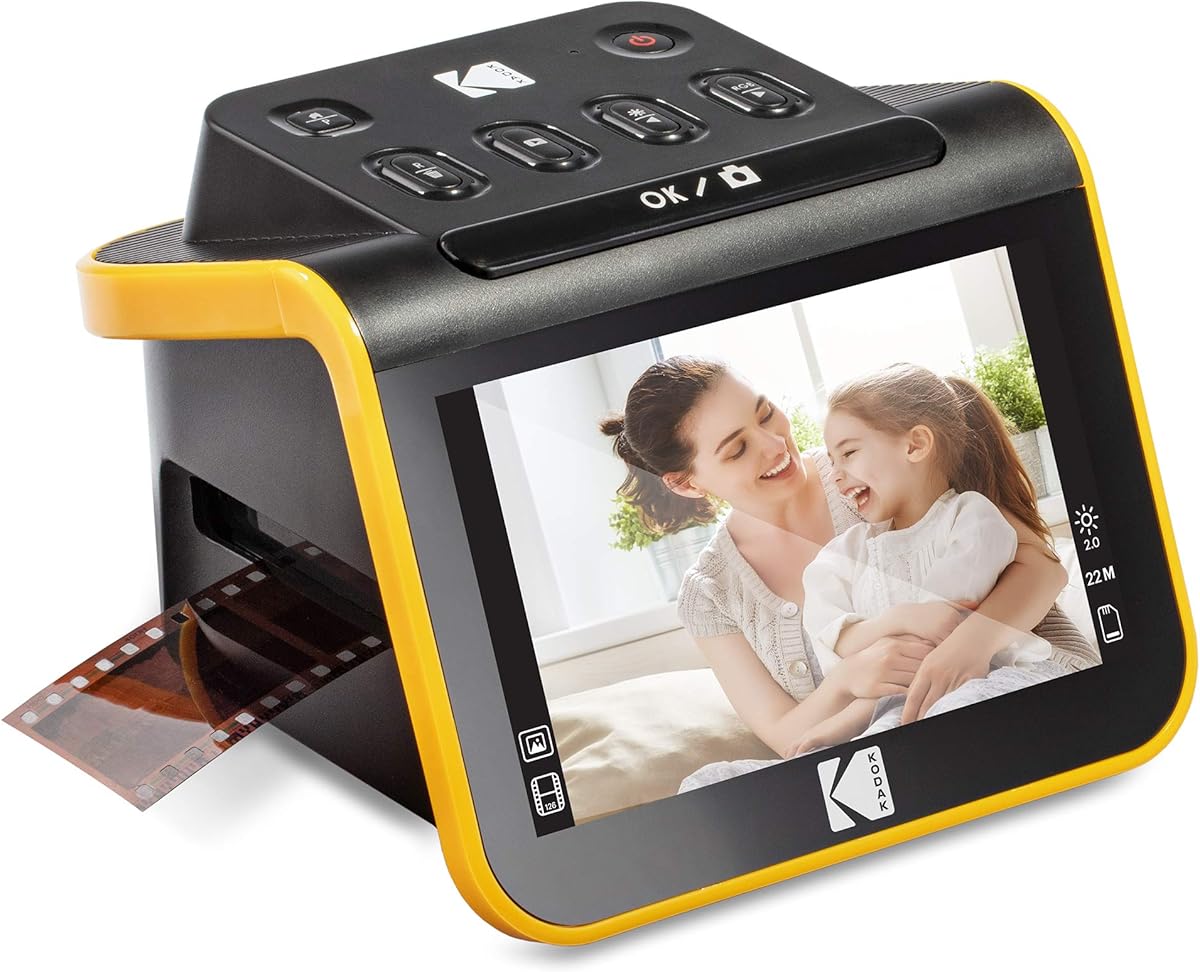
The KODAK Slide N Scan is a versatile tool designed to convert old film into digital files with minimal fuss. With a solid 4.3 star rating it stands out for its user-friendly interface and ability to handle multiple film formats including 135 110 and 126mm.
We may earn a commission when you buy through this link, at no additional cost to you.
Its 5 inch LCD screen provides a clear view of your scans allowing you to adjust brightness and color directly on the device. The quick-feeding tray technology simplifies loading making the process faster for collections of varying sizes without needing constant manual adjustment.
While it lacks a high capacity SD card out of the box the ability to save directly to removable media ensures you can manage large archives easily. The HDMI cable inclusion means you can project scans to a TV for family viewing without transferring files to a computer first.
This model is ideal for homeowners or hobbyists who want a standalone solution to preserve memories. Its blend of affordability and functionality makes it a top recommendation for those seeking a reliable film scanner to digital converter.
The scanner works without a computer allowing you to edit and save directly to an SD card using simple on device controls.
Adapters are included for 135 110 and 126mm negatives and slides ensuring you can digitize a wide range of archival materials.
We may earn a commission when you buy through this link, at no additional cost to you.
The Magnasonic All-in-One offers impressive resolution at 24 megapixels making it a strong contender for those on a budget. It supports Super 8 film which is a rare feature in this price range and allows for preserving moving images as stills or frames.
We may earn a commission when you buy through this link, at no additional cost to you.
Its 5 inch display is bright enough to view scans clearly and the fast loading trays help reduce downtime during batch sessions. The device handles adjustments like color correction and flipping directly on the scanner eliminating the need for external editing software.
While it does not include an SD card the support for up to 128GB ensures you have plenty of space for large projects. The HDMI connection adds value by enabling direct viewing on a television screen without extra steps or transfers.
This unit is perfect for families with mixed media collections including motion picture film. It balances cost and capability effectively making it our top pick for best budget film scanner to digital converter.
Unlike many basic scanners this model supports Super 8 film allowing you to digitize motion picture reels into high resolution JPEG files.
The SD card slot accepts cards up to 128GB giving you ample room to store thousands of scanned images without needing frequent offloads.
We may earn a commission when you buy through this link, at no additional cost to you.
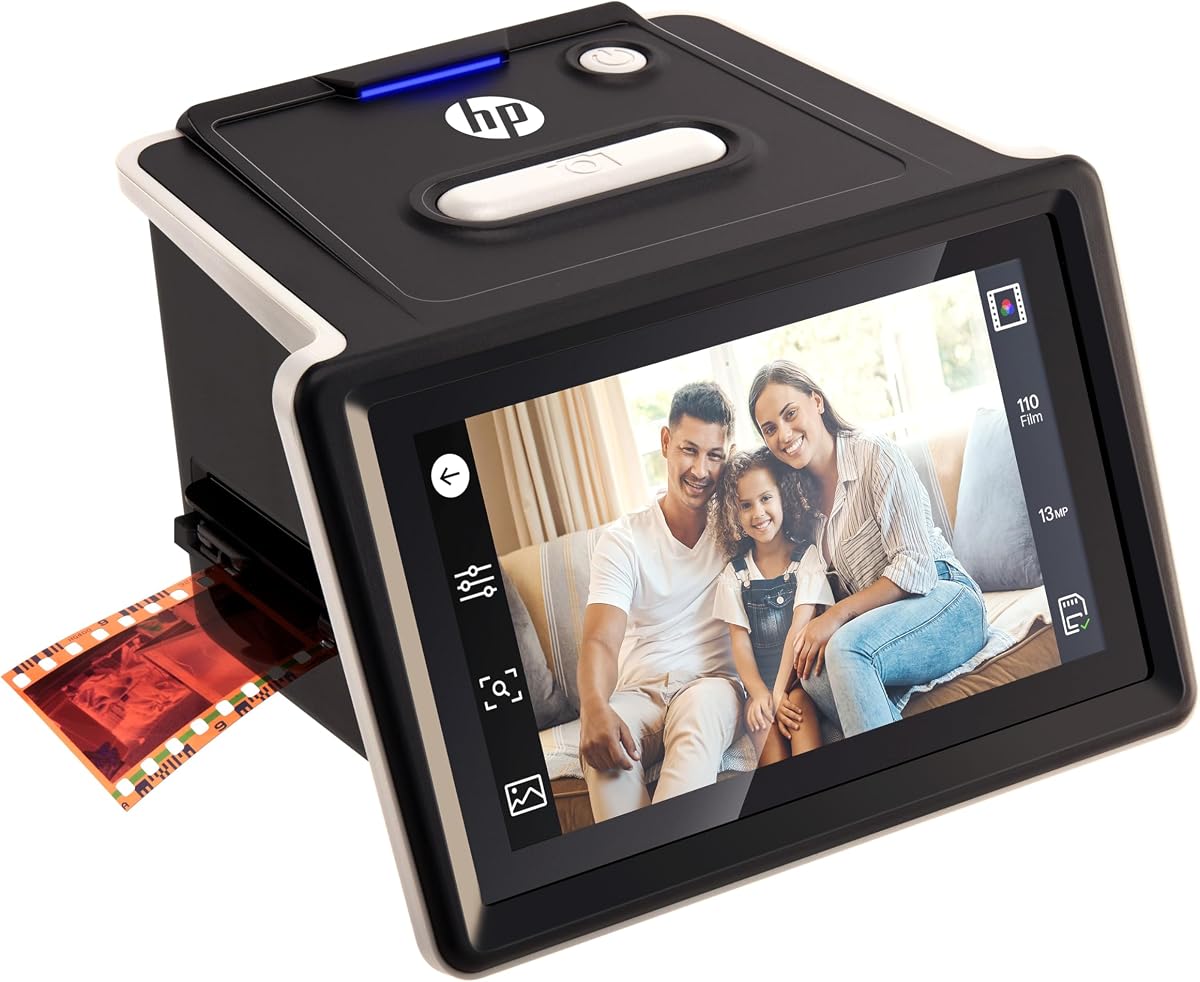
The HP Film & Slide Scanner HPFS500 brings a premium feel to the table with its interactive touchscreen and high resolution sensor. This model focuses on a streamlined standalone workflow that appeals to professionals or serious collectors who value precision and efficiency.
We may earn a commission when you buy through this link, at no additional cost to you.
Its 13MP CMOS sensor offers 22MP interpolation ensuring that fine details in old film are preserved during conversion. The quick-load tray helps minimize downtime when processing large volumes of slides or negatives making it efficient for archiving entire collections.
While the price is higher than entry level models the build quality and interface justify the investment for power users. The USB-C connection is a modern touch that ensures compatibility with newer computers without needing legacy ports or adapters.
We recommend this unit for those who want a high-end solution to preserve their photo archives with minimal compromise. Its robust features make it a standout choice in the premium segment of the market.
The 5-inch all-angle LCD touch screen lets you preview and adjust scans directly on the device for hands-on control.
The quick-load tray design enhances productivity by allowing faster transitions between scans reducing overall time spent digitizing.
We may earn a commission when you buy through this link, at no additional cost to you.
The KODAK SCANZA is a solid option for those needing a compact solution to digitize old film including rare 8mm formats. Its bright 3.5 inch display is adjustable which helps with viewing comfort during long scanning sessions in different lighting conditions.
We may earn a commission when you buy through this link, at no additional cost to you.
This model comes with a comprehensive accessory kit including HDMI and USB cables and a cleaning brush which helps avoid marks on scanned images. The intuitive user interface makes it easy to browse galleries and adjust resolution without technical knowledge.
While the screen is smaller than other top picks the functionality remains robust for home users. The inclusion of HDMI allows you to share your scans on a larger screen without needing to move files around your home network.
It is a great choice for collectors who value portability and a wide range of supported film types. The SCANZA delivers reliable performance in a smaller package making it easy to store and use as needed.
Unique in its class the SCANZA supports 8mm and Super 8 negatives providing a complete solution for vintage film collections.
Everything needed to start scanning is included such as cables adapters and a cleaning brush to ensure high quality output.
We may earn a commission when you buy through this link, at no additional cost to you.
The KODAK REELS Digitizer is specialized for converting motion picture film reels like 8mm and Super 8 into 1080p MP4 video files. This unique capability sets it apart from still image scanners and makes it essential for anyone with home movies.
We may earn a commission when you buy through this link, at no additional cost to you.
The large 5 inch LCD screen features touch buttons that let you zoom and align frames while adjusting exposure and tint for optimal results. It works with a wide range of reel sizes so you can handle various formats without needing extra hardware.
Although it does not capture audio the visual conversion is smooth and the files are ready for sharing or editing later. The included take-up reel and adapters ensure you can process reels of different sizes seamlessly during your digitization workflow.
This device is perfect for preserving home movies in a modern digital format that can be played on any device. While it is not a general purpose slide scanner it excels in its specific role of moving film conversion.
Converts motion picture film into 1080p HD MP4 video files ensuring your home movies are accessible on modern screens.
Compatible with 3 4 5 7 and 9 inch reels using a universal supply reel for flexible and easy setup.
We may earn a commission when you buy through this link, at no additional cost to you.
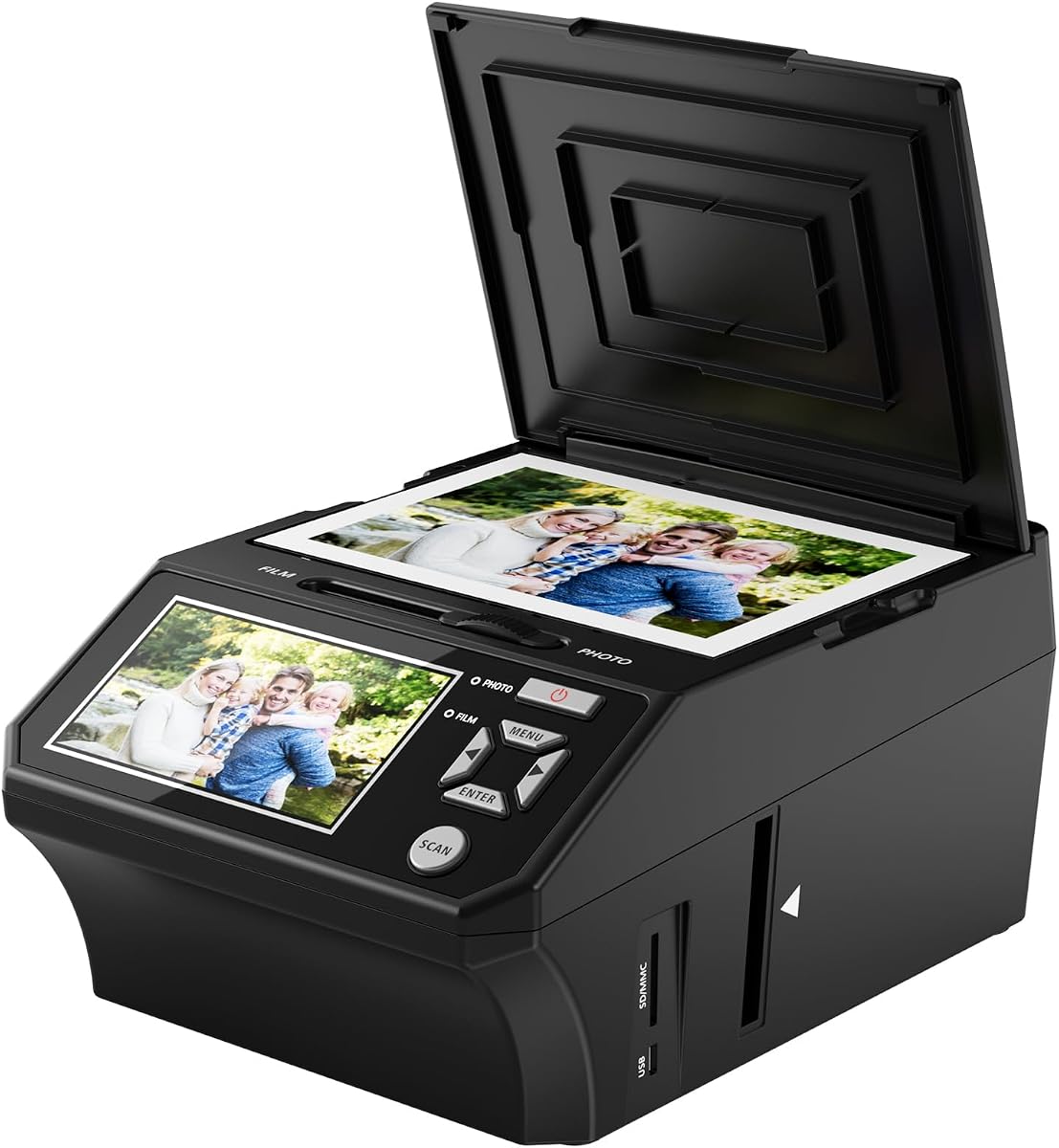
This versatile scanner is designed to handle both film negatives and printed photos making it a true all-in-one solution for mixed archives. Its large 5 inch HD screen provides a vibrant view of your images which simplifies the editing and preview process.
We may earn a commission when you buy through this link, at no additional cost to you.
One major benefit is that it comes with an 8GB SD card so you can start scanning immediately without buying extra accessories. The fast scanning capability ensures that you can declutter your home and rescue physical photos from fading quickly.
The 3-year warranty adds peace of mind and shows confidence in the product's durability and support. It is user-friendly enough for grandparents or parents who want to convert their collections without dealing with complex software or drivers.
If you have a mix of prints and slides this model offers the most convenient path to digitization. It combines practical features with solid support to ensure a smooth experience from the first scan to the final archive.
Converts 3R 4R and 5R printed photos into high quality JPEGs providing a complete solution for mixed media archives.
Backed by a reliable 3-year warranty and customer support this scanner offers long-term reliability for your digitization projects.
We may earn a commission when you buy through this link, at no additional cost to you.
The KODAK Slide N Scan Max features a larger 7-inch LCD screen that doubles as a digital picture frame for easy viewing and sharing. This expanded display size makes it easier to check details before saving and enhances the overall user experience.
We may earn a commission when you buy through this link, at no additional cost to you.
Its quick-feeding tray ensures continuous scanning without the need to reposition each frame individually which speeds up the workflow for large collections. The one-touch editing features allow you to resize and adjust images without navigating complex menus or software.
The device supports a wide range of film formats including 135mm 110mm and 126mm making it versatile for mixed archives. It is designed to be portable and efficient for users creating a digital archive at home without needing to connect to a computer.
This model is ideal for users who prioritize a large viewing experience and straightforward operation. The balance of size and function makes it a strong contender for those looking to digitize slides with comfort and speed.
The 7 inch tiltable LCD screen offers an enhanced viewing and editing experience ideal for previewing conversions and sharing memories.
Quick feeding tray technology ensures continuous scanning without repositioning keeping your workflow smooth and efficient.
We may earn a commission when you buy through this link, at no additional cost to you.
This model provides excellent value with high resolution and a complete accessory kit that includes USB and HDMI cables for versatile output options. The built-in 128MB memory allows you to scan without an SD card ensuring you are never stuck if storage is unavailable.
We may earn a commission when you buy through this link, at no additional cost to you.
Its large 5 inch display supports instant preview and playback which helps you verify scans before committing to saving them. The one-touch scanning feature makes the process intuitive and fast even for those with no technical skills.
The device supports multiple film formats including 35mm 126 and 110 negatives ensuring broad compatibility. It is designed to save images directly to the built-in memory or an external SD card for flexible data management.
Ideal for first-time users this scanner balances ease of use with solid performance. The inclusion of a warranty and all necessary cables makes it a convenient choice for anyone wanting to digitize old photos and slides quickly.
Images can be saved directly to the built-in 128MB memory so you can scan even without an external SD card.
Use the included HDMI cable to display images on your TV or Type-C USB to transfer photos to your computer.
We may earn a commission when you buy through this link, at no additional cost to you.
This scanner offers a high resolution digitization solution with a vibrant 5-inch HD screen that supports instant preview and editing. The gallery mode feature allows the device to act as a digital photo frame when not in use which adds aesthetic value to your desk.
We may earn a commission when you buy through this link, at no additional cost to you.
It converts negatives and slides into standard JPEG formats in seconds with just a single click and intuitive built-in software. You can bypass complicated computer programs and use the onboard buttons to select your film type and adjust color settings easily.
The 36-month warranty provides excellent long-term protection and support for your purchase. It includes a Type-C USB cable and HDMI cable so you can back up files or host nostalgic family slide shows on a larger screen.
For those seeking an affordable yet reliable tool this model delivers strong performance and peace of mind. The comprehensive kit and warranty make it a compelling option for families looking to modernize their photo archives.
When not scanning the device activates Gallery Mode to transform into a stylish desktop digital photo frame for sharing moments.
Backed by a 36-month warranty this scanner ensures long term reliability and customer support for complete peace of mind.
We may earn a commission when you buy through this link, at no additional cost to you.
The HP FilmScan features a 7-inch color LCD touch display that allows seamless preview editing and showcasing of photos directly on the device. Its 13-megapixel color CMOS sensor transforms color and black-and-white negatives into digital files with fine detail preservation.
We may earn a commission when you buy through this link, at no additional cost to you.
The quick-feed loading tray paired with a 50mm adapter simplifies scanning of 135 126 and 110 formats for mixed slide collections. Built-in editing tools let you crop and adjust scans directly on the display without needing additional software or a PC.
The gallery mode transforms the unit into a digital picture frame keeping your digitized memories continuously on display. Transfer photos to a computer via USB or display slideshows on a TV using the HDMI port for flexible viewing options.
This scanner is suitable for professionals and beginners who want a large interface for effortless image management. The high resolution sensor and rapid batch scanning features make it a strong choice for comprehensive collection management and display.
The 7-inch color LCD touch display allows seamless preview editing and showcasing of photos directly on the device.
Easily transfer photos to a computer via USB or display slideshows on a TV using the HDMI port for flexible options.
We may earn a commission when you buy through this link, at no additional cost to you.
Choosing the right film scanner to digital converter involves considering your specific needs and the types of media you plan to digitize.
Resolution determines how detailed your digital images will be. Look for a scanner with at least 2000 DPI to capture fine details in old slides and negatives.
Higher resolution ensures that grain and texture are preserved which is vital for archival quality copies of your precious memories.
Check if the scanner supports the specific film types you own such as 135 110 126 or Super 8. Some units also scan printed photos which adds versatility.
Having the right adapters for your collection ensures you do not need to buy separate devices for different formats saving money and space.
A large LCD screen like 5 inches or more makes it easier to preview and edit scans without connecting to a computer.
Touchscreen controls can simplify navigation and make adjusting settings like brightness and color much more intuitive for all users.
Standalone units work without a computer and save directly to SD cards which is convenient for quick scans and simple workflows.
Connected options provide more control over file naming and editing but require setup time and specific software installation on your PC.
Look for versatile ports such as USB and HDMI to allow both direct transfer to a computer and presentation on a TV screen.
Having both options means you can easily share your digital photos with family during gatherings and back them up later.
For large collections consider models with quick-feed trays that allow continuous scanning without manual frame adjustment.
Faster scanning reduces fatigue and helps you complete your digitization project in a reasonable timeframe without frustration.
A solid warranty of at least one year protects your investment and shows the manufacturer's confidence in the product durability.
Reliable customer support ensures you can get help if you encounter technical issues or need advice on how to use the device.
Prices vary widely so determine how much you are willing to spend based on your needs and how often you will use the scanner.
Higher cost models often offer better build quality and more features but budget options can be sufficient for casual home users.
Start by loading your film slides into the provided trays ensuring they are positioned correctly for the sensor. Use the on-screen controls to adjust brightness and color to match the original negative or slide.
After scanning check the preview on the LCD display to ensure the image quality meets your expectations before saving. Use the gallery mode to view and select files for transfer or deletion to manage your storage space effectively.
Keep the scanner clean by using the included dusting brush to remove specks from the light box and lenses. Store the unit in a cool dry place to prevent moisture damage to the electronics and ensure long-term performance.
Many modern models work as standalone units meaning you do not need a computer. You can load the film press scan and save directly to an SD card using the on-screen controls for a simple experience.
Most film scanners to digital converter units save images in JPEG format which is universally compatible with computers and TVs. Some high-end models may support TIFF for higher quality preservation but JPEG is the standard.
Some models like the KODAK REELS can convert Super 8 reels into video files while others only capture still frames. Check the product specifications carefully to ensure compatibility with your specific film type.
Standalone units typically do not require driver installation as they save directly to SD cards. If you connect via USB to transfer files your operating system may recognize them as external storage automatically.
Scanning times vary by model but a typical roll of 36 exposures can be processed in a few minutes. Batch scanning features on certain units allow faster throughput so you can complete larger collections more quickly.
Yes many devices have built-in editing tools that let you adjust brightness color and crop images directly on the LCD screen. This removes the need for additional software on your computer for basic adjustments.
Most scanners support SD cards up to 32GB or 64GB. Using a card with higher capacity helps you store more scanned images before needing to offload them to a computer or external drive.
High-resolution scanners produce digital files that are generally suitable for standard photo prints. For professional archival printing or high-resolution reproduction you may need to use software to enhance the files after scanning.
We explored ten top models ranging from budget-friendly options to premium touchscreen units. Our top picks include the KODAK Slide N Scan for its balance of features the Magnasonic All-in-One for Super 8 support and the HP FS500 for its high-end workflow.
When choosing prioritize factors like supported film formats and screen size to match your specific collection needs. Standalone operation is a great feature for those who want a hassle-free experience without installing complex software on multiple devices.
Remember to check current prices and availability as they can change frequently due to market demand. Investing in a reliable film scanner to digital converter is a smart move to ensure your memories remain accessible for future generations.