
Windows 11 Laptop with i3 Processor 15.6" Work Laptop for College Students
4.5Editor score
Intel Core i3 processor
12GB RAM memory
256GB SSD storage
Choosing the right laptop is crucial for engineering students who need reliable performance for demanding software and long study sessions. A good machine balances processing power with battery life and portability.
We compared top models based on processor strength, memory capacity, display quality, and connectivity options. Our list covers budget-friendly options and premium machines suitable for complex tasks.
Each pick highlights key strengths and ideal use cases to help you decide quickly. Prices change frequently, so verify current details before purchasing to ensure you get the best value.
4.5Editor score

4.4Editor score

4.6Editor score
As an Amazon Associate we earn from qualifying purchases.
This side-by-side comparison highlights the technical specifications and key features of the top ten laptops selected for engineering students based on performance and value.


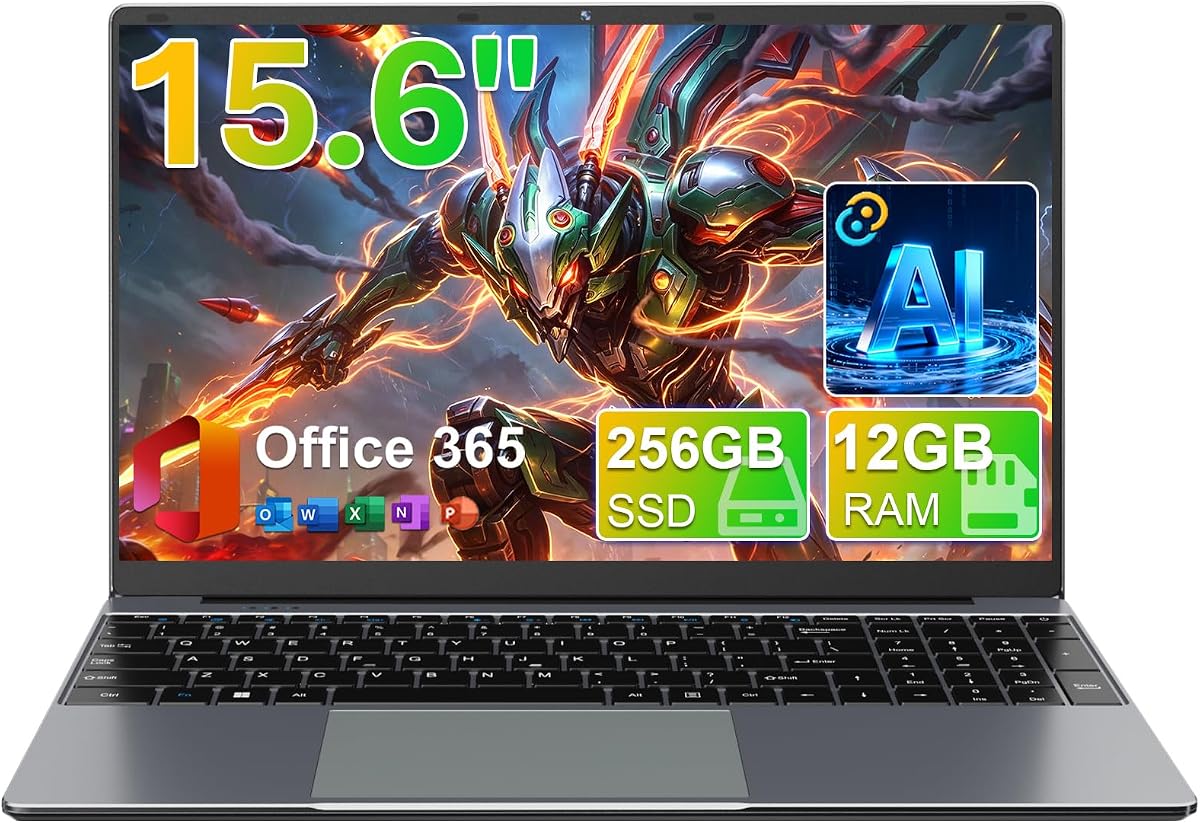


This laptop combines reliable performance with essential features for student budgets. It delivers solid speed for common engineering coursework and daily productivity tasks.
We may earn a commission when you buy through this link, at no additional cost to you.
The 12GB RAM enables smooth multitasking between browsers and tools. A 15.6 inch Full HD display offers clear visuals for diagrams and documents.
While the Core i3 is capable for standard workloads, it may struggle with heavy rendering. The SSD is decent but external drives may be needed for large project files.
This is a great choice for students needing a versatile machine without a high price. It balances everyday performance and portability effectively for campus use.
The Intel Core i3 processor with 12GB RAM handles multitasking efficiently. You can run word processors, web browsers, and lightweight engineering tools simultaneously.
Multiple ports including USB 3.0 and Type-C support external monitors and peripherals. This versatility helps connect to projectors or storage drives easily.
We may earn a commission when you buy through this link, at no additional cost to you.
HP delivers a practical machine for students needing everyday reliability. It supports common productivity tools and communication needs effectively for classes.
We may earn a commission when you buy through this link, at no additional cost to you.
The Intel N150 processor provides smooth performance for light tasks. Up to 11 hours of battery life ensures you stay productive through full day schedules.
Storage is limited which may require external drives for large files. Heavy design software will likely demand higher specs than this model offers.
Ideal for students prioritizing mobility and basic coursework efficiency. This laptop handles study sessions and presentations with ease on the go.
The extended battery life supports students attending back-to-back classes without a charger. You can work during travel or long lectures comfortably.
A free 1-year Office 365 subscription includes Word and Excel. This helps students manage projects and collaborate without extra software costs.
We may earn a commission when you buy through this link, at no additional cost to you.
This model stands out for its exceptional storage and memory capacity. It suits students needing space for media and projects without extra drives.
We may earn a commission when you buy through this link, at no additional cost to you.
The included docking station adds significant storage while 16GB RAM supports smooth multitasking. The Intel Celeron handles daily browsing and document editing well.
Processing power may limit performance with demanding engineering software. The display resolution is standard HD which might lack sharpness for detailed diagrams.
Best for students needing ample storage for coursework and media. It is a practical budget option for light engineering tasks and daily study.
The docking station provides 1TB of additional storage for files. This setup ensures you have room for projects without worrying about space.
With 16GB RAM you can run many apps simultaneously. This helps manage research tabs and tools efficiently during study sessions.
We may earn a commission when you buy through this link, at no additional cost to you.
This laptop prioritizes portability and everyday usability for students. It offers reliable connectivity and clear visuals for study needs.
We may earn a commission when you buy through this link, at no additional cost to you.
Its lightweight design and long battery life make it easy to carry across campus. The anti-glare display helps reduce eye strain during long sessions.
The limited RAM may slow performance when running many apps. Storage space is also tight which may require cloud solutions for larger files.
Ideal for students needing a simple machine for classes and browsing. It serves well as a secondary device for light tasks on the go.
Weighing only 3.24 lbs this laptop fits easily in backpacks. Its slim profile ensures you can move around campus without burden.
The anti-glare coating reduces reflections for comfortable viewing. This feature helps maintain focus during online classes and reading.
We may earn a commission when you buy through this link, at no additional cost to you.
This laptop features flexible design elements ideal for teamwork. It provides good screen clarity and memory for general productivity work.
We may earn a commission when you buy through this link, at no additional cost to you.
The 180 degree hinge allows easy screen sharing with classmates. A Full HD IPS display ensures vibrant visuals for presentations and media.
Performance is adequate for routine use but may lag with engineering tools. The WiFi 5 standard is older compared to newer faster options available.
Perfect for students who prioritize visual clarity and collaboration features. It is a practical choice for group projects and general school use.
The hinge opens flat to 180 degrees for presentations. This feature helps share screen content clearly with others nearby.
IPS technology delivers wide viewing angles and rich colors. This ensures diagrams and content look consistent from different angles.
We may earn a commission when you buy through this link, at no additional cost to you.
This affordable laptop offers modern features and reliable basics. It supports daily school tasks and essential office work smoothly.
We may earn a commission when you buy through this link, at no additional cost to you.
With built-in Copilot AI you gain helpful tools for productivity. The battery life ensures you can work through classes without frequent charging.
Low RAM may limit running multiple apps at once. Storage is also limited requiring external solutions for large project files.
Best for students needing a low-cost option for basics. It serves well for writing papers and browsing on a tight budget.
The Copilot AI key provides quick access to intelligent help. This feature assists with drafting emails and managing tasks faster.
WiFi 6 offers faster wireless speeds for streaming. This ensures stable connections for online classes and research.
We may earn a commission when you buy through this link, at no additional cost to you.
This Lenovo delivers powerful performance for demanding engineering tasks. It is built to handle intensive software and heavy workloads effectively.
We may earn a commission when you buy through this link, at no additional cost to you.
The 13th Gen i7 processor with 24GB RAM ensures smooth operation. A 1TB NVMe SSD provides lightning-fast access to large project files.
Its build quality meets military standards for reliability. While slightly heavier it offers robust connectivity for professional needs.
Ideal for students needing raw power for simulation and rendering. It is a premium investment for serious engineering workloads and longevity.
The i7 processor with 10 cores handles complex simulations. This power ensures engineering software runs smoothly without delays.
MIL-STD-810H tested construction resists wear and tear. This durability ensures the laptop survives campus life and travel.
We may earn a commission when you buy through this link, at no additional cost to you.
This HP laptop combines portability with essential features for students. It supports daily tasks and communication needs effectively for school.
We may earn a commission when you buy through this link, at no additional cost to you.
With up to 11 hours of battery life it keeps you productive all day. The Clear Vision 720p HD camera ensures clear video meetings.
Performance is tailored for light workloads not heavy processing. The limited RAM may restrict multitasking with many browser tabs.
Best for students needing a reliable companion for classes. It is easy to carry and supports standard productivity requirements well.
The 720p HD camera and noise reduction ensure clear audio. This helps maintain professional presence during virtual lectures.
Up to 11 hours of playback supports long study sessions. You can work for extended periods without a power outlet.
We may earn a commission when you buy through this link, at no additional cost to you.
Dell offers a solid laptop with reliable support for students. It provides balanced performance for daily tasks and assignments.
We may earn a commission when you buy through this link, at no additional cost to you.
The Core i5 processor and 16GB RAM enable smooth workflows. ComfortView software reduces blue light for comfortable extended use.
Onsite service helps if hardware issues occur during school terms. The ergonomic design supports long typing sessions effectively.
Best for students needing dependable hardware and service. It is a practical choice for those prioritizing reliability over style.
This feature reduces harmful blue light emissions. It helps keep eyes comfortable during late night study sessions.
One year onsite support means tech help at your location. This convenience ensures minimal downtime during critical projects.
We may earn a commission when you buy through this link, at no additional cost to you.
This laptop delivers a large workspace ideal for complex tasks. It offers strong performance and ample storage for demanding work.
We may earn a commission when you buy through this link, at no additional cost to you.
The 17.3 inch display provides extra space for multitasking. Ryzen 5 power with 16GB RAM handles engineering software smoothly.
Its size makes it less ideal for travel. The weight may be cumbersome for daily carrying across campus.
Best for students needing a desktop replacement. It offers superior screen real estate for detailed designs and data.
The 17.3 inch display offers significant screen real estate. This extra space helps manage multiple windows and tools.
HP Fast Charge restores 50 percent battery quickly. This feature ensures you get power when time is short.
We may earn a commission when you buy through this link, at no additional cost to you.
Selecting the right laptop requires balancing performance with portability. We examine key factors to help you make an informed decision.
Engineering software like CAD or MATLAB demands strong CPU performance. Aim for at least an Intel Core i5 or AMD Ryzen 5 processor for reliable results.
A modern processor ensures smooth handling of simulations and heavy data processing tasks.
RAM allows your laptop to run multiple applications without slowing down. 16GB is recommended for comfortable multitasking across research and design tools.
More RAM helps keep your workflow smooth when using heavy engineering programs.
Solid State Drives offer faster load times and better reliability than older hard drives. A capacity of 512GB ensures space for projects and files.
Fast SSD storage improves overall system responsiveness and file access speed.
A clear display reduces eye strain during long study sessions. Look for Full HD resolution and anti-glare coatings for better viewing comfort.
A sharp screen helps you work accurately on detailed diagrams and documents.
Long battery life lets you work between classes without a charger. Aim for at least 8 hours to stay productive throughout the day.
Extended battery ensures you remain mobile and ready for any task.
Lightweight laptops make commuting across campus easier. Consider weight and dimensions to ensure it fits comfortably in your backpack.
Portable designs help you move between labs and lectures without strain.
Multiple ports support peripherals like external monitors and drives. USB-C and HDMI ports are essential for presentations and expanded workspace.
Versatile connectivity helps you adapt to different project and lab setups.
Build quality matters for a device used daily. Look for sturdy materials or military-grade testing to ensure long-term reliability.
A durable laptop withstands the wear and tear of student life.
Always use the official power adapter to ensure charging efficiency. This prevents damage to your device and extends battery health over time.
Keep your laptop clean by regularly removing dust from vents. Use a soft cloth to wipe the screen and keyboard gently to avoid scratches.
Update your software regularly to maintain security and performance. This practice helps prevent system slowdowns and ensures compatibility with engineering tools.
An Intel Core i5 or i7 is ideal for most engineering tasks. For heavy simulation work look for processors with multiple cores and high clock speeds.
16GB of RAM is recommended for comfortable CAD performance. This allows you to run large files and multitask without lag during complex projects.
A dedicated GPU helps with rendering but integrated graphics work for basic tasks. Check specific software requirements to decide if you need extra power.
Solid State Drives offer the best balance of speed and durability. They ensure fast boot times and quick access to your project files.
A 14 inch to 15.6 inch display balances screen space and weight. This size fits easily in backpacks while providing enough room for work.
Ideally aim for at least 8 hours of battery life. This ensures you can work through classes and study sessions without finding an outlet.
We highlighted top models ranging from budget to premium options for every need. The Lenovo and HP 17 inch models offer power while HP and budget picks support basics.
Prioritize performance and durability based on your specific coursework. A machine with strong specs ensures you stay productive without frequent hardware limits.
Always verify current details before buying to ensure you get the best deal. Prices change often so check the latest offers to save on your purchase.