
Energizer Ultimate Lithium AA Batteries (24 Pack)
4.7Editor score
Up to 25 years storage life
Performs in extreme temperatures
Leak-proof construction design
This guide compares the top lithium batteries for trail cameras to help you choose the longest-lasting reliable power source for your outdoor wildlife
Choosing the right power source is critical for any trail camera setup. Lithium batteries offer superior performance in extreme temperatures and longer life compared to standard alkaline options. They ensure your camera captures every moment without unexpected downtime during important hunting seasons.
We evaluated ten top-rated lithium battery products based on capacity, temperature range, shelf life, and real-world reliability. Our analysis focuses on how each option performs in demanding outdoor environments typical for wildlife monitoring and security applications requiring consistent power delivery.
Each pick highlights specific strengths such as rechargeability or primary cell endurance tailored to different camera models. While prices fluctuate frequently, these selections represent the current best value and performance available for serious outdoor enthusiasts and professional users alike.
4.7Editor score

4.3Editor score
4.5Editor score
This side-by-side comparison evaluates ten leading lithium battery solutions designed specifically for trail camera applications. We analyze capacity, compatibility, charging methods, and temperature resilience to help you find the perfect power source for your unique monitoring needs.


The Energizer Ultimate Lithium AA Batteries offer a highly reliable power solution for trail cameras. With a 4.7 rating, users praise its consistent performance in harsh outdoor conditions. This pack provides 24 AA cells, ensuring you have spares for extended deployment.
We may earn a commission when you buy through this link, at no additional cost to you.
Its standout feature is the ability to function from -40°F to 140°F, which is critical for winter hunting or summer security setups. The 25-year shelf life means you can stock up without worrying about expiration. Leak-proof construction protects your expensive camera equipment from corrosion damage caused by battery fluid.
While the upfront cost is higher than alkaline options, the longevity often justifies the expense. You won't need to replace batteries as often, saving time and money on maintenance trips. The primary drawback is that they are not rechargeable, so you must dispose of them properly after use.
This product is ideal for users who need guaranteed reliability in remote locations where maintenance is difficult. If you prioritize performance over saving a few dollars on initial purchase, this is the top choice for most trail camera setups.
Trail cameras often sit in environments with extreme temperature swings. Batteries that freeze or degrade quickly can cause your device to stop recording when it matters most. The wide operating range ensures consistent voltage delivery regardless of weather conditions.
Having batteries that last up to 25 years in storage allows you to prepare for emergencies or peak seasons without waste. This is particularly useful for backup cameras or emergency kits where readiness is essential.
We may earn a commission when you buy through this link, at no additional cost to you.
For those needing fewer batteries or wanting to try the brand first, the 8-pack offers the same premium quality in a smaller volume. The 4.7 rating reflects user satisfaction with its consistent voltage and long life in outdoor devices.
We may earn a commission when you buy through this link, at no additional cost to you.
This option is perfect for a single camera deployment or as a supplement to your main power supply. The leak-proof design protects your gear just like the larger pack, while the extreme temperature performance ensures reliability in any season. It is lighter and easier to transport in a vehicle.
The trade-off is that you may need to buy multiple packs for a full installation depending on your camera model. However, the per-unit cost remains competitive with other premium lithium brands. It is not rechargeable, so proper disposal is necessary after use.
Ideal for casual users or those testing battery performance before committing to larger bulk purchases. This pack delivers the same Energizer reliability without the bulk of a 24-count box, making it versatile for various needs.
Smaller packs are convenient for travel or temporary deployments. They take up less space in your gear bag while still providing the high performance expected from lithium chemistry.
Energizer maintains the same standards across pack sizes. You get the same leak-proof construction and temperature range regardless of whether you buy eight or twenty-four cells.
We may earn a commission when you buy through this link, at no additional cost to you.
This listing represents the core Energizer Ultimate Lithium line available through various retailers. With a 4.7 rating, it shares the same high-performance traits as the larger packs, including extreme temperature resilience and long shelf life.
We may earn a commission when you buy through this link, at no additional cost to you.
Manufactured by Energizer, you receive the same leak-proof construction and high-energy density known for powering critical outdoor devices. It is lightweight and easy to handle during camera setup or battery swaps. The product ensures you have reliable power for surveillance or wildlife monitoring.
Pack sizes may vary depending on the seller, so check quantity before ordering. The primary limitation is that it is not rechargeable, requiring replacement after energy is depleted. This is standard for primary lithium cells.
This option is best for users who need a standard high-quality AA lithium cell without specific pack constraints. It serves as a reliable general-purpose battery for any device requiring AA size power with extended life.
Energizer ensures every cell meets rigorous standards for voltage consistency and safety. This consistency is vital for trail cameras that need steady power to avoid corrupting image files.
Compared to alkaline cells, these are significantly lighter. This reduces the overall weight of your camera setup when using heavy-duty mounts or extended deployment periods.
We may earn a commission when you buy through this link, at no additional cost to you.
Some trail cameras require CR123A cells instead of standard AA. This Duracell pack offers a 4.8 rating, proving its reliability for high-drain devices. The 3V output provides strong energy for consistent performance.
We may earn a commission when you buy through this link, at no additional cost to you.
Designed for professional and outdoor use, it offers a 10-year storage guarantee ensuring readiness when needed. It handles extreme temperatures from sub-freezing to high heat, essential for security cameras in diverse climates. The high energy density outperforms standard alkalines in demanding setups.
It is not suitable for AA-only cameras so verify your device requirements. The 6-count pack is compact but may require buying more for extended deployments. It is not rechargeable, limiting long-term cost benefits unless used sparingly.
Best for users with specialized cameras needing CR123A cells. If your device requires this format, Duracell provides the most trusted and reliable option available on the market.
Law enforcement and security professionals trust this brand. For trail cameras used in critical monitoring scenarios, this level of trust translates to peace of mind regarding battery failure.
The 3V chemistry allows for more compact battery designs with high power. This is ideal for devices where space and weight are critical factors.
We may earn a commission when you buy through this link, at no additional cost to you.
BEVIGOR offers a strong alternative with a 24-pack at a competitive price. It features a steady 1.5V output that maintains full voltage longer than alkalines, ensuring consistent camera performance throughout its life.
We may earn a commission when you buy through this link, at no additional cost to you.
The 20-year shelf life allows you to stock batteries for future needs without worry. Safety features include 3-layer protection against leaks and short circuits. It is 42% lighter than alkaline cells, reducing fatigue during field work. The temperature range matches top competitors.
As a lesser-known brand, it may lack the extensive history of legacy names. However, user reviews generally praise its reliability and value. Like others, it is not rechargeable, but the cost per cell often undercuts premium brands.
This is a great value choice for budget-conscious users who still want lithium performance. It balances affordability with high features like long storage and safety protection effectively.
Unlike alkalines that fade gradually, these maintain steady voltage. This ensures your camera does not struggle with low voltage issues that lead to missed photos or shutdowns.
The 3-layer protection system adds peace of mind. Leak-proof construction protects expensive camera gear from corrosion risks common with standard batteries.
We may earn a commission when you buy through this link, at no additional cost to you.
For Tactacam Reveal users, this battery pack offers a rechargeable solution to save on replacement costs. With 6000mAh capacity, it supports long trips without frequent changes. It includes an LED meter for easy power monitoring in the field.
We may earn a commission when you buy through this link, at no additional cost to you.
It supports solar charging when paired with a solar panel, extending runtime indefinitely. Dual charging ports (USB-C and 12V) offer flexibility for on-the-go charging. Safety features prevent overcharging and overheating ensuring longevity and safe operation even in extreme weather.
It is not compatible with AA cameras, so check your device model carefully. The initial setup requires charging before first use. This dependency on charging infrastructure may be inconvenient for remote setups without access to power.
Ideal for Reveal camera owners who want to reduce long-term battery costs. If you have a solar panel or access to charging, this pack offers unmatched convenience for extended deployments.
Being compatible with solar panels means you can maintain power indefinitely in sunny regions. This makes it perfect for fixed cameras where frequent maintenance is not feasible.
The visual indicator removes guesswork from battery status. You can quickly see if you need to recharge or swap the pack without installing it into the camera.
We may earn a commission when you buy through this link, at no additional cost to you.
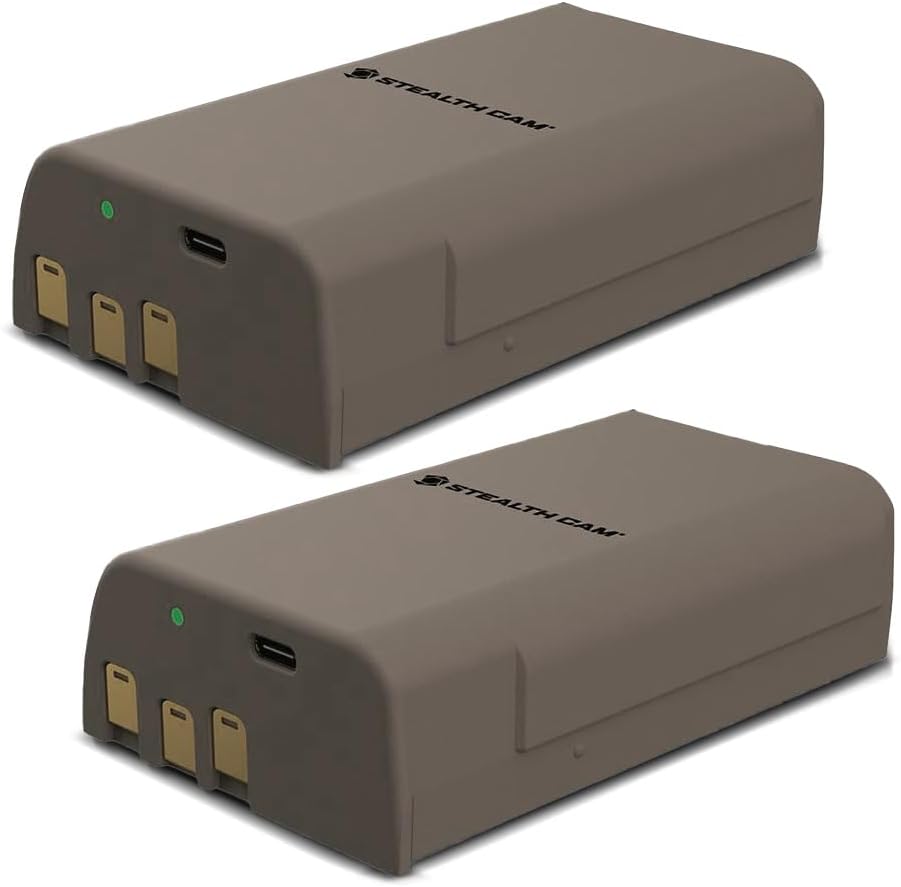
Cellular trail cameras demand high power, and this cartridge delivers with a 12V, 5000mAh capacity. Designed specifically for Stealth Cam cellular models, it ensures reliable data transmission even in low-light or wooded areas where solar panels struggle.
We may earn a commission when you buy through this link, at no additional cost to you.
Its weather-resistant build protects against temperature swings, ensuring operation in heat or cold. You can recharge it via USB cable, saving money on disposable cells. The 2-pack allows rotation between cameras to maintain continuous monitoring.
It only fits Stealth Cam models, limiting broader use. The upfront cost is higher, but for cellular users, it is essential. The 12V output prevents performance drops that lower voltage batteries might suffer during data transfers.
Best for Stealth Cam cellular users seeking reliability. It eliminates the hassle of frequent battery swaps and ensures your camera sends images consistently regardless of lighting conditions.
Sending photos over cellular networks requires significant power spikes. This battery ensures those spikes do not cause voltage drops that interrupt image transmission.
Designed for tough terrains, the cartridge withstands weather elements. This is critical for outdoor setups where batteries are exposed to rain or snow.
We may earn a commission when you buy through this link, at no additional cost to you.
This pack is designed for SPYPOINT cellular models, offering a 7000mAh capacity that lasts up to 30% longer than standard options. It simplifies the charging process with a built-in USB-C port and clear LED indicators.
We may earn a commission when you buy through this link, at no additional cost to you.
The 6-layer safety protection ensures secure operation during outdoor use. It works in extreme temperatures, making it suitable for winter hunts or summer monitoring. The Type-C port allows fast charging using modern chargers.
It is incompatible with other brands so verify your camera model. You need a Type-C charger which may be an added cost. Battery life may decrease significantly in freezing temperatures compared to primary cells.
Best for Spypoint owners looking to upgrade to a high-capacity rechargeable pack. It reduces long-term expenses and ensures consistent performance for cellular data transmission.
More capacity means fewer charges between field trips. For users with multiple cameras, this reduces the overall workload significantly.
With Type-C support, you can charge the battery in about six hours. This quick turnaround allows you to return to the field faster.
We may earn a commission when you buy through this link, at no additional cost to you.
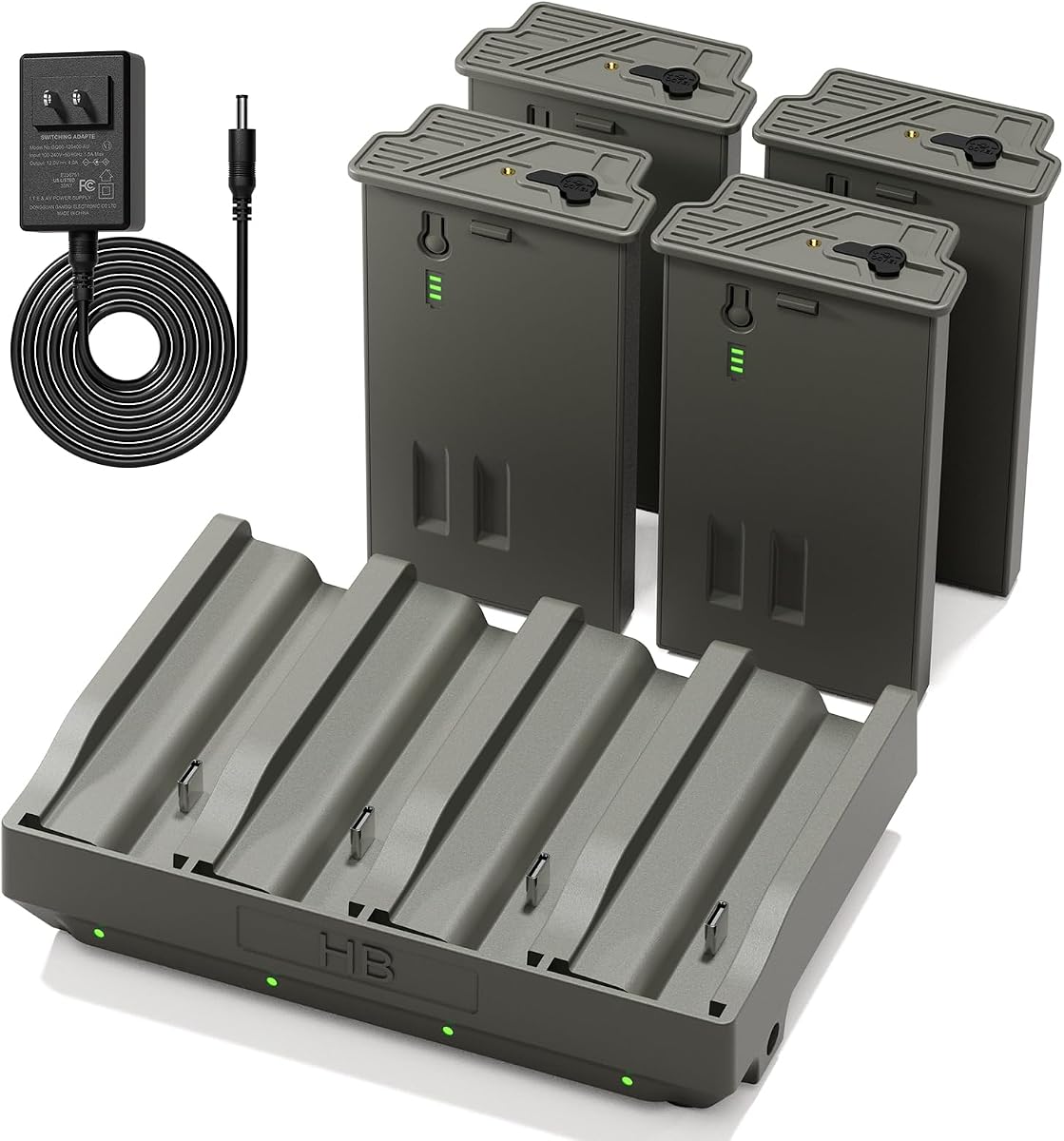
This bundle provides both batteries and a dedicated 4-port charger, ideal for multiple camera setups. The 5000mAh capacity ensures reliable power for Reveal models, while the charger supports rapid charging technology.
We may earn a commission when you buy through this link, at no additional cost to you.
It uses high-performance Japanese cells to maintain performance in extreme temperatures. An integrated LED power indicator simplifies status checks. The 4-port charger allows simultaneous charging, saving time for users with several cameras.
The setup is specific to Reveal cameras so it may not suit other brands. The charger adds extra weight to your bag, which may matter for hiking users. However, the convenience often outweighs this minor inconvenience.
Best for users managing multiple cameras who want a complete power solution. It removes the hassle of buying a separate charger, providing a ready-to-use system out of the box.
Charging four batteries at once means you can rotate spares seamlessly. This ensures your monitoring never stops due to a single battery failure.
The clear LED status removes guesswork from charge levels. This visual feedback helps you avoid running into the field with a depleted battery.
We may earn a commission when you buy through this link, at no additional cost to you.
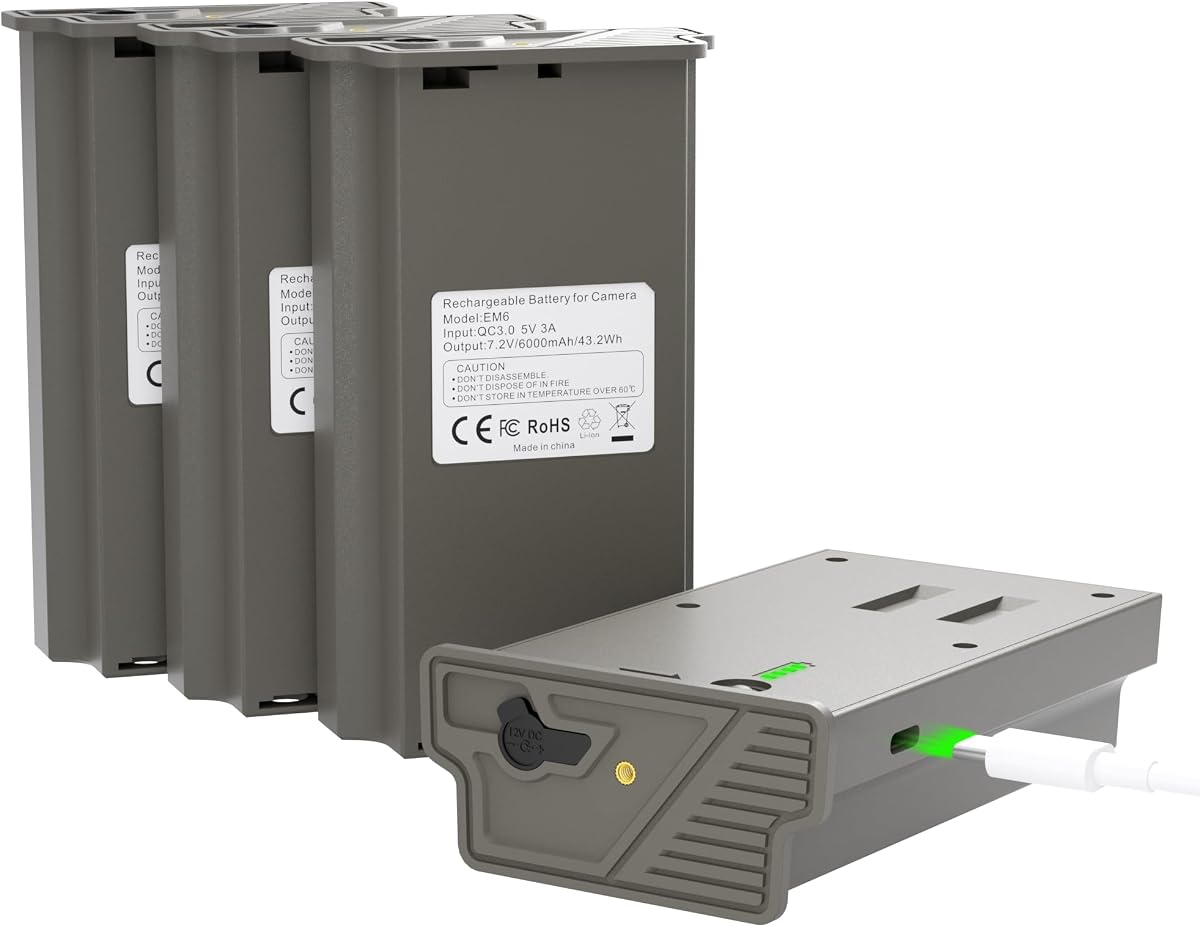
For heavy users of Reveal cameras, this 4-pack provides excellent value. Each battery offers 6000mAh capacity, ensuring extended monitoring times. The intelligent protection chip safeguards against overheating and over-charging.
We may earn a commission when you buy through this link, at no additional cost to you.
It includes USB-C charging cables and an LED meter for easy power tracking. Compatibility with solar panels makes it ideal for remote setups where power is scarce. The stable performance across variable temperatures ensures year-round reliability.
It is specific to Reveal models so cannot be used elsewhere. The Type-C requirement means you need modern chargers. While bulk value is strong, you must ensure your camera model matches exactly.
Best for users with multiple Reveal cameras or those needing spares. This bulk pack reduces cost per battery and ensures you always have a fully charged spare ready for deployment.
Managing several cameras requires many batteries. A 4-pack ensures you have enough capacity for rotations without frequent recharging cycles.
Working with solar panels means sustainable power. For long-term setups, this compatibility can turn your camera into a zero-maintenance monitoring station.
We may earn a commission when you buy through this link, at no additional cost to you.
Selecting the right battery involves considering capacity, compatibility, and environmental factors. This guide breaks down key specifications to help you choose the most suitable power source for your specific camera needs.
Capacity determines how long your camera operates before needing a replacement. Higher mAh (milliamp-hours) ratings generally mean longer runtime. Look for packs that offer at least 5000mAh for rechargeable options to minimize maintenance trips.
Higher capacity batteries reduce the frequency of checks, saving time and effort in the field.
Trail cameras often face extreme temperatures. Ensure the battery is rated for -40°F to 140°F operation. Standard alkaline cells may freeze in winter or leak in summer, whereas lithium cells maintain performance across wider ranges.
Choose batteries explicitly rated for extreme weather to ensure reliability in harsh environments.
Different cameras require different battery types. Some use standard AA cells, while others need CR123A or proprietary rechargeable packs. Always verify your camera manual before purchasing to ensure physical fit and voltage match.
Matching the battery type to your camera model prevents damage and ensures optimal performance.
Primary lithium cells offer long shelf life and are ideal for low-drain use. Rechargeable options like Li-Po packs save money over time but require charging infrastructure. Consider how often you access the site to decide which type fits your workflow.
Rechargeable packs are best for frequent access sites, while primary cells suit remote or low-frequency deployments.
If you buy in bulk, shelf life is crucial. Lithium batteries can last up to 25 years in storage, whereas alkalines degrade faster. Look for brands that guarantee long shelf life to avoid wasting unused power.
Long shelf life ensures batteries are ready when needed without loss of energy over time.
Safety mechanisms like leak-proofing and overcharge protection are vital. Look for features such as explosion-proof valves and short-circuit protection. These prevent damage to your camera and ensure safe operation in varied conditions.
Safety features protect your investment and ensure reliable operation without risks of leakage or overheating.
Calculate cost per use rather than upfront price. Rechargeable packs have higher initial costs but save money long-term. Compare pack sizes to find the best value per cell for your specific deployment needs.
Prioritize long-term value over initial price to ensure sustainable monitoring without overspending.
For rechargeable packs, ensure you have access to power. USB-C ports or car chargers provide flexibility. If you use solar panels, verify compatibility to enable self-sustaining power solutions for remote locations.
Flexible charging options ensure you can recharge batteries wherever you are without needing a power outlet.
Insert batteries correctly, ensuring positive and negative terminals align with the camera markings. If using rechargeable packs, fully charge before first use to optimize performance. Check the battery meter if available to confirm power status before installation.
Store unused batteries in a cool, dry place away from direct sunlight or heat sources. Avoid extreme temperatures during storage to prolong shelf life. Keep unused batteries in their original packaging to prevent accidental discharge or short circuits.
Regularly check battery levels during deployments to avoid missing critical footage. For rechargeable packs, swap them out every few weeks during peak usage. Clean contacts with a dry cloth to ensure good electrical connection and reliable performance.
Yes, lithium batteries are worth the investment because they last longer and perform better in extreme cold. They prevent leakage and ensure your camera does not fail when you need it most. The higher initial cost is offset by reduced replacement frequency.
No, not all cameras support rechargeable packs. Some require standard AA or CR123A cells. Always check your camera manual to see if it accepts rechargeable packs. Using incompatible batteries can damage your device or void warranties.
Lithium batteries typically last 20 to 30% longer than alkaline batteries. Depending on usage, you may get months of monitoring on a single set. Rechargeable packs can last weeks before needing a charge based on image capture rates.
Standard alkaline batteries can freeze or lose power quickly in winter. This often causes the camera to shut down or fail to capture images. Lithium batteries are designed to work reliably in sub-zero temperatures ensuring uninterrupted operation.
Most premium lithium batteries are leak-proof designed to protect your device. They prevent internal pressure buildup that causes leakage in other battery types. However, always dispose of them properly after use to maintain safety.
Never mix different battery types or brands. Mixing can lead to uneven discharge and potential leakage. Always use a full set of the same brand and type to ensure consistent performance and safety.
Choosing the right battery ensures your camera captures every critical moment without interruption. We highlighted options like Energizer for primary use and Lesaps for rechargeable needs. These picks cover most trail camera models and power preferences effectively.
Prioritize temperature range and compatibility for your specific needs. Rechargeable packs save money for frequent users, while primary cells offer convenience for remote sites. Select the type that fits your access frequency and camera model best.
Prices change regularly so verify current deals before buying. Ensure you have the right charger or solar setup if opting for rechargeable batteries. Investing in quality power sources guarantees reliable performance for your outdoor surveillance.