This guide compares the top Hydrogen Sulfide Monitor options for safety and accuracy, helping you choose the best device for your specific industrial or home
As an Amazon Associate we earn from qualifying purchases. We may earn a commission when you buy through links on this page, at no additional cost to you. Read our affiliate disclosure.As an Amazon Associate we earn from qualifying purchases.Purchases through our links may earn us a commission, at no extra cost to you. Read our affiliate disclosure.
Hydrogen Sulfide gas presents significant health risks in many industrial environments. Choosing a reliable monitor ensures worker safety and regulatory compliance. This guide highlights top models.
We evaluated ten leading Hydrogen Sulfide Monitor devices based on detection accuracy, battery life, and durability features. Each product offers unique strengths for different safety scenarios and applications.
Every pick includes detailed specs and real-world performance notes. Prices fluctuate frequently, so check current listings before purchasing to ensure you get the best value available today.
Top 3 Picks for Best Hydrogen Sulfide Monitor
Best Budget
Hydrogen Sulfide Analyzer by Forensics | USA NIST Traceable Calibration | H2S Monitor | Computer Data Logging | Built-in Pump & 4ft Probe | 0.1ppm Resolution |
Top 10 Best Hydrogen Sulfide Monitor in 2026 Compared
The following table provides a side-by-side overview of the ten top-rated Hydrogen Sulfide Monitor models selected for this guide. Compare key specifications to find the right fit.
This BW Technologies monitor earns top honors for its reliable performance in demanding industrial environments. It features a compact design that ensures comfort during long shifts while maintaining high safety standards.
Pros
Reliable detection accuracy
Long battery life
Compact easy to carry
Automatic data logging
One-button simplicity
Cons
Limited to single gas
Basic display screen
We may earn a commission when you buy through this link, at no additional cost to you.
The device includes automatic logging of recent gas events and bump test results, which is crucial for compliance tracking. Users benefit from hibernation mode options that extend battery life significantly between charges or battery replacements.
While it focuses on single gas detection, the simplicity ensures fewer points of failure. The one-button operation reduces confusion in emergency situations where clarity is paramount for safety protocols.
It is ideal for workers needing a dependable, no-fuss hydrogen sulfide monitor. We recommend it for facilities prioritizing long-term reliability and easy maintenance over multi-gas versatility.
Long-Lasting Performance
The hibernation mode helps preserve battery life, making it suitable for extended shifts without interruption.
Compliance Ready
Automatic logging simplifies record-keeping, ensuring that safety audits are straightforward and efficient for managers.
Hydrogen Sulfide Analyzer by Forensics | USA NIST Traceable Calibration | H2S Monitor | Computer Data Logging | Built-in Pump & 4ft Probe | 0.1ppm Resolution |
NIST traceable calibration
Built-in pump included
Color display screen
USB data logging
This Forensics analyzer stands out with its NIST traceable calibration and built-in pump, offering professional-grade precision. The color display and graph functions make interpreting data intuitive for users of all experience levels.
Pros
High resolution detection
NIST traceable certs
Integrated sampling pump
Color display interface
Robust waterproof casing
Cons
Higher price point
Heavier than clips
We may earn a commission when you buy through this link, at no additional cost to you.
The device measures hydrogen sulfide with 0.1 ppm resolution, providing fine-grained control for sensitive environments. It includes water and dust resistance, making it robust enough for harsh industrial or field conditions without worry.
Its built-in pump allows for remote sampling via a 4ft probe, which is essential for confined space entry testing. Alarm events are recorded with date and time stamps for comprehensive safety documentation.
Ideal for labs and high-stakes industrial sites, this unit justifies its cost with superior accuracy and documentation features. It is the top choice for those requiring verified, traceable data accuracy.
Professional Calibration
Comes with NIST traceable calibration certificates from California, ensuring measurement accuracy is verified and trustworthy for regulatory compliance.
Remote Sampling
The built-in pump and probe allow you to test air quality in hard-to-reach or dangerous areas safely before entry.
MSA 10092521 Altair Hydrogen Sulfide Single Gas Detector (H2S)
Two-year sensor life
Patented sensor tech
LED alarm system
High RFI resistance
The MSA Altair is known for its patented sensors that offer an impressive lifespan of over two years. This design reduces long-term costs and maintenance efforts significantly for fleet managers.
Pros
Two-year sensor lifespan
Superior dust protection
High RFI resistance
LED audible alarms
One-button operation
Cons
Higher price point
No data logging
We may earn a commission when you buy through this link, at no additional cost to you.
It features high RFI resistance and superior dust protection, ensuring it works reliably in electrically noisy or dusty industrial settings. The LED and audible alarms provide clear alerts when gas levels rise unexpectedly.
While it lacks advanced data logging, its focus on durability and long sensor life makes it a cost-effective choice for pure detection needs. The one-button operation keeps usage straightforward for daily checks.
Best for facilities prioritizing durability over advanced features, this monitor delivers consistent performance. It is a strong option for users who value long-term sensor reliability and robust housing.
Sensor Longevity
Patented sensors operate for over two years, reducing the frequency of replacements and lowering total cost of ownership.
Robust Protection
Superior dust and water protection ensures the device survives in challenging environments where other monitors might fail.
2 Year Hydrogen Sulfide GasAlertClip Extreme Gas Monitor
Zero maintenance needed
Automatic event logging
Water-resistant casing
Cost-effective solution
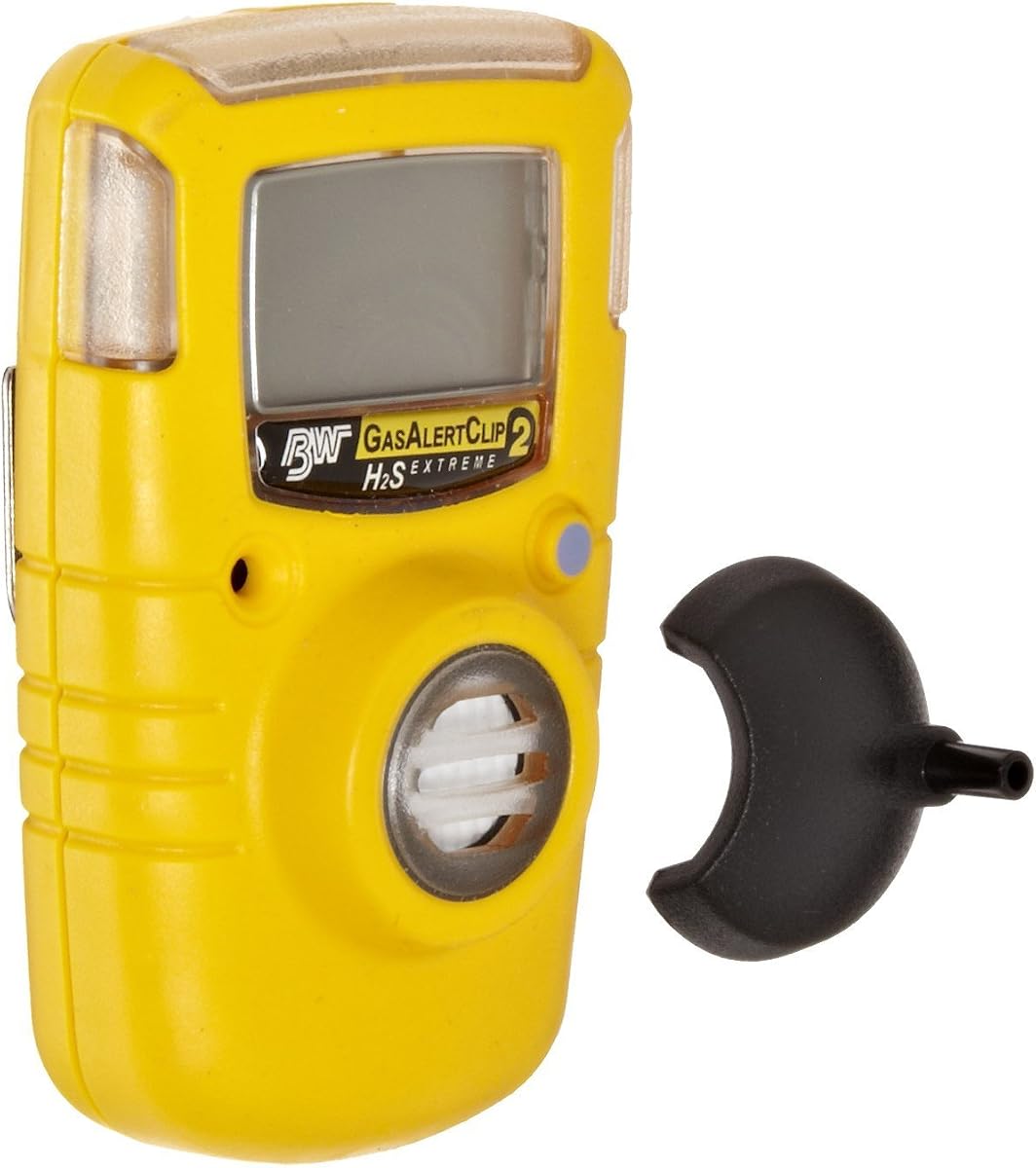
This GasAlertClip Extreme is recognized as one of the world's most popular zero-maintenance gas detectors. It requires no calibration or battery replacement, making it extremely user-friendly for on-site contractors.
Pros
Zero maintenance required
Low cost of ownership
Water-resistant design
Automatic event logging
Easy one-hand use
Cons
Limited customization options
Basic visual alarm
We may earn a commission when you buy through this link, at no additional cost to you.
Automatic event logging ensures record keeping is accurate and easy, with a bright wide-angled visual alarm for clear alerts. Its durable design withstands tough conditions while remaining lightweight for comfortable wear.
The lack of calibration needs simplifies training requirements and reduces downtime for workers. It is an excellent choice for facilities looking for a simple, reliable solution for basic hydrogen sulfide detection.
We recommend this for sites needing a no-nonsense, cost-effective safety tool. Its simplicity and reliability make it a favorite for routine industrial monitoring without complex upkeep.
Zero Maintenance
Requires no calibration, sensor replacement, or battery charging, allowing workers to focus on safety without administrative tasks.
Event Tracking
Automatic logging captures every alarm event, simplifying safety reporting and helping identify recurring issues quickly.
TopTes Guard-863Pro 4 Gas Monitor Multi Gas Detector for H₂S, CO, LEL, and O₂, with TFT Color Screen, Upgraded O₂ Sensor (5-Year Lifespan), USB Data Export, 18h Battery Life, Reliable for Work & Home
Four gas detection
TFT color screen
Five-year O2 sensor
USB data export
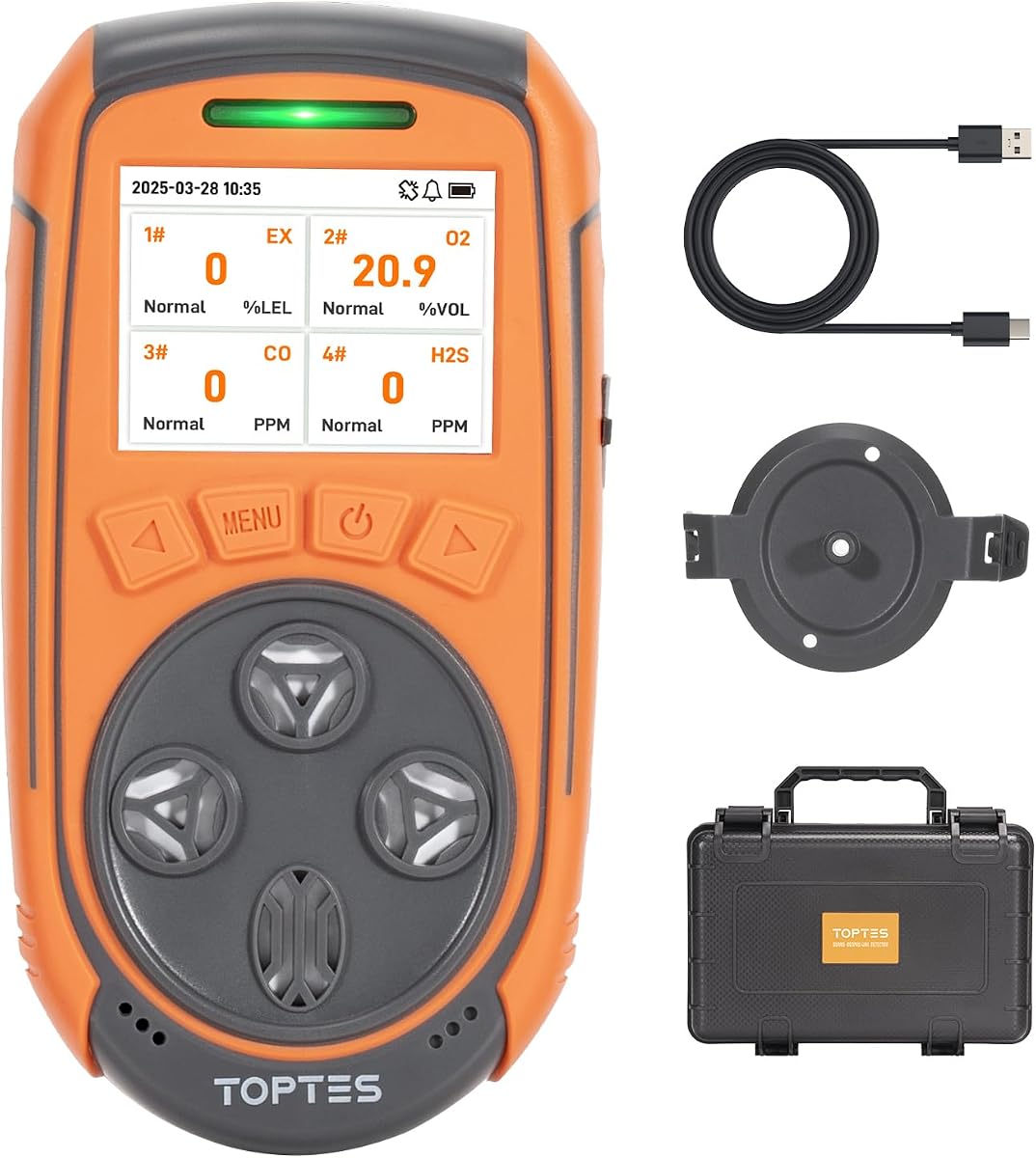
The Guard-863Pro offers versatile monitoring for hydrogen sulfide alongside CO, LEL, and oxygen. Its TFT color screen displays real-time data clearly, even in low-light work conditions.
Pros
Multi-gas versatility
TFT color display
Long 18h battery
USB data export
Fast response time
Cons
Complex for single-gas needs
Heavier than clip-ons
We may earn a commission when you buy through this link, at no additional cost to you.
Users benefit from a five-year lifespan on the oxygen sensor, reducing replacement frequency. The USB data export function allows efficient tracking and analysis of alarm records and calibration logs.
With a triple alarm system and fast 0.5-second response time, it ensures safety in varied environments. The back clip design makes it easy to carry during shifts without hindering movement.
It suits users needing broader protection than a single-gas monitor offers. We recommend it for industrial sites where multiple hazards may be present simultaneously in the same environment.
Multi-Gas Safety
Detects H2S, CO, LEL, and O2 simultaneously, providing comprehensive protection in complex industrial settings where multiple risks exist.
Clear Display
The TFT color screen shows trend curves and gas concentration matrices, making it easy to interpret safety data quickly.
TopTes Guard-101 Gas Detector, 4 Gas Monitor for H2S, CO, LEL and O2, with Vibration, Visual and Audible Alarms, 14h Long Battery Life, Safety Explosion-Proof, for Work, Home – Orange
Four gas types
14-hour battery
Triple alarm modes
Password protection
This Guard-101 is built with high-strength ABS plastic, ensuring it withstands dust and water while maintaining explosion-proof safety. It delivers reliable multi-gas monitoring with a 14-hour battery life.
Pros
Explosion-proof build
Strong battery life
Vibration alarm option
Password protection
Clip-on portability
Cons
Slightly heavier design
Requires charging
We may earn a commission when you buy through this link, at no additional cost to you.
The triple alarm modes—LED, vibration, and sound—ensure alerts are noticed even in noisy environments. Password protection prevents accidental changes to settings, keeping calibration intact throughout the shift.
Users can store alarm records for review, adding value for safety audits. It is ideal for workers in mining or manufacturing where robust construction and clear alerts are vital.
We suggest this for those needing affordable multi-gas monitoring with durable features. Its balance of cost and performance makes it a solid choice for daily field use.
Durable Construction
High-strength ABS and explosion-proof design protect the device from impacts and hazardous environments effectively.
Accidental Prevention
Password protection stops accidental changes to settings, ensuring the device stays calibrated and ready for use.
TOPTES Guard-633 H2S Detector, H2S Monitor Clip On with Precise Gas Sensor, 0.5S Fast Response, 7-Day Battery Life, Low Battery Alert, Adjustable Alarm Range, 3 Alarm Modes, Explosion-Proof Safety
Clip-on design
Seven-day battery
Fast response time
Explosion-proof shell
The Guard-633 delivers essential hydrogen sulfide monitoring at an affordable price point. Its seven-day battery life and fast response time make it practical for long-duration daily tasks.
Pros
Affordable price point
Seven-day battery life
Fast 0.5s response
Clip-on portability
Low battery alerts
Cons
Basic feature set
Limited screen info
We may earn a commission when you buy through this link, at no additional cost to you.
Users benefit from a clip-on design that enhances portability, allowing hands-free use. The triple alarm modes and adjustable thresholds provide flexibility for different safety needs across various job sites.
While it lacks advanced data logging, the low battery alerts prevent unexpected shutdowns. It is a solid entry-level option for workers needing reliable protection without high costs or complexity.
We recommend this for budget-conscious users or occasional use cases. Its simplicity and long battery life offer good value for straightforward safety monitoring needs.
Extended Battery
A single five-hour charge provides up to seven days of operation, reducing the need for frequent recharging during shifts.
Portability
The clip-on design allows workers to carry the detector easily, ensuring it is always available without weighing down pockets.
H2S Monitor Clip Single Gas H2S Detector Portable Hydrogen Sulfide Detector Gas Leak Detectors with Buzzer and Red Indicator Alarm Clip on 0~100ppm H2S Gas Detector (Black)
IP65 protection rating
Compact lightweight
Buzzer alarm
Clip-on portable
This portable detector is designed for simple hydrogen sulfide detection with a measurement range up to 100 ppm. Its IP65 protection rating ensures resistance to dust and water in demanding outdoor environments.
Pros
Lightweight handheld design
Backlit LCD screen
IP65 rating
Clear 0-100ppm
Easy clip-on use
Cons
Basic alarm alerts
Limited screen features
We may earn a commission when you buy through this link, at no additional cost to you.
The backlight screen ensures clear readings in low light, while the buzzer and red indicator provide immediate alerts. The compact clip-on design makes it easy to carry and use hands-free.
Password protection prevents accidental operation, ensuring the settings remain secure for safety compliance. It is suitable for general industrial use where basic detection and alert are the primary needs.
We suggest this for workers needing a simple, durable single-gas solution. Its ease of use and robust build make it effective for standard daily monitoring tasks.
Durability
IP65 protection ensures the device resists dust and water ingress, making it suitable for harsh outdoor or industrial work zones.
Clear Alerts
The backlight screen and red indicator provide clear visual cues for gas levels and alarms, even in dim conditions.
USA NIST Calibrated 4 Gas Monitor by Forensics | O2, CO, H2S, LEL | USB Recharge |
NIST traceable cal
Rechargeable battery
Explosion-proof design
Waterproof casing
This Forensics monitor offers verified accuracy through its NIST traceable calibration certificates. It covers multiple gases including hydrogen sulfide, CO, LEL, and oxygen with robust construction.
Pros
NIST traceable certs
Rechargeable USB power
Robust waterproof build
Triple alarm system
Quality guarantee
Cons
Price higher than clips
Basic interface
We may earn a commission when you buy through this link, at no additional cost to you.
Users benefit from a waterproof and dust-proof design, ideal for outdoor or industrial sites. The USB rechargeable battery reduces costs, and the triple alarm system ensures reliable warnings.
Digital time stamps on alarms help with compliance tracking. It comes with a QA certificate and quality guarantees, adding trust to its performance claims for safety professionals.
It suits users needing certified accuracy without extreme bulk. We recommend it for sites requiring verified calibration data and multi-gas protection in rugged environments.
Verified Accuracy
Calibration is traceable to NIST standards, ensuring your readings are accurate and defensible during safety inspections.
Power Options
USB rechargeability eliminates disposable battery costs, providing a sustainable and cost-effective power source for field use.
Honeywell BW Technologies BW Clip BWC2-H Single Gas H2S Monitor
Hibernation mode
Automatic event logging
Lightweight design
One-button operation
This BW Clip is designed for superior durability and simplicity in single-gas detection. It supports hibernation mode via accessories, extending battery life and reducing power drain when not in use.
Pros
Hibernation support
Automatic data logging
Fleet compatibility
Lightweight comfort
One-button simplicity
Cons
Single gas limited
Requires docking system
We may earn a commission when you buy through this link, at no additional cost to you.
Automatic logging of the 35 most recent gas events aids in quick safety reviews and compliance checks. Compatibility with Fleet Manager II software helps centralized safety managers track multiple devices easily.
The one-button operation ensures workers can activate it instantly without confusion. It is an excellent choice for facilities needing lightweight, reliable units for consistent daily monitoring without complex setup.
We recommend this for teams prioritizing fleet compatibility and data tracking. Its straightforward design reduces training time while ensuring reliable detection of hydrogen sulfide hazards.
Fleet Management
Compatible with Fleet Manager II, enabling centralized tracking of multiple devices and ensuring consistent safety compliance across teams.
Power Efficiency
Hibernation mode conserves battery power, allowing the monitor to last longer between charges or battery swaps during shifts.
We may earn a commission when you buy through this link, at no additional cost to you.
Buying Guide – How to Choose the Best Hydrogen Sulfide Monitor
Selecting the right monitor involves evaluating several factors that impact safety and usability. This section outlines key considerations to help you make an informed decision for your environment.
Detection Range and Accuracy
Ensure the device covers the expected range of hydrogen sulfide in your environment. Look for monitors with low resolution, such as 0.1 ppm, to detect early leaks before they become dangerous.
Aim for high accuracy to avoid false alarms or missed detections. Check manufacturer specs for measurement error margins to ensure reliable readings during critical moments.
Battery Life and Power Options
Battery duration determines how long you can work without interruption. Rechargeable units save costs but may require specific chargers. Single-use batteries are simple but add ongoing expenses and waste.
Choose a battery life that matches your shift length. Look for low-battery alerts to prevent unexpected shutdowns during critical monitoring periods.
Alarm Systems
Effective monitors use multiple alarm types including sound, vibration, and light. Vibrations are crucial in noisy environments where audio alarms might be missed.
Ensure alarms are loud and bright enough to alert you quickly. Some devices offer adjustable thresholds to customize alerts based on your specific safety needs.
Portability and Design
Monitors should be lightweight and easy to carry. Clip-on designs attach to pockets or collars for hands-free operation. Consider weight for workers wearing other gear.
Durable construction is essential for industrial sites. Look for water and dust resistance ratings to ensure the device survives harsh environments without damage.
Data Logging and Compliance
Recording data helps with safety audits and identifying patterns. Devices that store alarm events with timestamps simplify compliance reporting. USB or wireless export options allow easy sharing.
Check if the device supports software integration for fleet management. This centralizes monitoring and ensures all units meet safety standards consistently.
Sensor Type and Lifespan
Electrochemical sensors are standard for hydrogen sulfide detection. They offer good accuracy and response times. Check the expected lifespan to plan for replacements.
Sensors degrade over time. Units with long sensor life reduce long-term maintenance. Ensure calibration options are available to maintain accuracy throughout the sensor's life.
Certifications and Safety Standards
Verify the device meets local safety regulations such as OSHA or ISO standards. Look for ATEX or IECEx certifications for use in explosive atmospheres.
Certifications ensure the device has passed rigorous testing. Avoid uncertified models for professional use to avoid liability issues and safety gaps.
Ease of Use
Simple operation ensures workers focus on tasks not controls. One-button activation and clear displays reduce confusion in emergencies.
Consider training requirements. Devices that minimize maintenance needs help ensure consistent use. Intuitive interfaces reduce the risk of user error.
How to Use and Care for Your Hydrogen Sulfide Monitor
Always perform a bump test before use to verify sensor and alarm function. This ensures the device is working correctly and ready to alert you to hazards.
Keep the sensor clean and free from dust or debris. Regularly inspect the unit for damage and store it in a protective case when not in use.
Replace batteries or charge as recommended by the manufacturer. Keep a record of calibration dates and replace sensors when their lifespan expires.
Frequently Asked Questions
How often should I calibrate my hydrogen sulfide monitor?
Calibration frequency depends on the manufacturer and environment severity. Most devices require monthly calibration or before each shift in hazardous conditions. Follow the user manual for specific intervals and record all calibration data for compliance.
Can I use a single-gas monitor in a multi-gas environment?
A single-gas monitor only detects hydrogen sulfide and will not alert for other hazards. In environments with multiple risks, use a multi-gas monitor to ensure comprehensive protection. Prioritize safety by choosing the right tool for all hazards present.
What does a calibration certificate mean?
A calibration certificate verifies the device was tested against known gas concentrations to ensure accuracy. It provides traceable proof of performance. Always keep these certificates for safety audits and regulatory compliance checks.
Why is my monitor beeping constantly?
Constant beeping could indicate high gas levels, a dirty sensor, or a malfunction. Move to fresh air immediately. If the alarm persists, replace the sensor or contact support. Never ignore alarms in safety-critical environments.
Do hydrogen sulfide monitors expire?
Yes, sensors degrade over time and typically last two to five years. The monitor housing may last longer. Replace sensors according to the manufacturer's schedule to maintain accuracy. Always check expiration dates when purchasing.
Is there a difference between explosion-proof and intrinsically safe?
Explosion-proof equipment contains explosions internally while intrinsically safe devices limit electrical energy to prevent sparks. Both are critical for hazardous environments. Choose the certification that matches your industry's safety standards and regulations.
Final Thoughts on Choosing the Best Hydrogen Sulfide Monitor
The top picks include the BW Technologies BW Clip for reliability, the Forensics Analyzer for accuracy, and the Guard-633 for budget-conscious users. Each serves distinct needs based on precision and cost.
Prioritize safety certifications, battery life, and alarm reliability when choosing. Ensure the device fits your specific environment and compliance requirements for maximum protection.
Prices change frequently, so verify current listings and warranties before purchasing. Selecting the right monitor is an investment in long-term safety and peace of mind for all workers.