
Seagate Portable 4TB External Hard Drive
4.6Editor score
Plug and play simplicity
4TB content storage capacity
USB 3.0 interface
Recording professionals need storage that handles high bitrates without dropping frames. The right hard drive ensures your sessions run smoothly from start to finish.
We evaluated capacity, speed, and reliability to find drives suited for audio workstations and video editing suites. Each option balances performance with long-term durability.
Each pick highlights specific strengths for recording workflows. Note that prices fluctuate frequently, so check current listings before finalizing your purchase decision.
4.6Editor score

4.4Editor score

4.4Editor score
As an Amazon Associate we earn from qualifying purchases.
This side-by-side comparison highlights key specifications across all ten top-rated drives to help you quickly identify the best fit for your recording setup.


The WD_Black Performance Internal Hard Drive stands out as a top choice for recording professionals needing robust internal storage. With a 4.4 rating, it is trusted for reliability and speed in demanding workflows.
We may earn a commission when you buy through this link, at no additional cost to you.
Its 7200 RPM speed and 512 MB cache ensure smooth data streaming during multi-track recording. The 10TB capacity offers ample space for large libraries and session backups.
While it commands a premium price, the performance gains justify the cost for serious users. Installation requires opening your desktop, but the payoff in stability is significant.
Choose this drive if you prioritize speed and capacity in a desktop setup. It delivers the performance needed for professional audio and video recording tasks.
The 7200 RPM speed ensures that data reads and writes keep up with high-resolution recording demands.
With 10TB of storage, you can store years of projects without constantly managing file space.
We may earn a commission when you buy through this link, at no additional cost to you.
The Seagate Portable 4TB External Hard Drive offers exceptional value for budget-conscious recording studios. Its 4.6 rating highlights user satisfaction with its simplicity and storage density.
We may earn a commission when you buy through this link, at no additional cost to you.
It connects via USB 3.0 for decent transfer speeds suitable for backing up sessions or storing completed projects. The 4TB capacity is a practical sweet spot for many freelancers.
While not the fastest option for active recording, it excels at archival tasks. Its plug-and-play nature means no drivers are needed to start storing files immediately.
Buy this drive for backups and offsite storage. It is a reliable, low-cost way to safeguard your valuable audio and video recordings.
This drive provides a cost-effective way to archive old projects without breaking your budget.
Simply connect the drive to your computer and start dragging and dropping files instantly.
We may earn a commission when you buy through this link, at no additional cost to you.
The WD 6TB Elements Portable External Hard Drive is a top pick for mobility in recording tasks. With a 4.7 rating, users love its ability to carry vast data safely.
We may earn a commission when you buy through this link, at no additional cost to you.
Its 6TB capacity allows you to transport entire libraries or projects between studios easily. The SuperSpeed USB 3.2 interface ensures quick transfers without bottlenecks.
While it lacks extra software, its simplicity is often a benefit. Just plug it in and start moving files without configuration hurdles.
Choose this drive if you need to move large recordings frequently. It balances portability with capacity perfectly for mobile recording setups.
Carry up to 6TB of music and video data in a compact, travel-friendly package.
Works seamlessly with both Windows and Mac systems for broad studio flexibility.
We may earn a commission when you buy through this link, at no additional cost to you.
The Seagate Exos 26TB Internal Hard Drive delivers massive capacity for large-scale recording archives. Its 4.5 rating reflects confidence in its enterprise-grade durability.
We may earn a commission when you buy through this link, at no additional cost to you.
With 26TB, you can store years of high-fidelity sessions without worrying about space. The 7200 RPM speed supports sustained workloads typical in production environments.
This drive is built for continuous operation, making it ideal for server-like setups. While installation is complex, the reliability is unmatched for critical data.
Select this drive for archival servers or central storage hubs. It provides the scale needed for professional studios with extensive libraries.
Designed for 24/7 operation, this drive handles constant read and write cycles efficiently.
Uses Conventional Magnetic Recording for consistent performance without write speed penalties.
We may earn a commission when you buy through this link, at no additional cost to you.
The WD Blue Internal Hard Drive offers a balanced mix of capacity and performance for daily recording. With a 4.6 rating, it is a trusted choice for general storage needs.
We may earn a commission when you buy through this link, at no additional cost to you.
Its 12TB capacity handles most medium-scale project needs comfortably. The 7200 RPM speed ensures that file access remains snappy during active editing.
While it is not a specialized performance drive, its reliability makes it a safe bet. The included cloning software simplifies upgrades significantly for users.
Pick this drive for general internal storage in your workstation. It provides consistent performance for recording and archival at a reasonable price.
Suitable for everyday computing tasks including media storage and standard recording sessions.
Acronis True Image WD Edition makes migrating data to new drives effortless.
We may earn a commission when you buy through this link, at no additional cost to you.
The WD 4TB Elements Portable External Hard Drive is perfect for quick backups and transport. Its 4.6 rating indicates strong user trust in its portability.
We may earn a commission when you buy through this link, at no additional cost to you.
It fits easily in a bag for mobile recording sessions. The SuperSpeed USB 3.2 Gen 1 ensures that file transfers do not stall your workflow.
While it lacks security features, it works well for general storage. The lightweight design makes it easy to carry between locations daily.
Choose this drive for simple backups and file transfers. It is a practical solution for keeping your projects safe on the go.
Its small enclosure fits in pockets or bags for easy transport between gigs.
USB 3.2 Gen 1 speeds ensure quick backups and quick restores of your files.
We may earn a commission when you buy through this link, at no additional cost to you.
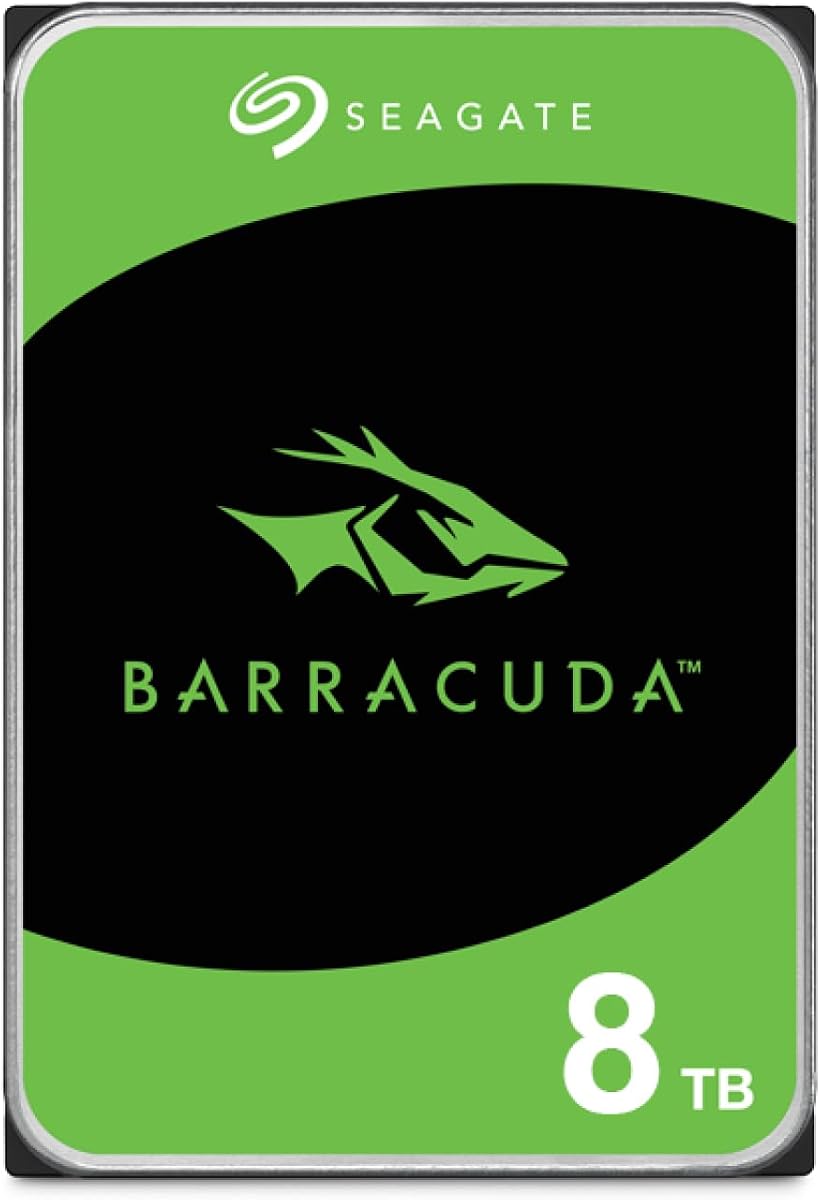
The Seagate BarraCuda Internal Hard Drive provides robust storage for desktop recording setups. A 4.7 rating confirms its status as a reliable workhorse for users.
We may earn a commission when you buy through this link, at no additional cost to you.
With 8TB capacity and 190MB/s transfer rates, it handles media libraries efficiently. It is a standard SATA solution that integrates seamlessly into most PC builds.
While not the fastest drive available, it offers consistent performance. The proven reliability makes it a safe choice for long-term storage.
Buy this drive for primary project storage in your desktop. It offers a great balance of capacity and dependability for audio workstations.
Backed by 20 years of innovation, this drive is trusted for consistent performance.
The 8TB capacity allows you to store numerous projects without immediate upgrades.
We may earn a commission when you buy through this link, at no additional cost to you.
The Western Digital Ultrastar DC HC580 offers massive capacity for large recording archives. Its 4.6 rating highlights reliability in demanding enterprise environments.
We may earn a commission when you buy through this link, at no additional cost to you.
With 24TB, it is ideal for storing complete studio archives. The 2.5M MTBF rating ensures it runs continuously without failure.
While it is a heavy drive, its performance justifies the investment. The renewed option provides cost savings for users seeking enterprise-grade hardware.
Choose this drive for high-density server storage. It handles continuous operation perfectly for large-scale recording and media archives.
Engineered for 24/7 operation, ensuring reliability in always-on recording environments.
Store vast amounts of data with 24TB capacity for growing libraries.
We may earn a commission when you buy through this link, at no additional cost to you.
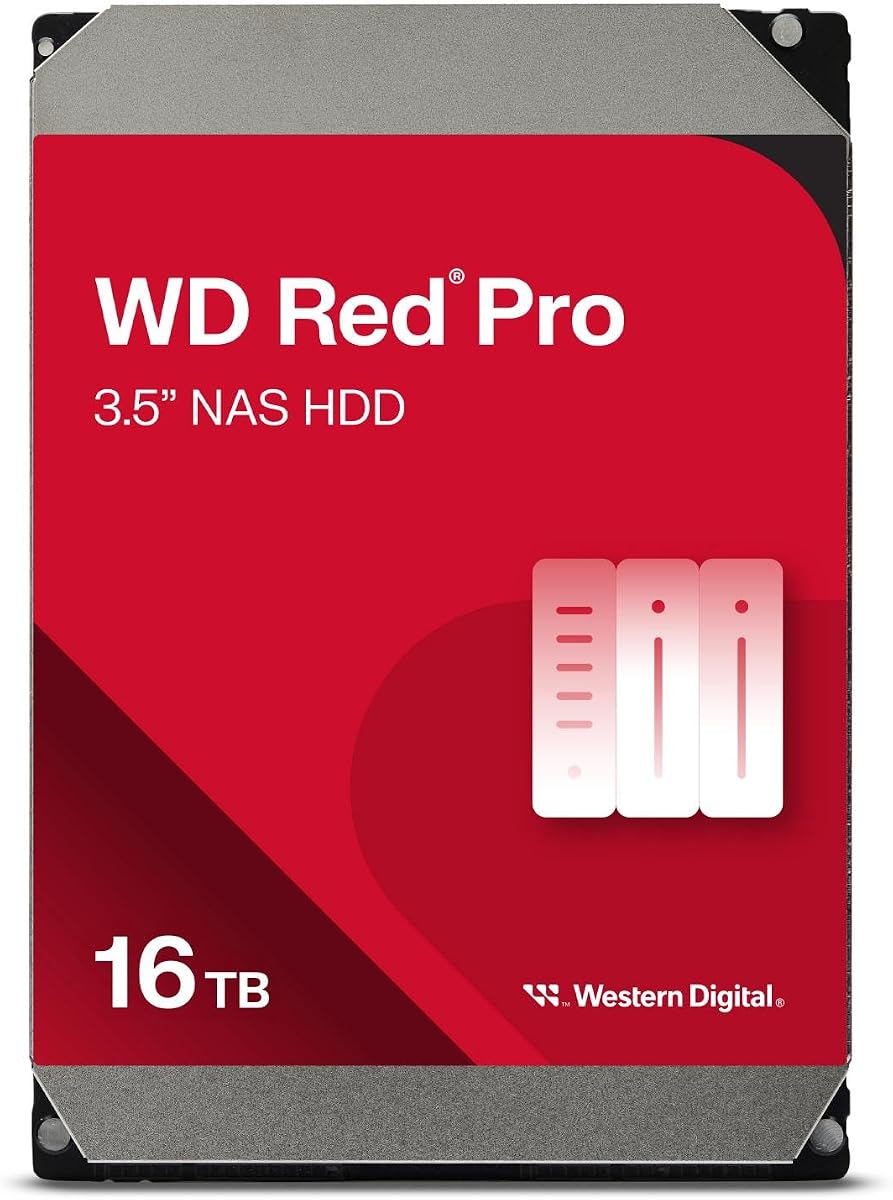
The WD Red Pro NAS Internal Hard Drive is built for multi-user recording networks. A 3.9 rating reflects its specialized focus rather than general desktop use.
We may earn a commission when you buy through this link, at no additional cost to you.
It supports 550TB/year workload rates, making it robust for shared studio access. The 16TB capacity ensures plenty of space for collaborative files.
While it runs hot, the cooling systems in NAS units manage this well. The CMR technology guarantees consistent performance during read and write operations.
Select this drive for central studio storage servers. It is optimized for reliability in high-demand multi-user environments.
Designed specifically for RAID systems to ensure data integrity and performance.
Handles heavy 24×7 data transfers typical in professional multi-user setups.
We may earn a commission when you buy through this link, at no additional cost to you.
The SanDisk Professional G-RAID Project 2 is the ultimate choice for high-end video and audio work. A 4.4 rating confirms its excellence for professionals.
We may earn a commission when you buy through this link, at no additional cost to you.
With Thunderbolt 3 speeds up to 540MB/s, it keeps up with 8K editing. The 52TB capacity provides near-endless storage for raw footage.
While expensive, the speed and capacity are unmatched for desktop storage. The RAID 0 setup ensures maximum performance for real-time workflows.
Invest in this drive for high-end post-production. It delivers the speed and space needed for professional creative workflows.
Thunderbolt 3 speeds allow instant access to massive 4K and 8K media files.
Add SSD capacity via PRO-BLADE SSD Mag slot for instant performance upgrades.
We may earn a commission when you buy through this link, at no additional cost to you.
Selecting the right storage involves balancing speed, capacity, and reliability. Here are key factors to consider for your recording setup.
Consider how many sessions you store simultaneously. High resolution video requires significantly more space than audio-only projects.
Choose a drive with at least 20% more space than your current needs to allow for growth.
For active recording, internal SATA or Thunderbolt interfaces offer the lowest latency. USB 3.2 is suitable for backups but may limit real-time streaming.
Ensure your computer has compatible ports to avoid bottlenecks during high bandwidth tasks.
Higher RPM drives like 7200 RPM provide faster data access than standard 5400 RPM models. Larger cache sizes help buffer data during bursts.
Look for 7200 RPM and at least 64MB cache for smooth multi-track recording performance.
MTBF (Mean Time Between Failures) and workload ratings indicate how long a drive lasts under stress. Enterprise drives often outperform consumer models.
Prioritize drives with high workload ratings if your drive runs 24/7 during long sessions.
Conventional Magnetic Recording (CMR) ensures consistent write speeds without slowdowns during large file transfers. SMR drives can throttle significantly under load.
Always verify CMR technology for recording work to maintain steady performance.
If you record on location, choose a rugged portable drive with shock resistance. Internal drives are better for stationary studio work.
Ensure the drive fits your bag securely to prevent accidental damage during travel.
Recording data is irreplaceable, so a strong warranty and rescue services add peace of mind. Some drives offer 5-year warranties compared to standard 2-year terms.
Check if data recovery services are included to save costs after failure.
Larger drives consume more power, which can increase heat and noise levels in your workspace. Consider power efficiency if noise is a concern during recording.
Opt for energy efficient models if your studio runs continuously overnight.
Always safely eject external drives before unplugging to prevent file corruption. Use the operating system eject feature rather than yanking the cable.
Keep drives in a cool, dry environment away from magnets and extreme temperatures. Use a dedicated external enclosure for sensitive external units.
Schedule regular backups using redundant drives or cloud services. Data redundancy is critical to avoid losing valuable recording work.
SSDs are faster for active editing, but HDDs offer more storage per dollar for archives. Many professionals use both: SSD for scratch space and HDD for bulk storage.
Uncompressed 4K video can consume 2GB per minute. A 10TB drive is suitable for months of footage, but frequent backups are still recommended.
CMR (Conventional Magnetic Recording) writes data directly without shingling, ensuring consistent speeds. It is essential for reliable recording workloads compared to SMR.
High-speed USB 3.2 or Thunderbolt external drives can handle live recording. Ensure the connection is stable and the drive is formatted correctly for your system.
Mechanical drives often last 3 to 5 years under regular use. Monitor health indicators and replace before failure to avoid data loss.
Yes, NAS drives are compatible with desktops and offer higher durability. They are an excellent choice for multi-bay setups and heavy workloads.
The WD_Black Performance and SanDisk Professional G-RAID stand out for speed and capacity. They cater to different budgets while delivering professional-grade reliability.
Prioritize capacity and reliability for long-term projects. Always use redundant backups to protect your creative assets from unexpected hardware failures.
Prices change frequently, so check current listings before purchase. Choosing the right drive today ensures your recording workflow remains smooth for years.