
Canon EOS Rebel T7 DSLR
4.6Editor score
Twenty four megapixel sensor
Built in wireless
Optical viewfinder
This guide compares the top cameras for dental photography including intraoral tools and DSLRs to help professionals capture clear images for better patient
Choosing the right camera for dental photography is essential for accurate documentation and effective patient communication. Whether you need specialized intraoral tools or versatile DSLRs, clarity and ease of use matter most in clinical settings.
We evaluated ten top products based on image quality, integration capabilities, and user feedback. Each option offers unique strengths for different clinic sizes and workflows, from budget-friendly picks to premium systems.
Every pick highlights key features and real-world performance to help you decide. Keep in mind that availability and pricing can change frequently, so verify current details before making your final purchase decision.
4.6Editor score
4.4Editor score

4.5Editor score
This side by side comparison highlights the core capabilities of each camera option to help you quickly identify the best fit for your specific dental imaging needs and budget constraints.


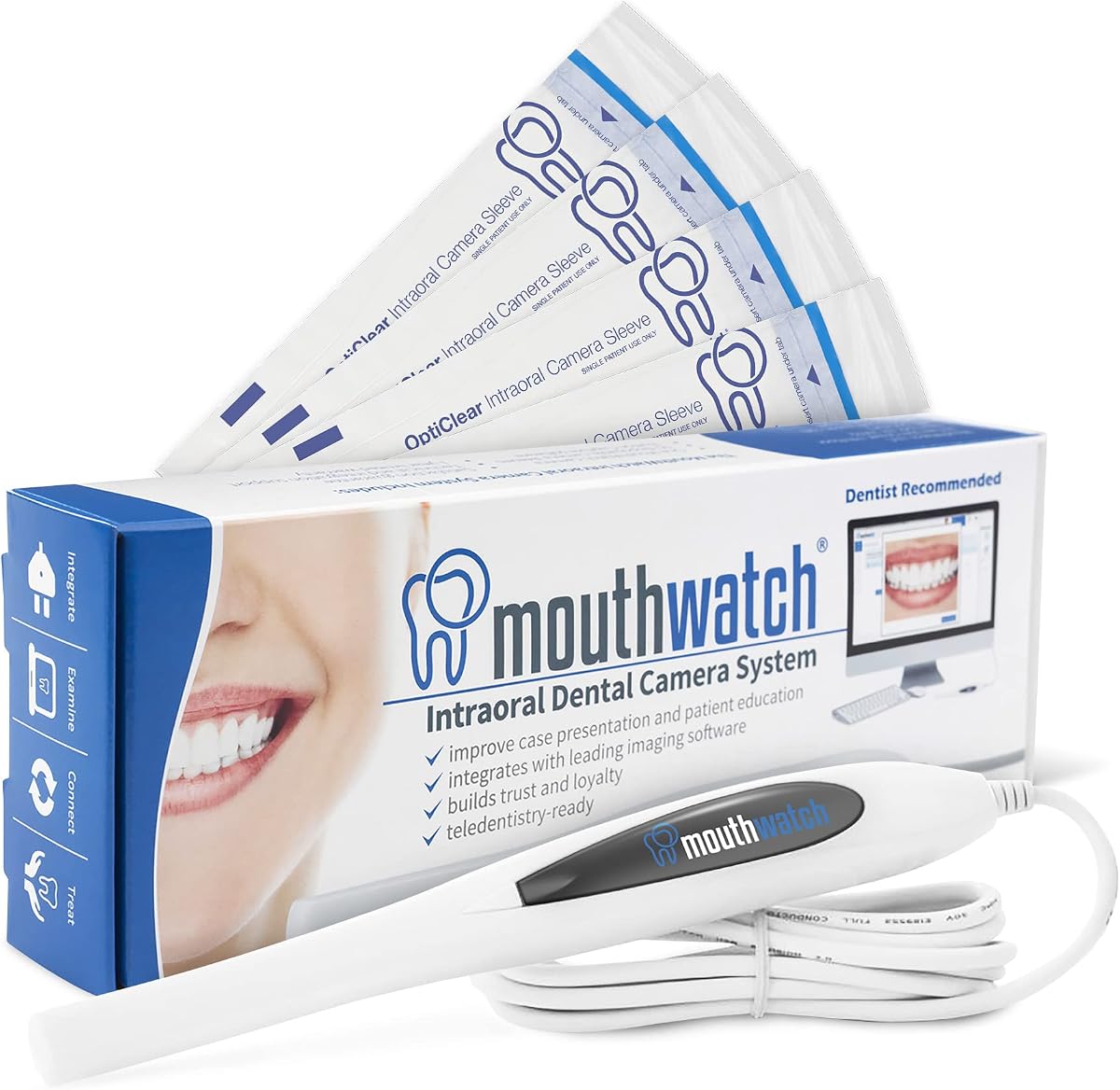
This intraoral camera stands out for its crystal clear image quality and simple single button operation. It holds a strong rating among dental professionals who prioritize efficiency and patient communication during consultations.
We may earn a commission when you buy through this link, at no additional cost to you.
The fixed focal distance eliminates autofocus hunting, ensuring sharp images every time without delay. Its lightweight ergonomic design reduces hand fatigue, while the wide software integration supports over fifty major imaging suites seamlessly.
While it lacks manual focus flexibility, the fixed distance simplifies workflow for routine documentation. The need for compatible software may require initial setup but ensures smooth chart integration once configured properly.
Ideal for clinics seeking reliable daily imaging with minimal training, this camera delivers consistent results. It remains a top recommendation for practices wanting clear visuals to improve case acceptance and patient trust.
Immediate image capture and saving to patient charts help explain treatment needs clearly without waiting.
Compatibility with major dental suites ensures your imaging workflow stays efficient and organized.
We may earn a commission when you buy through this link, at no additional cost to you.
This DSLR offers excellent image quality at an accessible price point, making it ideal for clinics needing versatile photography beyond standard intraoral shots. Its high resolution sensor captures fine details effectively.
We may earn a commission when you buy through this link, at no additional cost to you.
The optical viewfinder provides clear framing in varied lighting conditions, while Wi-Fi and NFC enable quick sharing of patient images. The kit lens covers common focal lengths needed for oral documentation.
Though bulkier than dedicated intraoral cameras, its flexibility allows for macro shots of procedures or lab cases. Manual adjustments may be needed for optimal lighting but yield professional results.
Best for practices seeking a cost-effective all-around camera, this model balances performance and ease of use. It serves well for documentation requiring higher detail than typical intraoral tools provide.
Beyond teeth, it captures procedures and lab work with high detail due to the large sensor.
Wireless features streamline sending photos to patients or labs without cables.
We may earn a commission when you buy through this link, at no additional cost to you.
This bundle provides everything needed to start taking high quality dental photos immediately. It includes memory, storage, and a carrying bag to streamline setup in a new clinic environment.
We may earn a commission when you buy through this link, at no additional cost to you.
The camera itself offers vibrant colors and sharp details thanks to its sensor and processor. Built in Wi-Fi makes transferring files to devices effortless for patient reviews or records.
While it requires more setup than intraoral cameras, the included accessories save time and cost. Manual adjustments ensure you get the best exposure for intraoral lighting challenges.
Perfect for clinics wanting a complete photography solution without hunting for extra gear, this bundle delivers value and flexibility. It supports both routine documentation and occasional detailed case imaging.
Included accessories mean you can begin shooting right away without extra purchases.
The sensor produces vivid images that highlight subtle tooth textures and treatments.
We may earn a commission when you buy through this link, at no additional cost to you.
This mirrorless model brings modern speed and flexibility to dental photography. Its advanced autofocus covers nearly the entire frame, ensuring precise focus on teeth even during movement or adjustments.
We may earn a commission when you buy through this link, at no additional cost to you.
The vari-angle touchscreen simplifies shooting from awkward angles inside the mouth. High quality video capabilities also support procedural documentation beyond static images for comprehensive case records.
Though powerful, its smaller battery may need frequent changes during long days. The learning curve is manageable for staff familiar with digital cameras, yielding sharp results quickly.
Best for clinics wanting video and stills with top-tier focus, this camera adapts well to evolving imaging needs. It balances portability with performance for detailed visual documentation.
Wide AF area locks onto teeth quickly without hunting in tight spaces.
Flip screen allows comfortable viewing when holding the camera low or high.
We may earn a commission when you buy through this link, at no additional cost to you.
Designed for creators, this camera offers a fast lens and sharp sensor that can capture detailed close-ups. Its product showcase mode shifts focus quickly to the nearest object, useful for highlighting specific areas.
We may earn a commission when you buy through this link, at no additional cost to you.
The compact build makes it easy to handle during procedures, while the directional mic supports video narration. Wi-Fi helps share files without cables for quick review or patient updates.
However, its lens range may not cover extreme close-ups without extensions. The cost is higher than entry-level DSLRs, though image quality justifies the expense for quality-focused clinics.
Suitable for practices needing high quality video and stills with portability, this camera excels in detailed work. It suits clinicians wanting a creator-grade tool adapted for dental use.
Showcase mode auto-focuses on the closest object, ideal for pointing out tooth details.
Lightweight body reduces strain during longer imaging sessions in clinic.
We may earn a commission when you buy through this link, at no additional cost to you.
This camera offers a high megapixel sensor and touch interface at an accessible price. Its dual lenses allow flexible angles, while the large screen simplifies framing shots in tight spaces.
We may earn a commission when you buy through this link, at no additional cost to you.
Wireless transfer via app makes sharing quick, and included batteries extend shoot time. The touch screen helps adjust settings easily without navigating complex menus during patient visits.
However, its digital zoom and limited software integration may restrict advanced clinical use. For basic documentation or educational content, it provides good value without complex setup needs.
Best for new clinics or training programs, this camera delivers solid imagery without major investment. It suits practices prioritizing ease of use and budget over deep software integration.
Intuitive touchscreen lets you frame and adjust settings quickly during procedures.
Multiple batteries ensure you capture multiple cases without recharging interruptions.
We may earn a commission when you buy through this link, at no additional cost to you.
This intraoral camera is designed to integrate with numerous dental imaging systems using a included capture button driver. Its anti-fog lens ensures clear views even in humid oral environments during use.
We may earn a commission when you buy through this link, at no additional cost to you.
Weighing just grams4 grams, it is easy to maneuver without causing hand strain. The USB connection simplifies setup, and automatic power-off conserves resources during inactive periods.
While video is basic, stills meet clinical documentation needs effectively. Some clinics may need to update drivers for newer software versions, but support is generally straightforward.
Ideal for budget-conscious practices needing reliable intraoral images with broad software support, this camera delivers consistent results. It remains a practical choice for routine patient documentation.
Prevents condensation to maintain visibility during prolonged intraoral imaging sessions.
Broad compatibility reduces friction when connecting to common dental practice software.
We may earn a commission when you buy through this link, at no additional cost to you.
This camera provides HD imaging with zoom for closer inspection of areas without moving the camera. The included capture button works across major dental imaging platforms, streamlining workflow in busy clinics.
We may earn a commission when you buy through this link, at no additional cost to you.
Users benefit from not needing an external pedal, saving space and setup time. The USB connection ensures quick plug-and-play use, and images are generally sharp for routine documentation.
While zoom is digital and low-light can be challenging, it suits standard daylight dental lighting well. Most software integrations proceed smoothly with the provided driver and instructions.
Best for clinics needing HD images and zoom in a compact unit, this camera balances affordability with functionality. It works well for patient communication and case tracking.
Four X zoom helps highlight small defects or restoration edges clearly in images.
No foot pedal simplifies setup and reduces clutter in the operator's area.
We may earn a commission when you buy through this link, at no additional cost to you.
This system integrates a large touchscreen computer with a slim intraoral camera for efficient workflow. It enables quick patient image transfer via QR code, removing cables and speeding up consultations.
We may earn a commission when you buy through this link, at no additional cost to you.
The high performance chip delivers smooth HD visuals that enhance patient understanding. The slim probe fits comfortably in the mouth, while split views allow easy before and after comparisons.
As a premium solution, it requires more space and initial investment. However, the integrated design reduces compatibility issues and provides a centralized point for imaging and storage.
Best for clinics wanting a comprehensive imaging hub with modern transfer methods, this system improves efficiency and patient engagement. It is ideal for practices focused on presentation and workflow.
Instantly send photos to patient devices without complex file setups or cables.
All-in-one design ensures smooth operation with minimal external hardware dependencies.
We may earn a commission when you buy through this link, at no additional cost to you.
This lighting aid improves image clarity by providing consistent illumination for oral photography. It fits most smartphones and dental cameras, allowing you to capture fine details that might be missed in ambient light.
We may earn a commission when you buy through this link, at no additional cost to you.
The adjustable brightness lets you control highlights on teeth for accurate color and texture representation. Its flexible design allows omni directional shooting, helping you find the best angle inside the mouth.
While it is not a camera itself, it enhances existing devices effectively. The portability and long LED life make it useful across multiple clinical and home use cases.
Best for enhancing any existing camera setup, this tool ensures professional looking images. It is an essential accessory for clinics aiming to improve photo quality without replacing main cameras.
Stable lighting reduces shadows and color distortion in intraoral photos.
Universal fit works with phones and cameras to upgrade image quality instantly.
We may earn a commission when you buy through this link, at no additional cost to you.
Selecting the right camera involves balancing image quality, software compatibility, ease of use, and budget. This guide covers key factors to consider before purchasing.
High resolution sensors capture fine details like cracks or surface textures which are essential for accurate diagnosis and patient education. Look for cameras with at least 12 megapixels for DSLRs or specialized intraoral sensors that optimize sharpness for small areas. Clear imagery reduces retakes and improves workflow.
Prioritize cameras that deliver sharp, well-lit photos without excessive noise, especially in lower light conditions inside the oral cavity.
Most dental practices rely on specific imaging suites like Dentrix or Eaglesoft to store and manage patient records. Ensure the camera supports your existing software through drivers or direct integration to avoid duplicate data entry. Compatibility reduces friction and saves staff time during patient visits.
Check the manufacturer's supported software list and confirm it includes your practice management system before purchasing.
Dental imaging happens in tight spaces, so a lightweight, ergonomic handheld unit reduces hand fatigue during long days. Features like single button capture help clinicians focus on the patient rather than camera settings. A comfortable grip also improves stability for sharper images.
Choose a model that feels balanced and intuitive to operate without needing complex menus or adjustments during procedures.
Wireless options like Wi-Fi and Bluetooth simplify sharing images with patients or labs without cables. USB connections remain reliable for direct transfers and updates. Some systems even offer QR code transfers for instant sharing. Consider which method aligns with your workflow needs.
Favor cameras with multiple connectivity options to adapt to different situations and ensure fast, reliable file movement.
Dental work requires close-up details so fixed focus ranges or macro lenses that optimize near-field shots are critical. DSLRs need macro lenses for best results while intraoral cameras often come with optimized focal distances. Ensure the tool can capture details without blur or distortion.
Verify the focal range matches your common use cases to avoid soft or unusable images during documentation.
Clinic environments demand tools that withstand daily use and occasional moisture. Cameras with anti-fog lenses and sturdy builds reduce maintenance downtime. Look for models with replaceable parts or strong support policies to protect your investment over time.
Choose systems built to handle clinic conditions with features that prevent issues like fogging or breakage.
Even the best camera struggles without proper illumination. Ensure the camera works with ring lights or fiber optic lights to eliminate shadows on teeth. Some bundles include lighting accessories which can save cost and ensure matched performance.
Assess whether the camera supports external lighting tools to achieve consistent, shadow-free results for all shots.
Look beyond the sticker price to include necessary accessories like memory cards, stands, or software licenses. Some systems are affordable upfront but require costly add-ons while others bundle essentials. Calculate the full setup cost to avoid surprises after purchase.
Factor in all required components to get a realistic view of the investment needed for full operational capability.
Before each session, ensure the camera is charged and connected to your imaging software. Clean the lens and any protective sheaths according to manufacturer guidelines to prevent smudges or contamination. Verify settings like exposure or zoom are adjusted for your room lighting.
Position the camera steadily to avoid motion blur, using a tripod or support when possible for macro shots. Keep the focal range consistent to maintain uniform image sizes across patient records. Use the capture button or remote to trigger the shot without moving the camera.
After use, store the camera in its protective case to prevent damage during transport. Update firmware periodically for improvements and bug fixes. Regularly clean ports and cables to maintain reliable connections and extend device lifespan.
The best option depends on your needs and budget. Dedicated intraoral cameras are ideal for focused dental imaging due to their ergonomics and software integration. DSLRs and mirrorless cameras offer versatility for broader clinical documentation. Choose based on workflow and required image detail.
Most major intraoral cameras support common imaging suites, but you should check the manufacturer's compatibility list before buying. Some require specific drivers or capture buttons to function correctly with your system. Verify support for your practice management software to ensure smooth operation.
Yes, DSLRs with macro lenses produce high detail images suitable for clinical documentation. They require manual setup and lighting adjustments to perform well intraorally. They are versatile options for clinics needing broader photography capabilities beyond routine intraoral shots.
Resolution matters for capturing fine details like cracks or restoration edges. Aim for at least 12 megapixels for DSLRs or specialized intraoral sensors that optimize sharpness for small areas. Higher resolution supports clearer patient communication and more precise documentation without sacrificing quality.
Ring lights or fiber optic lights are ideal because they reduce shadows on teeth and gums. They work with both intraoral and external cameras. Consistent lighting ensures accurate color and detail representation across different clinical settings and procedures.
Wireless dental cameras are reliable for transferring images quickly to patient devices or practice systems. They reduce clutter but should have backup wired options for stability. Ensure your network supports the camera for seamless transfers during consultations and documentation.
In summary, top picks like the Crystal Clear Intraoral Camera offer dedicated performance with wide software support, while DSLRs like the Rebel T7 provide versatility for varied imaging needs. The UNK Kime-X8S Elite stands out for clinics wanting an integrated system with modern transfer features.
Prioritize cameras that fit your workflow and integrate smoothly with existing software. Consider ergonomics and ease of use to reduce staff training time and ensure consistent image quality during daily patient interactions and documentation tasks.
Remember to check current availability and pricing before deciding as offerings may change. Verify your software compatibility and required accessories to ensure a smooth transition to reliable, clear imaging that supports better patient care and communication.