
Radial Mix 2:1 2-channel Passive Mixer
4.8Editor score
2-channel Passive Mono Summing
2 Inputs 1 Mono Output
Robust Metal Construction
This guide compares the top ten analog summing mixers for studios and live sound, evaluating channel counts, sound quality, and connectivity options.
Analog summing mixers bring warmth and depth to digital recordings by combining multiple tracks through hardware circuits. They are essential for producers seeking a classic console sound without the cost of a full analog board. These devices enhance stereo imaging and add harmonic richness to your mixes effectively.
We evaluated ten top models based on channel capacity, sound quality, build durability, and connectivity features. Our analysis focuses on how each unit handles signal flow and integrates into modern hybrid studio setups. This list covers everything from compact passive units to full-featured mixing consoles.
Each pick highlights specific strengths like transformer-balanced paths or flexible routing options for various workflows. Readers will find detailed insights into pros, cons, and ideal use cases for every product. Note that pricing and availability may fluctuate over time due to market conditions.
4.8Editor score

5.0Editor score
The following table provides a side-by-side overview of key specifications and features across all ten selected analog summing mixers. It helps you quickly identify which model matches your specific channel needs and studio requirements.




The Solid State Logic BiG SiX stands out as the top choice for hybrid studios needing both analog warmth and digital convenience. Its SuperAnalogue circuitry delivers rich, detailed audio that rivals larger consoles. With a perfect rating, it is widely praised for its versatility and sound integrity.
We may earn a commission when you buy through this link, at no additional cost to you.
Key strengths include its 18-input summing capability and built-in 16-channel USB interface. This eliminates the need for external converters while maintaining SSL quality. The stereo master bus compressor adds glue to mixes, and the listening compressor on talkback offers creative control. Each channel features 3-band EQ and dynamics processing, making it a true mixing console.
While the price is significant, the value lies in its all-in-one design. It replaces multiple pieces of gear, saving space and cost over time. The large footprint requires a dedicated rack or desk space, which might be challenging for small home studios. However, the sound quality justifies the investment for serious producers.
This unit is ideal for professionals who demand console-grade sound in a compact format. It suits hybrid workflows where analog summing and digital recording happen simultaneously. If you prioritize audio fidelity and flexibility, the BiG SiX is the definitive recommendation for your studio setup.
SSL's proprietary SuperAnalogue technology ensures low noise and wide dynamic range for pristine audio capture and mixing.
The 16-channel USB connectivity allows direct recording to a computer without additional hardware, streamlining your production workflow.
We may earn a commission when you buy through this link, at no additional cost to you.
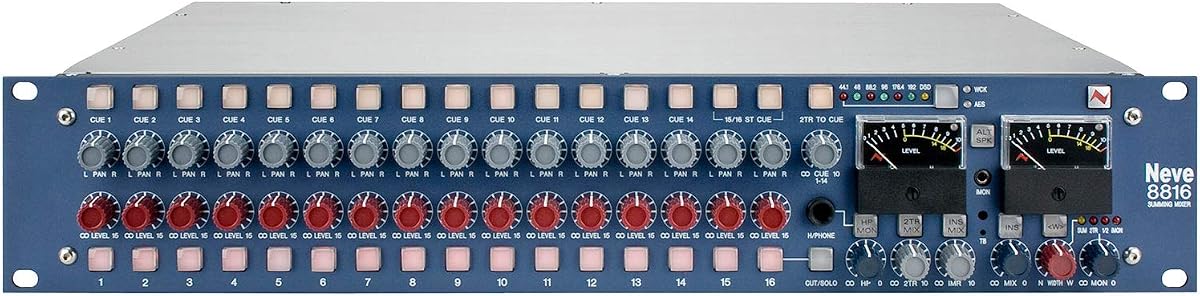
The Neve 8816 Summing Mixer is a legendary unit known for imparting a warm, musical character to digital mixes. Its transformer-balanced architecture is the hallmark of classic British console sound. While ratings are not listed, its reputation in professional studios is unmatched for high-end production work.
We may earn a commission when you buy through this link, at no additional cost to you.
This mixer provides a full 16-channel summing capability with a dedicated monitoring section. The main and alternate speaker outputs allow flexible monitoring setups. Dual headphone outputs support collaborative work sessions. The build quality is robust, ensuring reliability in demanding studio environments over many years.
The primary trade-off is the cost and physical size. It is a significant investment that may not fit smaller budgets or limited spaces. However, for those seeking authentic analog saturation and glue, it delivers results that plugins cannot replicate. The sound quality is the primary justification for its premium price.
Professional engineers and serious producers will appreciate the Neve 8816 for its sonic integrity. It is best suited for studios where analog summing is a core part of the mix process. If you need top-tier sound and have the budget, this unit is a definitive choice for your signal chain.
Input and output transformers provide harmonic saturation and signal isolation, creating the signature thick Neve sound.
Multiple speaker outputs and headphone jacks enable versatile monitoring configurations for different mixing scenarios.
We may earn a commission when you buy through this link, at no additional cost to you.
The Radial Mix 2:1 is an excellent entry-level option for those wanting basic analog summing without complexity. With a high rating of 4.8, users appreciate its straightforward functionality and build quality. It is a passive mono mixer that combines two inputs into one output effectively.
We may earn a commission when you buy through this link, at no additional cost to you.
Its key strength lies in its simplicity and durability. Being passive, it requires no power source, reducing points of failure. The robust metal construction ensures it withstands travel and daily use. This makes it ideal for gigging musicians or small home studios needing a reliable signal combiner.
The limitation is the two-channel capacity and lack of gain control. It is not suitable for complex mixes requiring multiple tracks. However, for blending specific signals like two microphones or a mic and instrument, it performs flawlessly. The trade-off is acceptable given the low cost and reliability.
This mixer is perfect for users on a tight budget or those needing a simple summing solution. It suits small setups where advanced features are unnecessary. If you need a dependable passive combiner for basic tasks, the Radial Mix 2:1 is the top recommendation for affordability.
As a passive unit, it avoids active circuitry noise and requires no external power, ensuring long-term reliability.
Its small size fits easily into any rack or desk, making it ideal for mobile or limited-space setups.
We may earn a commission when you buy through this link, at no additional cost to you.
The Rupert Neve Designs 5059 Satellite Summing Mixer brings the Shelford sound to hybrid setups. It offers 16 x 2+2 analog summing capabilities in a compact form factor. While ratings are not listed, its pedigree ensures high expectations for sound quality and performance in professional environments.
We may earn a commission when you buy through this link, at no additional cost to you.
This unit focuses on the summing process itself without extra routing complexity. The Shelford Edition badge indicates it carries the sonic signature of the Shelford range. Transformer outputs provide the warm tone Neve is known for. Its compact design allows integration into racks where space is limited.
The lack of a dedicated monitoring section means it relies on external monitoring solutions. This simplifies the signal path but reduces workflow convenience for some users. The price reflects the quality of components and engineering. It is a specialized tool for those prioritizing tone over convenience.
Ideal for producers who want Neve warmth without a full console, this mixer is a strong choice. It suits hybrid studios needing to sum tracks before the DAW. If you value sonic quality and have monitoring handled elsewhere, the 5059 delivers premium results effectively.
The Shelford Edition tuning ensures a rich, musical sound that complements modern digital recordings perfectly.
Output transformers add the classic Neve coloration and impedance matching for better interfacing with other gear.
We may earn a commission when you buy through this link, at no additional cost to you.
The Mackie Onyx Series 16-Channel mixer is a versatile workstation for home studios needing recording and mixing in one box. With a rating of 4.4, it is praised for its preamps and connectivity. It functions as a full analog mixer with multi-track USB recording capabilities for complete production.
We may earn a commission when you buy through this link, at no additional cost to you.
Its strengths include award-winning Onyx mic preamps and direct SD card recording options. Bluetooth streaming allows easy playback from mobile devices. The digital effect engine is user-customizable for creative flexibility. This makes it a standalone hub for recording, mixing, and playback without a computer.
While not a dedicated summing box, it sums tracks internally. The complexity might overwhelm users needing simple summing. However, the value as an all-in-one tool is high. The slight learning curve is acceptable given the feature set and recording options available for small studios.
Best for home producers needing a complete solution, this mixer covers most needs. It suits projects requiring live tracking and mixing simultaneously. If you want flexibility and recording power in one chassis, the Mackie Onyx Series is a recommended all-around choice.
These preamps provide high gain and low noise, ensuring pristine capture of vocals and instruments in any setting.
Multi-track USB and SD card recording options give you flexibility to record on a computer or standalone.
We may earn a commission when you buy through this link, at no additional cost to you.
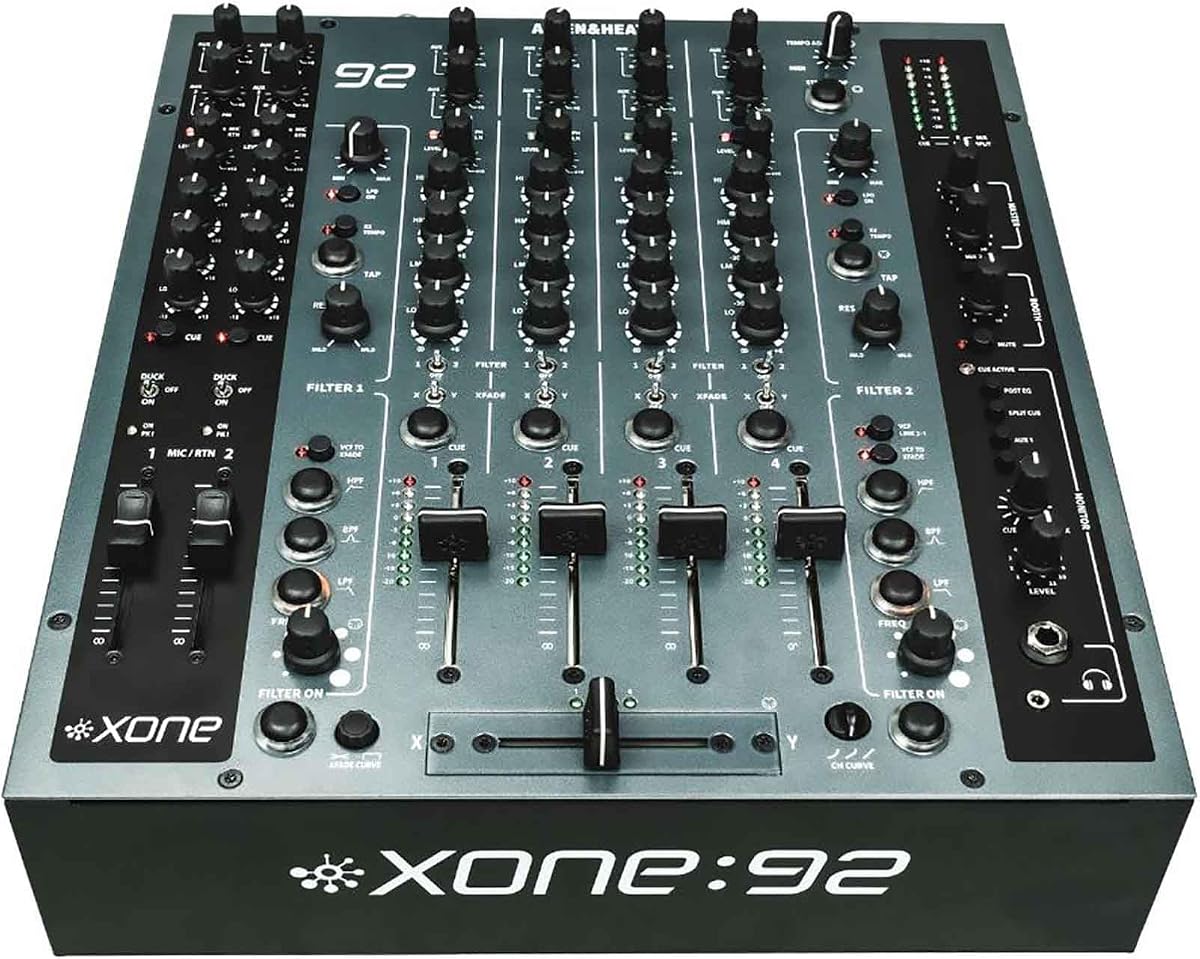
The Allen & Heath Xone:92 Mk2 is a premium analog DJ mixer known for its sound quality. While primarily for DJs, it serves well for summing audio signals in hybrid setups. Ratings are not listed, but its reputation for analog fidelity is strong among audio professionals.
We may earn a commission when you buy through this link, at no additional cost to you.
It features a sophisticated XONE:VCF switching system with multimode filters. This allows creative shaping of frequencies beyond standard EQ. The analog signal path ensures warmth and depth. With robust connectivity and durable construction, it handles live and studio environments equally well.
Designed for DJing, it has specific layouts not ideal for general studio work. The price is high for a 4-channel mixer. However, the filter quality and analog path justify it for niche uses. If you need advanced filtering and warmth, this unit excels in specific contexts.
Ideal for DJs and sound designers needing analog filters, this mixer is top-tier. It suits setups requiring creative frequency manipulation during mixing. If you value analog character and advanced control, the Xone:92 Mk2 is a premium choice for audio shaping.
This switching system offers multiple filter modes for precise sound sculpting and creative effects in real time.
The fully analog circuit design maintains signal integrity and warmth essential for professional audio output.
We may earn a commission when you buy through this link, at no additional cost to you.
The Allen & Heath Xone:43 delivers a perfect 5.0 rating for reliability and sound. It is a 4+1 channel analog mixer with VCF filters for sound shaping. While DJ-centric, its analog summing capabilities suit hybrid studios needing a compact unit for mixing and effects.
We may earn a commission when you buy through this link, at no additional cost to you.
Its strengths include a high-quality VCF system and integrated send/return for external FX. Dedicated booth and record outputs simplify monitoring and mastering. The Innofader compatibility adds flexibility for performance. The build is robust, ensuring longevity in professional settings.
As a DJ mixer, channel count is limited for studio tasks. It may lack features found in recording consoles. However, for summing a few tracks with creative filtering, it excels. The perfect rating suggests users find it reliable and sound excellent in practice.
Best for DJs or producers needing analog filters and simplicity, this mixer is excellent. It suits setups where external FX and sound shaping are key. If you need a reliable analog mixer with a perfect track record, the Xone:43 is a strong recommendation.
The integrated VCF system provides high-pass and low-pass filtering options essential for dynamic sound control.
Individual dry/wet controls allow easy integration of external effects units into the mix signal path.
We may earn a commission when you buy through this link, at no additional cost to you.
The Mackie 1202VLZ4 achieves a 4.9 rating for quality and sound. It is a 12-channel mixer with Onyx mic preamps known for low noise. While not a summing box, it provides clean analog mixing suitable for small studios needing summing and routing in one unit.
We may earn a commission when you buy through this link, at no additional cost to you.
Its strengths include ultra-wide gain range and exceptional dynamic range. The 3-band EQ and low-cut filters provide precise control. With multiple aux sends and routing options, it is versatile for live and studio work. The compact size makes it easy to fit into any setup.
It requires power and lacks the simplicity of passive summing. Channel count might limit larger setups. However, for small productions, the clarity and features are balanced. The high rating confirms its reliability and performance across many applications.
Best for small studios needing a reliable mixer, this unit fits well. It suits recording and live sound where analog warmth is desired. If you need a compact, high-quality mixer with proven performance, the 1202VLZ4 is a highly recommended choice.
Legendary Onyx preamps offer 60dB of gain with incredibly low noise for capturing clean audio sources.
A remarkable dynamic range of 128.5dB ensures high-fidelity audio with minimal distortion even at high levels.
We may earn a commission when you buy through this link, at no additional cost to you.
The Yamaha MG10 is a reliable 10-channel standalone mixer with a 4.7 rating. It features studio-grade D-PRE preamps for natural bass and smooth highs. While basic, it offers summing capabilities for those starting out or needing a simple analog mixer for small projects.
We may earn a commission when you buy through this link, at no additional cost to you.
Its strengths include high-quality preamps and 1-knob compressors for easy control. The rugged metal chassis ensures durability in any environment. With a 3-band EQ and high-pass filters, it provides necessary tools for a clean mix. It is affordable yet performs above its price bracket.
It lacks USB connectivity for digital recording. Channel count limits larger setups. However, for simple live sound or studio monitoring, it works well. The high rating confirms user satisfaction with its build quality and sound clarity for entry-level needs.
Best for beginners or small venues, this mixer offers great value. It suits those needing reliable analog mixing without complex features. If you need a durable, simple mixer for basic tasks, the Yamaha MG10 is a recommended entry-level choice.
Class-A D-PRE preamps use inverted Darlington circuits to produce fat bass and smooth highs naturally.
Each channel features a 1-knob compressor to control dynamics quickly without complex parameter adjustments.
We may earn a commission when you buy through this link, at no additional cost to you.
The Headliner R4 achieves a 4.8 rating for its classic analog rotary design. It offers 4-channel summing with built-in filters for sound shaping. While primarily for DJing, its rotary faders provide smooth analog control suitable for mixing audio tracks in specialized setups.
We may earn a commission when you buy through this link, at no additional cost to you.
Its strengths include genuine ALPS potentiometers and robust metal enclosure. The high pass and low pass filters offer precise frequency control. Stained wood side panels give it a premium aesthetic. With independent master and booth outputs, connectivity is flexible for various sound systems.
It lacks standard studio routing options like send/return. Designed for DJs, it may not fit traditional workflows. However, for those valuing rotary knobs and analog feel, it excels. The rating suggests users appreciate the control and sound quality it offers.
Best for DJs and sound lovers preferring rotary controls, this mixer is unique. It suits setups where tactile control and sound character are prioritized. If you want analog warmth and classic style, the Headliner R4 is a distinctive choice for audio work.
Genuine ALPS pots ensure smooth, precise rotation and long-lasting performance during daily use.
Built-in high and low pass filters with frequency and resonance controls allow precise sound shaping.
We may earn a commission when you buy through this link, at no additional cost to you.
Choosing the right analog summing mixer depends on your specific workflow, channel needs, and sound goals. Consider these factors to find a unit that integrates seamlessly into your studio.
Evaluate how many tracks you need to sum simultaneously. Larger projects require 16 channels or more, while simple blends might need only 2 to 4. Ensure the unit supports your current workflow.
Choose a mixer with enough channels to accommodate your typical session size without routing bottlenecks.
Decide between transformer-balanced designs for warmth and passive circuits for simplicity. Active mixers offer gain control but may introduce noise if low quality.
Prioritize transformer or high-quality active circuits for the best analog coloration and signal integrity.
Look for robust metal enclosures and high-quality connectors like XLR to ensure durability. This protects the unit from physical damage and signal loss over time.
Select a mixer with solid construction to withstand daily use in professional environments.
Check inputs and outputs match your existing gear. XLR inputs are preferred for microphones while RCA may suit consumer devices.
Ensure the mixer offers balanced outputs to maintain signal quality over long cable runs.
Dedicated monitor sections with alternate speaker outputs facilitate accurate mixing. Without this, you may need external monitoring controllers.
Choose a unit with integrated monitoring controls for streamlined workflow and better mix accuracy.
Determine a budget that balances cost with features. High-end units offer better sound but may not be necessary for casual producers.
Invest in the best quality you can afford that meets your essential workflow needs.
Consider if you need USB or digital features. Pure analog units simplify the signal path while hybrids offer convenience.
Select a model that complements your digital setup without adding unnecessary complexity.
Connect your tracks via balanced cables to avoid noise and interference. Route outputs carefully to match your monitoring system or recorder inputs.
Set input levels to avoid clipping. Use gain knobs to balance signals before summing for the best dynamic range.
Dust the unit regularly and avoid exposure to moisture or extreme temperatures. Keep cables organized to prevent strain on connectors.
Analog summing mixers provide harmonic saturation and wider stereo imaging that software cannot replicate. They add depth and warmth to mixes by processing signals in parallel hardware circuits.
For most projects, 16 channels are sufficient to sum tracks grouped by instrument. Smaller units work for simple mixes but may require multiple passes for complex sessions.
A full console offers more routing and EQ per channel. Use a summing box if you want simple track combining without extensive mixing features.
Passive mixers lack gain control and may attenuate signal. They work well for basic sums but active units suit larger setups needing level adjustment.
Use balanced XLR or TRS cables to minimize noise and interference. Ensure all inputs and outputs match the connector types on your gear.
Active units need power via AC or phantom. Passive mixers run without power but lack gain controls. Check product specs for power requirements.
Route your DAW tracks to the mixer inputs and back to the interface outputs. This allows mixing and summing while maintaining digital editing capabilities.
The Solid State Logic BiG SiX leads this list with comprehensive features and sonic excellence. The Neve 8816 remains a top choice for premium warmth and channel depth.
Prioritize units that match your channel needs and workflow. Simple passives like Radial work for basics while active consoles like SSL offer full control.
Always check current availability and features before purchasing to ensure the unit fits your studio requirements effectively.