
M350 AUPHY Mechanical Metronome
4.4Editor score
High-strength PC body material
Metal clockwork and POM gears
Lowered center of gravity
This guide compares the top ten mechanical metronome for piano models for 2026, analyzing precision, durability, and features to help you choose the perfect
Finding the right rhythm tool is essential for every pianist aiming for precision and timing. A mechanical metronome for piano offers a reliable, battery-free way to keep tempo steady during practice sessions. This guide explores the best options available.
We evaluated ten top-rated mechanical metronomes based on build quality, sound clarity, and ease of use. Each product was assessed for its ability to maintain accurate beats across various tempos and musical styles. The comparison includes diverse designs for all needs.
Each pick highlights unique strengths like wood finishes or transparent cases and precise metal movements. Prices and availability may change over time, so check current listings before purchasing. These selections represent the finest choices for musicians today.
4.4Editor score

4.5Editor score

4.6Editor score
The following table provides a side-by-side comparison of all ten products. It highlights key specifications and features to help you make an informed decision based on your specific practice needs.



The Tempi Metronome stands out as an elegant choice for pianists who value aesthetics as much as function. With a 4.5 rating and a classic brown grain veneer, it fits beautifully into any home decor. Its steel gears ensure precise timing over years of practice.
We may earn a commission when you buy through this link, at no additional cost to you.
This model offers an average 20-minute wind, allowing for extended sessions without interruption. The optional bell feature helps emphasize specific beats, which is vital for complex rhythms. It is versatile enough for guitar, violin, and piano practice alike.
While the price is higher than some competitors, the build quality justifies the cost for serious musicians. The cleaning cloth bonus is a thoughtful addition that keeps the device looking new. Some users might prefer heavier metal bodies over plastic.
Ideal for adults and kids seeking a reliable tool with a sophisticated look, this metronome helps develop accurate timing. It is perfect for those who want a device that looks like a piece of art while delivering professional performance.
The brown grain veneer provides a classy look that complements any music room. It is not just a tool but a decor item.
The 20-minute wind capability ensures you won't miss a beat during long practice sessions. It reduces frustration and keeps focus on music.
We may earn a commission when you buy through this link, at no additional cost to you.
The M350 AUPHY Mechanical Metronome offers excellent value for beginners and those on a budget. It features a sturdy PC body and metal gears that ensure reliable performance. The accent bell allows for clear beat emphasis during practice.
We may earn a commission when you buy through this link, at no additional cost to you.
Its design includes a transparent dust cover that protects the internal mechanism while keeping the look clean. The lowered center of gravity keeps the device stable on piano keys. This makes it ideal for daily use without slipping.
While the body is plastic, the metal gears inside provide durability that rivals more expensive models. The error rate is controlled within 1 percent, ensuring accuracy. It may lack the premium look of wood finishes.
This metronome is perfect for students and professionals who want reliable performance without spending too much. It works well for piano, drums, and violin. Choose this for pure functionality and affordability.
The lowered center of gravity keeps the metronome steady on your piano. This stability is key for maintaining consistent timing.
With a low price, it delivers high precision. This makes it accessible for anyone looking to improve their rhythm skills.
We may earn a commission when you buy through this link, at no additional cost to you.
The Wittner 836 Taktell Piccolo is a premium choice for pianists who prefer a minimalist approach. With a 4.6 rating, it is known for its reliability and compact design. The black finish fits seamlessly into any music setup.
We may earn a commission when you buy through this link, at no additional cost to you.
Its plastic casing is durable yet lightweight, making it easy to transport to lessons. The lack of a bell means you get a pure ticking sound without extra noise. This is excellent for focused practice.
While it lacks a bell feature, this simplicity allows for uninterrupted concentration on rhythm. The brand reputation ensures long-term satisfaction. The price reflects its premium status and quality control.
Ideal for advanced musicians who want a no-nonsense tool, this metronome delivers consistent beats. It is great for exams or quiet practice. Choose it for its precision and simplicity.
Without a bell, the sound is clear and focused. This helps you hear the exact timing without extra noise.
Its small size makes it easy to carry. Perfect for lessons or travel where space is limited.
We may earn a commission when you buy through this link, at no additional cost to you.
The Ueteto Mechanical Metronome Black delivers a loud click that cuts through piano dynamics. It requires no battery and offers a wind duration of at least 18 minutes. This makes it practical for long practice sessions.
We may earn a commission when you buy through this link, at no additional cost to you.
Its design is simple and easy for children to handle. The audible click and bell ring help maintain rhythm while reading music. It is applicable for piano, guitar, and other instruments.
The loud sound ensures you never lose track of time, even in noisy environments. The wind-up mechanism is reliable. However, the visual design is very basic compared to others.
This is a great choice for beginners and families who need a robust tool. It is easy to set up and use. Choose this for its clear sound and ease of use.
The loud click is loud enough to be heard over a piano. This ensures you stay on track during practice.
With up to 18 minutes of play, you get more practice time. It reduces the need for frequent winding.
We may earn a commission when you buy through this link, at no additional cost to you.
This Mechanical Metronome with Wood Grain finish offers a classic look for music rooms. The metal movement ensures that the beats remain precise and stable over time. It is designed for beginners to establish a strong sense of rhythm.
We may earn a commission when you buy through this link, at no additional cost to you.
It provides a loud sound and high precision, which is vital for accurate practice. The 40-208 BPM range meets all musical requirements. It is a versatile tool for piano, guitar, and violin.
While the wood is likely a finish, it adds a touch of elegance to the practice area. The metal parts ensure it lasts longer than plastic ones. It is a solid choice for daily use.
Ideal for those who want a traditional look with modern precision, this metronome is reliable. It helps you master beat and tempo. Choose this for its aesthetics and performance.
The wood grain finish looks traditional and professional. It fits well in any home studio setup.
The metal movement ensures long lasting accuracy. This means fewer errors in your timing over time.
We may earn a commission when you buy through this link, at no additional cost to you.
This Mechanical Metronome for Piano is designed to help beginners subconsciously establish the beat. The loud sound and high precision make it effective for practice. It has a metal movement that ensures it does not rust.
We may earn a commission when you buy through this link, at no additional cost to you.
The transparent cover keeps the internal parts safe while allowing you to see the gears. The error is controlled within 1 percent for accurate beats. It fits all musical instruments perfectly.
It is simple to operate and requires no batteries. The wind time varies from 15 to 45 minutes. While the design is simple, it gets the job done effectively.
This is a great choice for students needing a reliable tool. It helps increase musical awareness. Choose this for its simplicity and precision.
The pendulum moves visibly to help kids understand rhythm. This visual aid is great for teaching.
The metal movement prevents corrosion. This ensures the metronome stays accurate for years.
We may earn a commission when you buy through this link, at no additional cost to you.
The Universal Metronome offers multiple colors to suit individual style preferences. It uses a mix of high hardness plastic and metal for precise rhythm. The heavy bell sound is loud and clear for all instruments.
We may earn a commission when you buy through this link, at no additional cost to you.
With a high rating of 4.6, it is a trusted option. The adjustable tempo range covers 40 to 208 BPM. It is suitable for piano, violin, guitar, and drums.
It includes a 30-day unconditional return policy for peace of mind. The heavy bell helps keep a clear tempo. The materials ensure it is durable for regular use.
This is a great choice for those who want to match their music room. It is easy to use for beginners. Choose this for its variety and reliability.
Multiple colors allow you to pick a favorite. This makes the tool more personal and enjoyable.
The 30-day returns and 1-year warranty offer security. You can try it with confidence.
We may earn a commission when you buy through this link, at no additional cost to you.
This Ueteto Mechanical Metronome offers a long wind time of up to 54 minutes at 40 BPM. The tick is loud and crisp, cutting through practice noise. The wood grain style adds a touch of style.
We may earn a commission when you buy through this link, at no additional cost to you.
The wind key control helps you avoid overwinding. A full wind at high tempos is shorter, but still decent. It does not require any batteries for operation.
The clear audible click helps you focus on notes. The resistance feedback prevents spring damage. It is a versatile companion for many instruments.
Ideal for long practice sessions at slower tempos, this is a solid choice. It combines utility with style. Choose this for its wind duration.
At 40 BPM, you get over an hour of play. This is great for slow practice.
The resistance feedback prevents overwinding. This protects the mainspring from damage.
We may earn a commission when you buy through this link, at no additional cost to you.
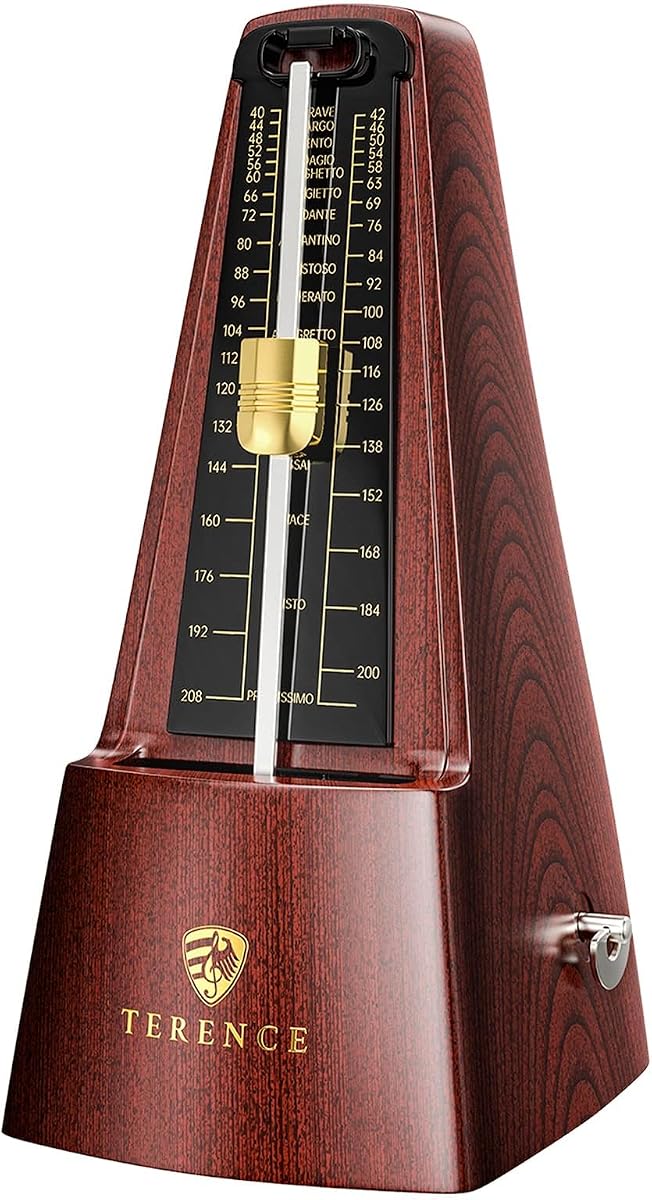
The TERENCE Mechanical Metronome features a unique transparent design that lets you see the internal gears. It uses an all-metal mechanical movement for clear sound. The copper metal pendulum adjusts beat speed precisely.
We may earn a commission when you buy through this link, at no additional cost to you.
ABS material keeps it bright and resistant to yellowing. The metal bell ensures loud sound for practice. It is suitable for piano, violin, and guitar.
While it has a lower rating, the transparent look is appealing to students. The metal parts ensure durability. It is a great gift for beginners.
Ideal for visual learners, this metronome is both a tool and a display piece. Choose this for its unique transparent design and clarity.
The transparent body lets you watch the mechanism. This is fascinating for students learning mechanics.
The ABS material resists yellowing over time. This keeps it looking new for years.
We may earn a commission when you buy through this link, at no additional cost to you.
This Mechanical Metronome is designed for loud sound to ensure clear beats. It features engraved markings for easy reading. The premium materials ensure long-lasting durability for years.
We may earn a commission when you buy through this link, at no additional cost to you.
It is a high-efficiency tool for mastering rhythm. The user-friendly design allows new learners to get started quickly. It meets daily practice demands for advanced musicians too.
While the rating is lower, it remains a solid tool. The loud sound helps you stay focused. It is suitable for many instruments.
Ideal for those needing a clear audible guide, this is a reliable tool. Choose this for its efficiency and loud sound.
The loud sound ensures you never miss a beat. This helps you stay in rhythm.
Clear markings make it easy to set tempo. This is helpful for quick adjustments.
We may earn a commission when you buy through this link, at no additional cost to you.
Choosing the best mechanical metronome for piano requires understanding specific factors. This guide outlines key elements to consider for a lasting and effective tool.
The build material affects durability and sound quality. Metal movements ensure precise timing without errors. Look for metal gears inside plastic bodies for longevity.
Metal internal parts prevent rust and corrosion, ensuring consistent performance.
Sound loudness is critical for pianists playing dynamic pieces. A loud tick cuts through instrument noise. Ensure the metronome has a strong acoustic output.
Higher sound volume keeps you focused even in loud environments.
A standard tempo range of 40 to 208 BPM suits most music. Check that the model covers your specific needs. This allows flexibility for slow and fast songs.
The 40-208 BPM range is the industry standard for practice.
Beat selection options help define time signatures. Look for bells on 2, 3, 4, or 6 beats. This helps you feel the downbeat clearly.
Optional bells aid in mastering complex rhythms effectively.
Wind up time determines how long the device runs. Longer wind times mean fewer interruptions during practice. Some models offer up to 50 minutes at slower tempos.
Extended wind times allow for uninterrupted practice sessions.
Ease of use is vital for beginners and children. Simple wind keys and clear pendulum scales help. Look for models with clear instructions and easy setup.
Simple controls make practice accessible for all ages.
Design aesthetics impact how the device fits your space. Wood grain or transparent looks add style. Choose a look that inspires you to practice.
Attractive designs encourage regular use of the metronome.
Warranty and support protect your purchase. Look for at least a one-year warranty. Good customer service ensures help if issues arise.
Strong warranties provide peace of mind for your investment.
To use a mechanical metronome, place it on a flat surface. Pull out the brake and remove the dust cover. Wind the key clockwise until you feel resistance.
Move the pendulum weight to set your tempo. Select your beat mode by adjusting the bell slider. Flick the pendulum to start it ticking.
Clean the cover regularly to prevent dust buildup. Store it in a cool dry place. Avoid overwinding the spring to extend its life.
A mechanical metronome uses a clockwork mechanism powered by a wound spring. As the spring unwinds, it drives a pendulum that swings back and forth. A gear system adjusts the speed, creating a steady beat without batteries.
Mechanical metronomes provide a visual cue with the swinging pendulum. They do not require batteries and often offer a more traditional feel. Many musicians prefer the tactile experience of winding the device.
Mechanical metronomes are designed to be loud enough to hear over instruments. Some models have accent bells that emphasize specific beats. The sound is acoustic, so it does not depend on electronic amplification.
No, mechanical metronomes do not need batteries. They rely on a wound spring for power. This means you never have to worry about changing batteries during practice.
One wind usually lasts between 15 to 50 minutes depending on the tempo. Slower tempos use less energy, so the wind time is longer. Faster tempos consume the wind more quickly.
Yes, many mechanical metronomes are designed for children. They feature simple controls and visual pendulums. The loud sound helps young learners keep track of the beat easily.
Absolutely, mechanical metronomes work for all instruments. They are great for guitar, violin, drums, and more. The tempo range suits most musical genres and styles.
If the pendulum sticks, check for dust or debris. Gently shake the device to clear any obstructions. Ensure it is on a flat surface so it does not tilt.
This guide reviewed ten excellent mechanical metronomes for piano. Each offers unique features like wind duration, sound loudness, and design. The Tempi, M350, and Wittner top the list for quality.
Prioritize metal internal movements and loud sound for the best results. Consider your budget and style preferences. A good metronome builds a strong rhythm foundation.
Remember that prices and availability change often. Check current listings for the best deals. Choose a model that fits your practice needs today.