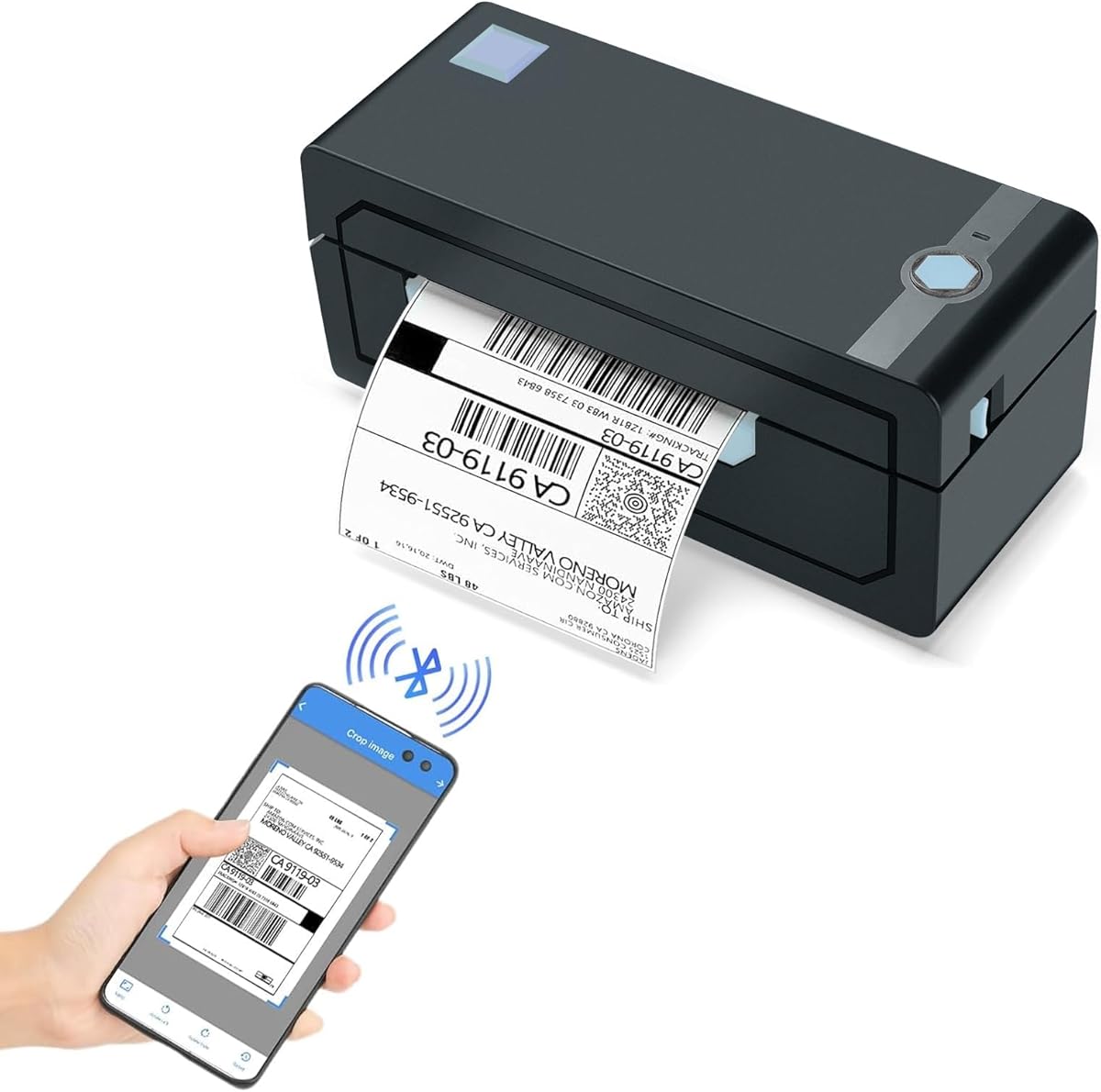
JADENS Bluetooth
4.4Editor score
Affordable pricing point
Wireless Bluetooth capability
Standard 203 DPI quality
Finding a reliable label printer for Linux can be challenging since many manufacturers focus on Windows and macOS. Linux users need devices with open drivers or robust community support to ensure seamless integration with their systems.
We evaluated ten top-rated thermal and label printers based on their Linux compatibility, print quality, and overall value. Our analysis includes direct comparisons of connectivity options, supported label sizes, and software ecosystems.
Each pick highlights key specifications, pros, and cons to help you make an informed decision. Prices and availability fluctuate frequently, so verify current details before purchasing to ensure the best deal.
4.4Editor score

4.0Editor score
4.6Editor score
As an Amazon Associate we earn from qualifying purchases.
Here is a side-by-side comparison of all ten selected label printers. This table highlights key specifications to help you quickly identify the best fit for your specific Linux environment and shipping needs.


The iDPRT SP310 stands out as the top choice for Linux users due to its dedicated driver support. It delivers clear, high-speed printing ideal for shipping and inventory management tasks.
We may earn a commission when you buy through this link, at no additional cost to you.
Its speed of up to 80 sheets of 2×3 labels per minute ensures efficient workflow. The unlocked system allows use of third-party label brands to reduce ongoing costs.
While it supports narrower labels compared to shipping printers, it excels at address and barcode tasks. The calibration system ensures precise alignment for professional results.
Ideal for small businesses needing reliable Linux integration, this printer balances cost and performance well. It is a strong recommendation for those prioritizing open system compatibility.
The unlocked system bypasses proprietary microchips, allowing you to use affordable third-party labels without restrictions.
Delivering 4 inches per second, this printer handles intensive tasks faster than many competitors in its price range.
We may earn a commission when you buy through this link, at no additional cost to you.
The JADENS Bluetooth Thermal Printer offers excellent value for budget-conscious buyers. While Linux users should connect via USB, the printer provides reliable performance for shipping tasks.
We may earn a commission when you buy through this link, at no additional cost to you.
Its compatibility with major shipping platforms like ShipStation and eBay makes it a versatile tool. The 203 DPI print head ensures clear, scannable labels for your customers.
Wireless printing requires using the Jadens App, which may not be ideal for all Linux desktop setups. However, USB connectivity remains stable for direct printing tasks.
For those seeking an affordable entry into thermal printing, this model is highly recommended. It delivers solid performance without breaking the bank.
At a lower price point, this printer provides essential thermal features without sacrificing quality for small businesses.
Compatible with Endicia, ShipStation, and more, it integrates seamlessly into your existing e-commerce workflows.
We may earn a commission when you buy through this link, at no additional cost to you.
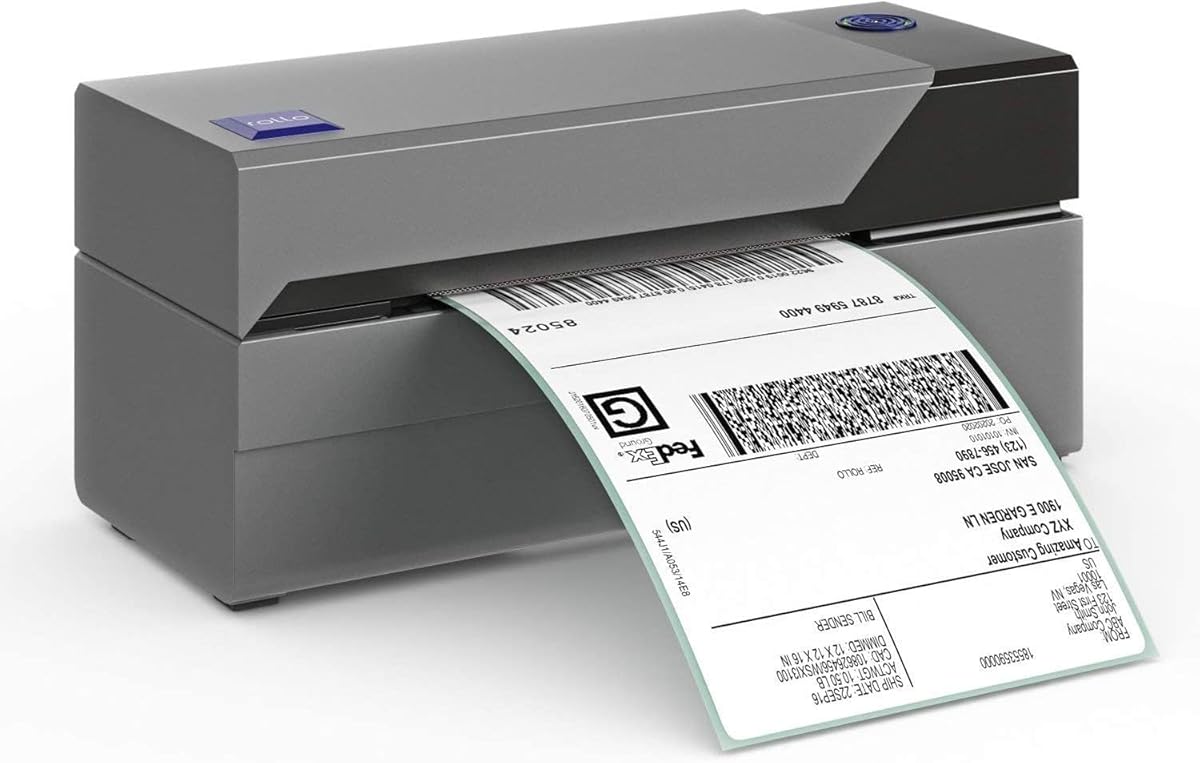
The Rollo USB Printer is built for heavy-duty use, making it a premium choice for growing businesses. Its robust construction ensures longevity even under frequent printing demands.
We may earn a commission when you buy through this link, at no additional cost to you.
Printing at 150mm per second, it handles high volumes efficiently. The Rollo Ship app provides a cost-saving way to access exclusive shipping rates without extra platforms.
While it lacks Bluetooth, the USB connection is rock-solid for office environments. The high resolution ensures all shipping details and barcodes are clear and readable.
Investing in Rollo means paying for quality and speed. It is best suited for users who need a reliable, high-performance thermal printer daily.
The complimentary Rollo Ship app simplifies package mailing with streamlined rates and platform connections.
Built to withstand daily use, this commercial grade printer offers reliability that budget models often lack.
We may earn a commission when you buy through this link, at no additional cost to you.
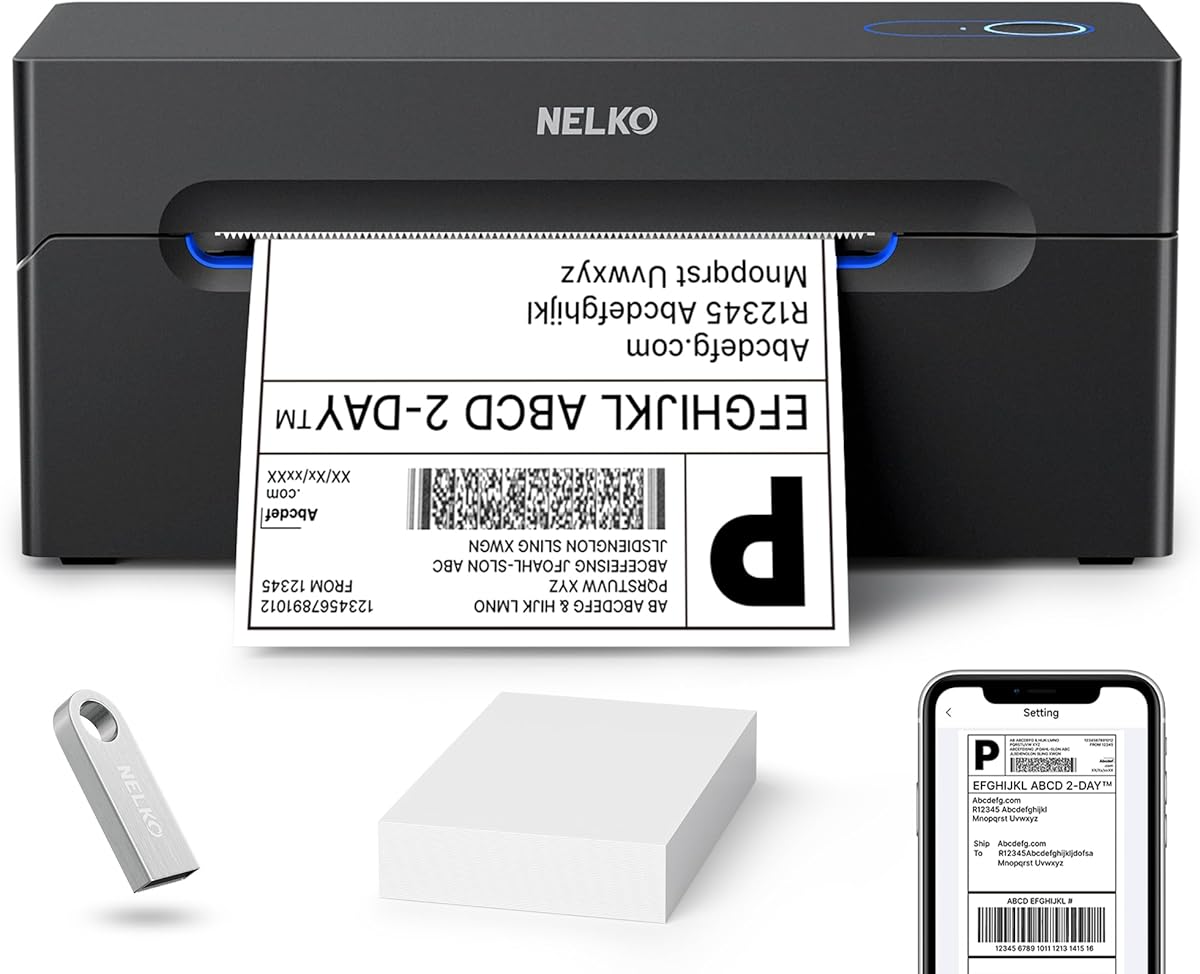
The Nelko PL70E offers a compact solution for shipping labels. It supports both fanfold and roll labels, giving users flexibility in label usage.
We may earn a commission when you buy through this link, at no additional cost to you.
Its speed matches the Rollo, printing up to 72 sheets of 4×6 labels per minute. This efficiency helps keep your shipping process moving quickly.
While the app is necessary for Bluetooth, USB connection on Linux remains straightforward. The compact size saves valuable desk space in small offices.
For those who need speed without a large footprint, Nelko is a strong contender. It balances functionality with ease of use.
Its smaller footprint makes it suitable for cramped workspaces without sacrificing performance.
Supporting fanfold labels allows for continuous printing setups ideal for high-volume tasks.
We may earn a commission when you buy through this link, at no additional cost to you.
The Brother P-touch CUBE Plus is perfect for creative labeling tasks. It uses Bluetooth to connect to devices, allowing you to design labels directly from your phone or desktop.
We may earn a commission when you buy through this link, at no additional cost to you.
With three different software apps, users can choose the right tool for their needs. The pre-designed templates help create professional labels quickly.
Its portability makes it great for on-the-go labeling. However, the 1-inch width limits its use to small labels rather than shipping.
If you need a versatile tool for home or office organization, this printer excels. It offers convenience without compromising on design options.
Choose from multiple Brother apps to find the interface that suits your design style best.
The built-in battery allows you to print labels anywhere without being tethered to a power outlet.
We may earn a commission when you buy through this link, at no additional cost to you.
The Brother QL-700 is designed for speed, printing up to 93 labels per minute. This makes it ideal for offices needing to process many labels quickly.
We may earn a commission when you buy through this link, at no additional cost to you.
Its drop-in roll design simplifies maintenance. The automatic cutter ensures precise cuts for single or multiple labels, saving manual effort.
While fast, the proprietary tapes can be costly over time. This is a consideration for high-volume users looking to minimize costs.
For professional settings where speed is priority, this printer delivers. It offers reliability and performance for daily office tasks.
With nearly 100 labels per minute, this printer handles volume without slowing down your workflow.
The built-in auto cutter cuts labels precisely, reducing the need for manual trimming.
We may earn a commission when you buy through this link, at no additional cost to you.
The Brother QL-570 offers high resolution printing at 300 x 600 dpi. This ensures sharp and detailed text and imagery for professional labels.
We may earn a commission when you buy through this link, at no additional cost to you.
It includes P-Touch software for customization, allowing you to create tailored labels. The two-year limited warranty adds peace of mind for business users.
While slightly slower than the 700 model, it excels in quality. This makes it suitable for labels requiring high visual fidelity.
For tasks where appearance matters as much as speed, this model is ideal. It balances quality and reliability for professional applications.
With 300 x 600 dpi, text and barcodes print with exceptional clarity and detail.
Included software allows you to design custom labels that match your brand or needs.
We may earn a commission when you buy through this link, at no additional cost to you.
The SUPVAN T50M Pro is designed for home and small business organization. It supports square and round labels, making it versatile for jars, bins, and more.
We may earn a commission when you buy through this link, at no additional cost to you.
Its free app offers robust editing features with no registration. You can easily add images and choose from over 30 fonts.
The Bluetooth connection simplifies printing from mobile devices. It is perfect for quick labeling tasks without a computer.
For creative organization needs, this printer offers great value. It combines ease of use with versatile label options.
The app is completely free and features auto label size recognition for effortless setup.
Supporting square and round labels, it fits a variety of containers and products.
We may earn a commission when you buy through this link, at no additional cost to you.
The ETIKEZ Bluetooth Thermal Printer is lightweight and easy to fit into small spaces. It supports various label sizes from 1.57 to 4.1 inches.
We may earn a commission when you buy through this link, at no additional cost to you.
The Labelnize app simplifies printing by scanning PDFs from platforms. This workflow ensures accuracy and reduces manual formatting issues.
While primarily designed for mobile use, USB connection on computers is supported. It is ideal for small businesses needing efficiency.
For portable and efficient shipping label needs, this model is practical. It combines convenience with solid printing quality.
Its small footprint allows it to fit into even the most limited workspace corners.
Compatible with major carriers like USPS and UPS, it handles diverse shipping needs.
We may earn a commission when you buy through this link, at no additional cost to you.
The Brother P-Touch PT-D610BT is a professional tool for asset management. It stores frequently used labels in built-in memory for quick reprinting.
We may earn a commission when you buy through this link, at no additional cost to you.
The visual preview display ensures accuracy before printing. This reduces waste and maintains a professional appearance for your labels.
With 175 pre-loaded templates, creating labels for inventory is fast. The QWERTY keyboard streamlines the input process efficiently.
For business environments needing organized labeling, this model is ideal. It combines features that boost productivity and reduce errors.
A large color LCD display allows you to check labels before printing, ensuring accuracy.
Access 175 business-specific templates to streamline asset management and inventory tracking.
We may earn a commission when you buy through this link, at no additional cost to you.
Selecting a label printer for Linux requires attention to driver support and connectivity. Here are key factors to consider for a seamless experience.
Check if the manufacturer provides dedicated Linux drivers or if the printer uses standard CUPS drivers. Some devices rely on proprietary apps that may not run on Linux.
Prioritize brands like iDPRT or models compatible with open-source printing systems.
USB is the most reliable connection for Linux systems. Bluetooth often requires specific apps that may not support Linux fully.
Choose a printer with stable USB connectivity for consistent performance.
Ensure the printer supports the width you need. Shipping printers handle 4×6, while smaller makers go up to 1 inch.
Match the printer to your primary label types to avoid restrictions.
Higher DPI ensures clear barcodes and text. Most thermal printers offer 203 DPI, which is standard for shipping.
For detailed logos, look for models supporting higher resolution.
Speed impacts workflow efficiency. Look for models printing at least 4 inches per second for high volume.
Fast printers reduce wait times and improve productivity.
Some printers lock you into proprietary labels. Open systems allow third-party labels, saving long-term costs.
Choose unlocked models to reduce ongoing expenses.
Check compatibility with your shipping platforms like ShipStation or eBay. Seamless integration reduces manual data entry.
Software should support your workflow to maximize efficiency.
Commercial grade printers withstand daily use better. Plastic housings may not endure heavy volumes.
Invest in durable hardware for long-term reliability.
Connect the printer via USB and install the provided Linux drivers. Ensure your system recognizes the device through CUPS settings.
Load the correct label size and use the calibration button to adjust sensors. This prevents skewed prints.
Clean the print head with a soft cloth to remove residue. Proper care extends the printer's lifespan.
Yes, many thermal printers work on Ubuntu via USB. Check for available Linux drivers or use CUPS to manage the device directly.
Bluetooth support varies. Most apps require Windows or macOS, so USB is recommended for Linux users for reliability.
Some printers support third-party labels, while others require proprietary chips. Look for unlocked models to save costs.
203 DPI is the standard for shipping labels, ensuring barcodes are clear and scannable for logistics.
No, thermal printers use heat to print on special paper, eliminating the need for ink or toner cartridges.
Press and hold the feed button until the light flashes. This allows the printer to detect label gaps accurately.
The iDPRT SP310 leads with its Linux driver support. It balances speed and flexibility for small businesses.
For those prioritizing durability, the Rollo USB offers premium build quality. Consider your specific workflow needs when deciding.
Always verify current prices and compatibility before purchase. Linux support can change with driver updates.