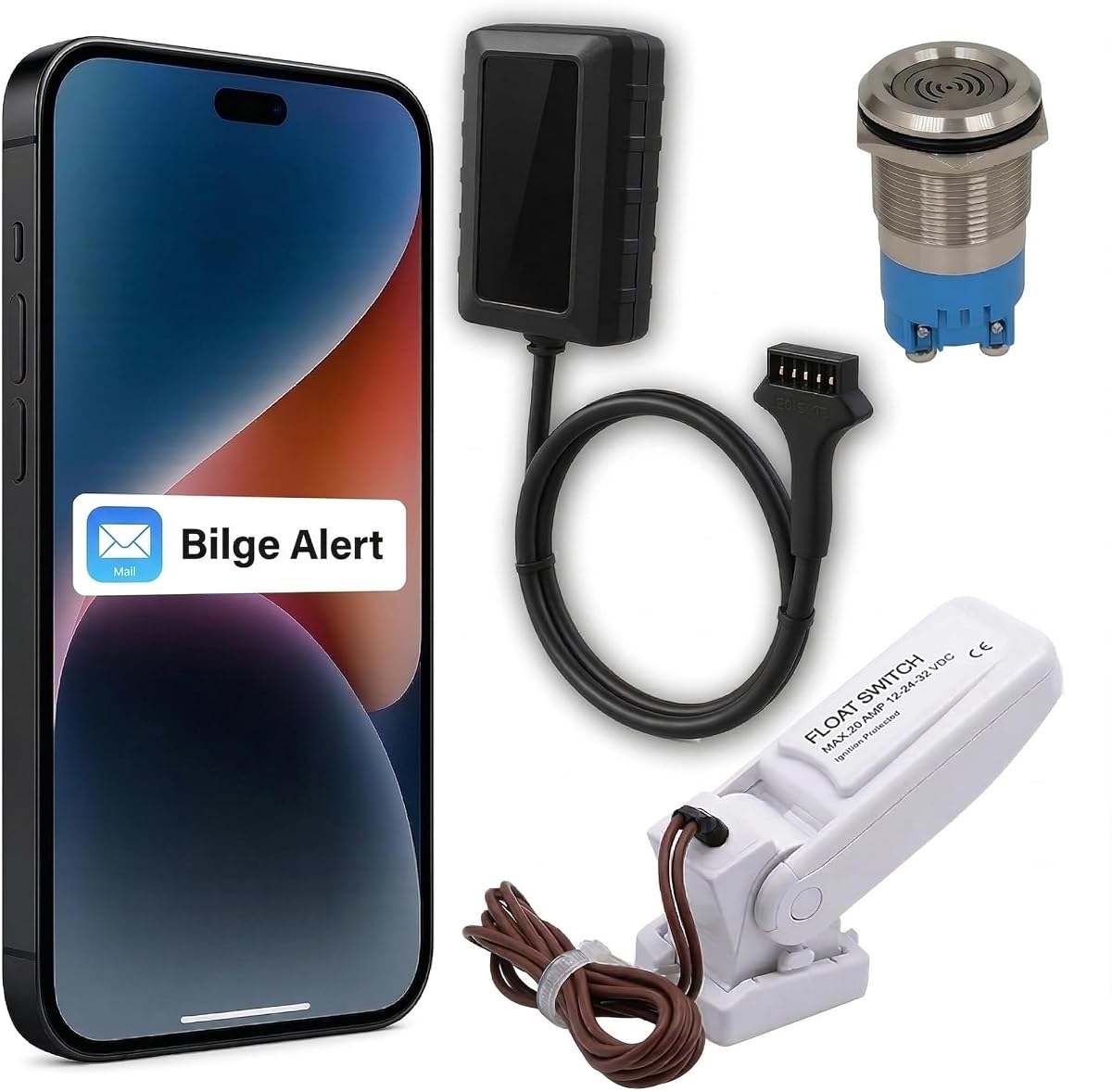
SPY SPOT GV57 Boat GPS Tracker & Bilge Alarm System
5.0Editor score
Low power consumption
Float switch included
IP67 waterproof
This guide compares top alarm systems for boats including monitoring hubs and security bars to help you protect your vessel from theft and damage effectively.
Protecting your vessel requires reliable alarm systems for boats that detect intrusion and monitor critical systems like bilge water levels to prevent costly damage.
We evaluated ten leading products based on sensor accuracy, connectivity options, ease of installation, and overall durability in harsh marine environments.
Each pick shows unique strengths whether you need simple theft deterrents or full remote monitoring hubs to keep your boat secure day and night.
5.0Editor score

4.8Editor score

4.5Editor score
Here is a detailed side-by-side comparison of all ten top-rated alarm systems for boats to help you find the perfect match for your vessel type.



This hub leads the category with LTE technology and full sensor integration for complete vessel oversight without complex wiring requirements.
We may earn a commission when you buy through this link, at no additional cost to you.
It provides real-time alerts for bilge levels entry high water and GPS tracking while being designed for insurance ready compliance.
The rugged marine grade build withstands harsh conditions though the cost is higher than basic standalone alarms.
Buy this if you need professional grade security with minimal setup and reliable connectivity for your boat.
Monitor every critical aspect from engine status to security using integrated sensors that send data directly to your phone.
Access all monitoring features through an intuitive app interface that simplifies tracking location and system health.
We may earn a commission when you buy through this link, at no additional cost to you.
This budget friendly bundle offers essential GPS tracking and automatic bilge water detection to keep your boat safe during storage.
We may earn a commission when you buy through this link, at no additional cost to you.
It consumes minimal power ensuring long standby periods while providing instant alerts when movement or water levels are detected.
Professional installation is recommended for proper sealing but the value and performance are unmatched in this price range.
Ideal for recreational boat owners who need basic security without investing in expensive monitoring hubs.
The included float switch immediately triggers an alarm when water rises preventing flooding damage while you are away.
Receive alerts whenever your boat crosses a defined boundary helping you track unauthorized movement at any marina.
We may earn a commission when you buy through this link, at no additional cost to you.
This premium gateway allows completely wireless installation with self-powered operation making it perfect for boats where drilling is difficult.
We may earn a commission when you buy through this link, at no additional cost to you.
It connects seamlessly to a full suite of sensors providing total vessel health monitoring without draining the onboard battery.
Installation takes minutes thanks to AA battery power though you must commit to the Oversea ecosystem for full benefits.
Choose this for a future-proof solution that offers maximum flexibility and reliability for high-end vessels.
Mount the hub instantly with included hardware avoiding permanent modifications that may affect resale value or aesthetics.
Replaceable AA batteries run for years ensuring monitoring continues even if your boat battery is disconnected or dead.
We may earn a commission when you buy through this link, at no additional cost to you.
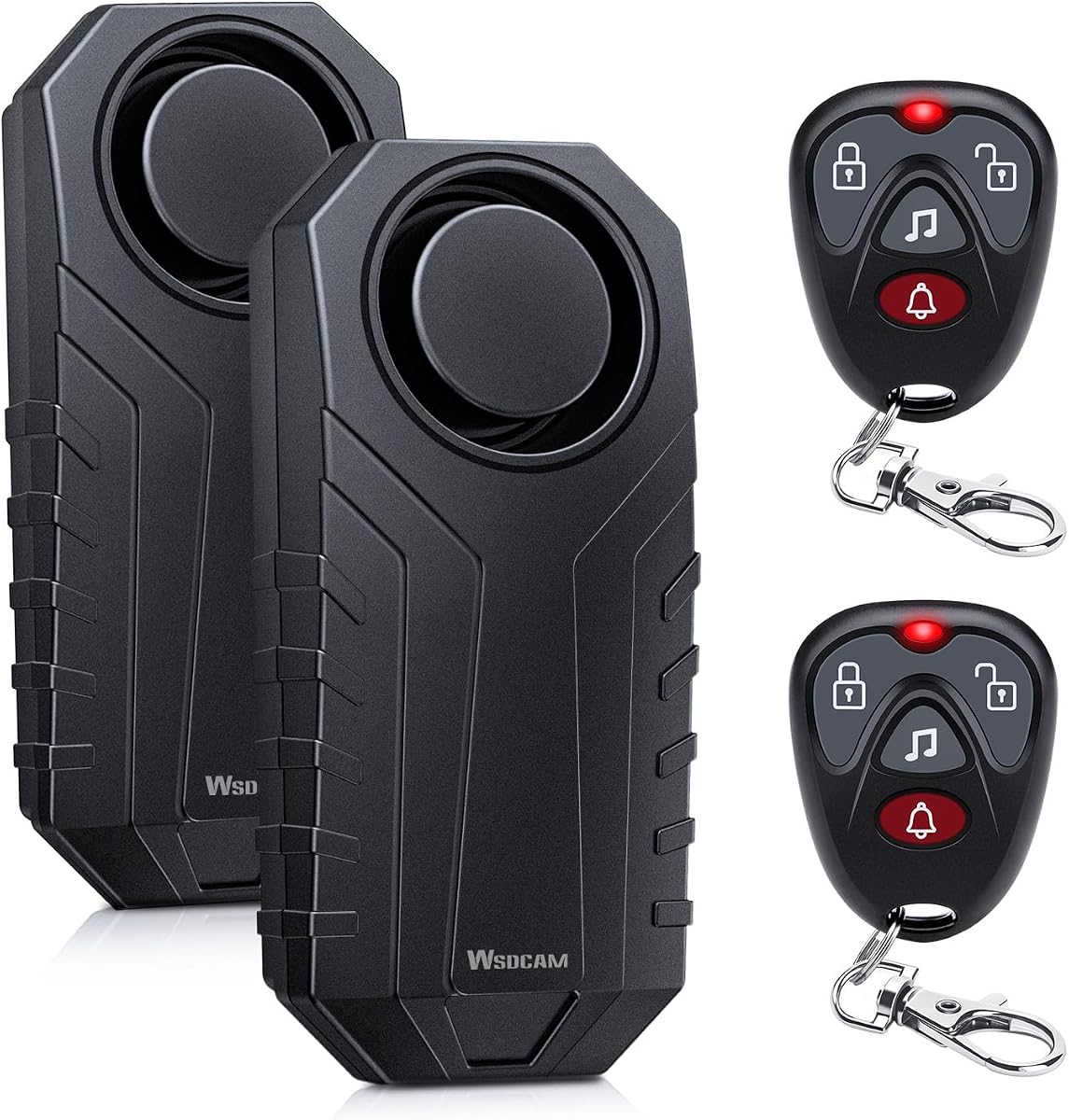
While designed for bikes this vibration alarm is versatile enough to secure deck lockers or gear boxes on smaller boats effectively.
We may earn a commission when you buy through this link, at no additional cost to you.
Its 113 decibel alarm scares off thieves quickly and the adjustable sensitivity prevents false triggers from waves or wind.
The waterproof rating ensures outdoor durability though lack of GPS tracking limits long distance monitoring capabilities.
Best for anglers wanting a cheap loud deterrent for specific lockers rather than full vessel monitoring.
The 113 decibel siren is loud enough to be heard over engine noise and wind noise effectively deterring intruders.
Press the remote button to trigger a panic mode that sends help signals if you are in trouble on the water.
We may earn a commission when you buy through this link, at no additional cost to you.
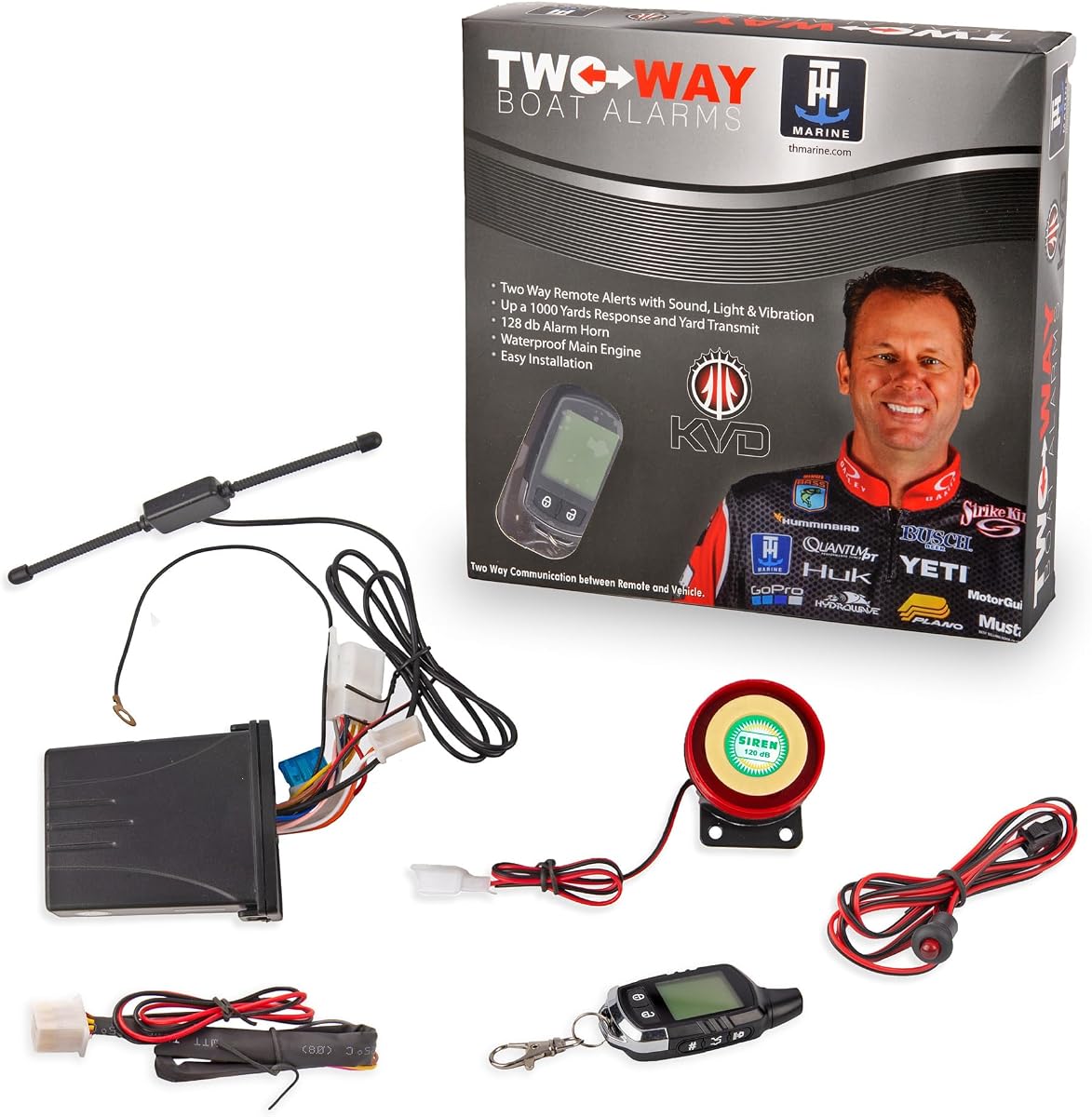
This system offers a long range two-way remote that vibrates and beeps to alert you of impacts even from hundreds of yards away.
We may earn a commission when you buy through this link, at no additional cost to you.
The 128 decibel horn provides immediate auditory deterrence while the shock sensor helps detect unauthorized boarding attempts.
Users report variable experiences with connectivity stability which is why this option scores lower than top rated hubs.
Consider this if you need a dedicated shock alarm and prefer a simple remote solution over phone apps.
The remote confirms alarm triggers instantly with vibration and visual cues so you never miss an alert signal.
Fine-tune the shock sensor to ignore light waves but still trigger on significant impacts from climbing or tampering.
We may earn a commission when you buy through this link, at no additional cost to you.
This system excels at bilge monitoring allowing you to control pumps and run health tests remotely via smartphone app.
We may earn a commission when you buy through this link, at no additional cost to you.
It integrates GPS and voltage monitoring while sending instant notifications to keep your boat safe from flooding issues.
While strong on bilge health it focuses less on perimeter security alarms compared to other dedicated systems.
Perfect for owners concerned about flooding and battery maintenance who want remote access to critical systems.
Activate your bilge pump directly from your phone to clear water buildup even when you are miles away from the boat.
Schedule automatic health checks on switches and pumps to ensure they will work when you truly need them most.
We may earn a commission when you buy through this link, at no additional cost to you.
This security bar connects multiple deck lockers together while an integrated alarm padlock deters thieves from trying to open them.
We may earn a commission when you buy through this link, at no additional cost to you.
It provides a physical barrier that is difficult to cut and adds audible noise without requiring any electrical wiring.
While effective for small compartments it does not cover the full hull so best used as an additional layer.
Ideal for anglers leaving boats at ramps or marinas who need quick secure locking for rod lockers and gear.
The adjustable bar spans across different hatches preventing thieves from opening just one locker to access expensive gear.
An integrated motion sensor triggers a loud sound if someone tries to move the bar or open it without authorization.
We may earn a commission when you buy through this link, at no additional cost to you.
This compact sensor detects people moving on deck or inside cabins and sends alerts within seconds of detecting motion.
We may earn a commission when you buy through this link, at no additional cost to you.
It is fully self-powered with a five year battery life and uses long range RF for reliable communication without Wi-Fi.
The sensor only works within the Oversea ecosystem so you must have the hub to use it effectively.
Great for adding detailed interior and exterior motion monitoring to an existing hub system.
Up to sixteen feet of detection coverage secures salons walkways and cabins against unauthorized entry or movement.
Mount anywhere using screws magnets or Velcro tape thanks to its lightweight compact design and marine grade build.
We may earn a commission when you buy through this link, at no additional cost to you.
This professional annunciator alerts the crew of engine and gear problems via a remote panel suitable for pilot houses.
We may earn a commission when you buy through this link, at no additional cost to you.
It uses a flange mount for secure installation and supports ten different remote alarm points for comprehensive system alerts.
Installation requires electrical wiring by a technician which adds cost but ensures reliable performance in critical situations.
Best for serious boat owners who want centralized monitoring of engine and power plants rather than theft alarms.
Send warning signals to a remote panel in the cabin so you know about engine issues without being near the motor.
Monitor up to ten distinct systems from bilge to power plants using one centralized alarm panel setup.
We may earn a commission when you buy through this link, at no additional cost to you.
This remote annunciator provides ten alert points for monitoring engine and gear systems in marine environments efficiently.
We may earn a commission when you buy through this link, at no additional cost to you.
It is less mount meaning no flange bracket is included allowing custom mounting options to fit tight spaces.
Installation requires professional wiring skills which ensures safety but may add to the overall project cost.
Choose this for reliable remote alarm notification when you want flexibility in how you mount the unit.
Without a fixed bracket you can mount the unit wherever space allows using your own preferred method.
Get immediate feedback on engine and gear problems through remote alerts to prevent serious mechanical damage.
We may earn a commission when you buy through this link, at no additional cost to you.
Selecting the right alarm system requires understanding your specific needs for theft prevention versus system health monitoring.
Decide between cellular LTE hubs and simple wireless sensors based on whether you need remote phone alerts or local alarms.
For full remote access choose a hub with built-in cellular connectivity to avoid relying on boat WiFi.
Identify which areas need monitoring such as bilge water levels engine compartments or entry points to select appropriate sensors.
Ensure the system supports enough inputs to cover all critical zones without needing extra adapters.
Evaluate if the system runs on the boat battery or self powered batteries to avoid draining power when docked.
Self-powered options are ideal for long term storage when shore power is not available or needed.
Look for IP67 or higher ratings to ensure electronics can withstand salt spray rain and occasional submersion.
Without adequate waterproofing sensors will corrode quickly in harsh marine environments leading to system failure.
Consider whether you want a DIY wireless setup or are comfortable with professional wiring for hardwired units.
Wireless hubs reduce installation time and cost by eliminating the need to drill and run cables around the boat.
Check what kind of alerts are supported like push notifications SMS emails or physical sirens for different emergency types.
Multiple alert channels ensure you receive warnings even if one communication channel fails during an emergency.
Choose systems that connect to existing marine electronics or GPS networks for unified monitoring and reduced clutter.
Compatibility with existing NMEA or boat systems saves money by avoiding redundant displays or wiring setups.
Factor in ongoing subscription fees for cellular data alongside the initial purchase price for accurate budgeting.
Some hubs include initial service periods while others require monthly plans so calculate total cost of ownership.
Install the hub in a dry protected area away from direct spray and ensure all sensors are placed securely where they can detect intrusion.
Regularly test the system by triggering a motion alarm to verify alerts reach your phone and batteries remain charged.
Clean sensor lenses and connections with fresh water after saltwater exposure to prevent corrosion and ensure consistent performance.
Many modern systems use self-powered hubs and wireless sensors to avoid draining your boat battery. However some hardwired units may draw power so choose a low power option for long storage.
Some systems offer basic sirens or remote beepers that work without a phone. However full features like GPS tracking require a mobile app or web interface to view alerts.
Yes reputable boat alarms carry IP67 or IP68 ratings making them waterproof against rain and immersion. Always check the rating before installing any component near water.
Wireless sensors typically run for two to five years on standard AA batteries depending on how often they detect motion. Check status indicators regularly to know when to replace power.
Quality systems have adjustable sensitivity to ignore wave motion while detecting actual intrusion. Calibrate the shock sensors after installation to prevent false alarms during windy days.
Wireless hubs are designed for DIY installation with simple tools. Hardwired systems may require a marine technician to ensure proper electrical safety and waterproof sealing.
The top picks offer reliable monitoring and deterrence whether you need LTE tracking simple shock sensors or full engine alerts.
Prioritize systems with waterproof ratings and self-powered operation to ensure safety during storms or long docking periods.
Always check current availability and subscription costs before buying to ensure the system meets your long-term budget and needs.